Why Venezuela’s Oil Comeback Could Disrupt Global Energy Markets in 2026
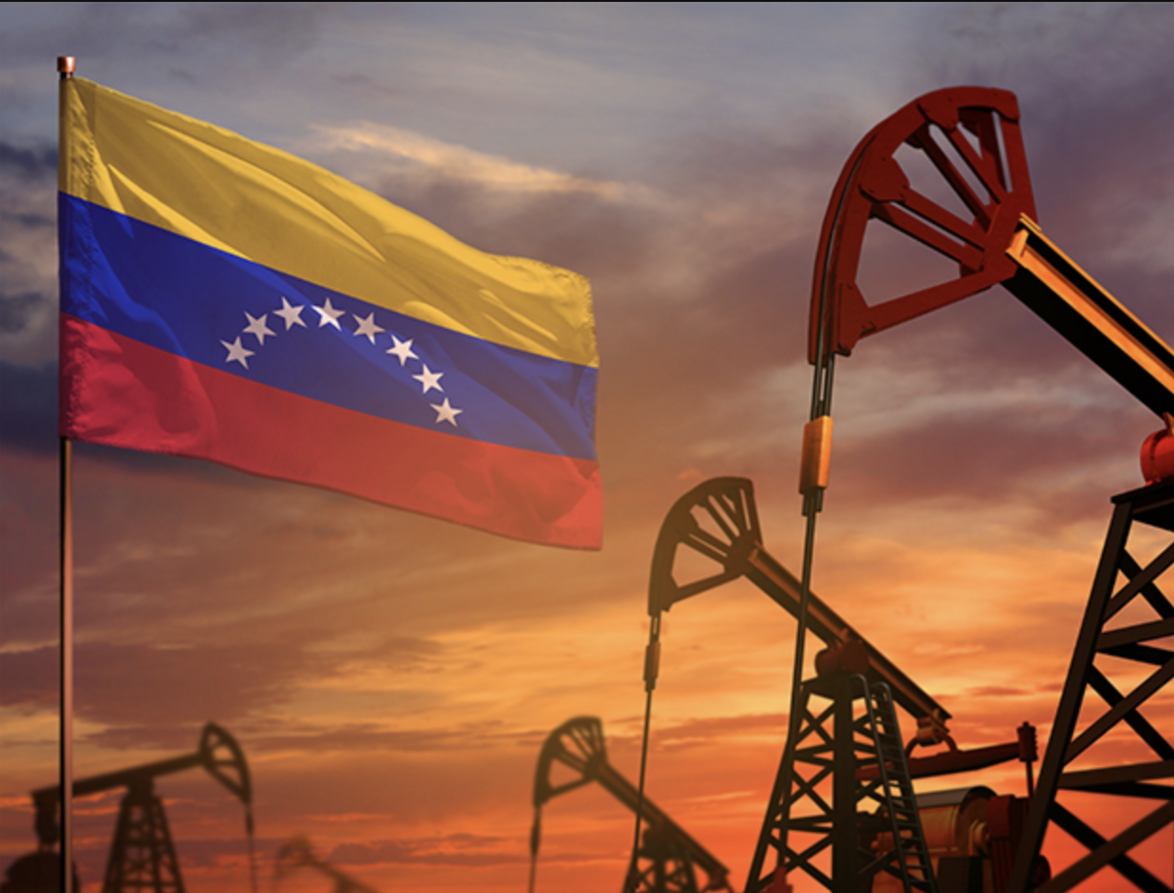
In a groundbreaking geopolitical shift in early 2026, Venezuela — long saddled with economic collapse and plummeting oil production — has suddenly become one of the world’s most talked-about energy stories. A U.S. military operation on January 3, 2026 resulted in the capture of Venezuelan President Nicolás Maduro and First Lady Cilia Flores, an event that has dramatically altered both Venezuela’s domestic trajectory and global oil markets.
What Happened: Maduro Captured, Oil Markets React
The U.S. operation — confirmed by multiple international sources — removed Nicolás Maduro from power and installed Delcy Rodríguez as interim president. While U.S. leaders initially claimed Washington would “run Venezuela,” officials later clarified that direct governance isn’t the goal, though the U.S. will press for structural policy changes and leverage oil policy to influence economic reforms.
Why this matters: Venezuela holds the largest proven oil reserves in the world — an estimated 303 billion barrels, or about 17 % of global proven oil reserves, concentrated mainly in the heavy crude-rich Orinoco Belt.
Venezuela’s Oil Reserves: World’s Largest, Least Tapped
Venezuela’s oil reserves dwarf those of Saudi Arabia. While Saudi Arabia holds around 267 billion barrels, Venezuela’s 303 billion barrels make it the undisputed global leader.
However, decades of mismanagement, underinvestment, decaying infrastructure, economic sanctions, and technical challenges have kept production far below potential. Even at its peak in the 1990s, Venezuela produced more than 3 million barrels per day (bpd). In 2025, output hovered around 0.8–1.1 million bpd, a fraction of what those massive reserves could deliver.
Historic Oil Reform Law: Ending 20+ Years of State Control
In January 2026, Venezuela’s National Assembly passed a sweeping hydrocarbons reform law that dismantles decades of state monopoly in the energy sector and opens the industry to foreign and private investors.
Key Elements of the New Oil Reform
✔ Private/foreign companies can now operate, sell, transport, and refine Venezuelan crude — a dramatic shift from PDVSA’s exclusive control.
✔ Dispute resolution via independent arbitration, addressing one of the biggest barriers for foreign capital.
✔ Flexible royalty and tax terms to make oil projects commercially attractive.
✔ Reform reverses policies dating back to Hugo Chávez and strengthened under Maduro.
These changes — coupled with planned U.S. sanction relief measures — signal a potential revival of Venezuela’s oil industry and a strategic pivot in global energy flows.
Early Signs of Revival: Oil Exports & Renewed Trade
Even as reforms are being enacted, oil exports are rising again:
January 2026 exports jumped to ~800,000 bpd, up from under 500,000 bpd in December.
U.S. import volumes climbed sharply following easing of oil sanctions.
Key traders like Trafigura and Vitol are facilitating shipments to global markets.
Venezuela has also restarted LPG exports after nearly three years.
Global Interest: Energy Giants Eye Venezuelan Oil

Major international energy players are watching closely:
- Chevron — the only major U.S. oil producer still present — is best positioned for expansion.
- European firms like Repsol and Eni have signaled interest if legal stability improves.
- Shell is planning offshore gas and LNG project development once sanction barriers fall.
While many oil companies are cautiously optimistic, infrastructure needs massive investment and political uncertainty persists.
Challenges Ahead: Risk, Investment & Infrastructure
Despite the optimism, serious barriers remain:
Decades of infrastructure decay mean billions — possibly over $100 billion — in investment is needed just to rehabilitate existing fields.
Heavy crude extraction is costly and technically complex, requiring advanced refining and specialist expertise.
Political and legal uncertainty still deters many investors from making long-term commitments.
Market Forecast: What to Expect by 2030
Energy analysts report that with sustained investment and reforms:
- Venezuela could lift crude production to roughly 1.5–1.8 million bpd by 2030 — still below historic peaks but a significant rebound.
- Continued foreign investment would diversify global supply and potentially reduce reliance on Middle Eastern oil.
- Venezuela’s oil revival could ripple through global markets, affecting crude prices, trade patterns, and geopolitical alliances.
People Also Search
Q: How much oil does Venezuela have?
A: Venezuela holds roughly 303 billion barrels of proven oil reserves, the largest in the world — about 17 % of global reserves.
Q: Why isn’t Venezuela rich from oil?
A: Years of mismanagement, corruption, sanctions, and a lack of foreign investment have crippled production and earnings.
Q: Who owns Venezuela’s oil?
A: Historically, Venezuela’s oil was fully controlled by state oil company PDVSA. The 2026 reforms now open ownership and operational rights to private and foreign partners.
Q: Does Reliance Industries buy Venezuelan oil?
A: Venezuela has resumed exports under U.S. licenses, and Indian firms like Reliance could resume heavy crude imports if commercially viable (referenced in ongoing trade discussions).
Final Word: Venezuela at a Historic Energy Crossroads
2026 could go down as the year Venezuela’s oil sector finally started to live up to its potential. While the road ahead is complex — marked by political risk, infrastructure challenges, and global market shifts — the combination of historic oil reforms, expanding exports, and renewed investor interest makes Venezuela one of the world’s most important energy turnaround stories.
Stay tuned for live updates on Venezuela’s evolving oil industry, energy market impacts, and international investment trends.
By P. Manika (Performist Content Writer)
You may Also Like

The Billion-Dollar AI Battle Behind Silicon Valley

Samsung Becomes South Korea’s First $1 Trillion Company: How AI, HBM Chips & Galaxy Devices Fueled Its Historic Rise