Iran-US De-escalation: What It Means for Dubai Businesses, Indian Companies, Real Estate and Travel Recovery in 2026
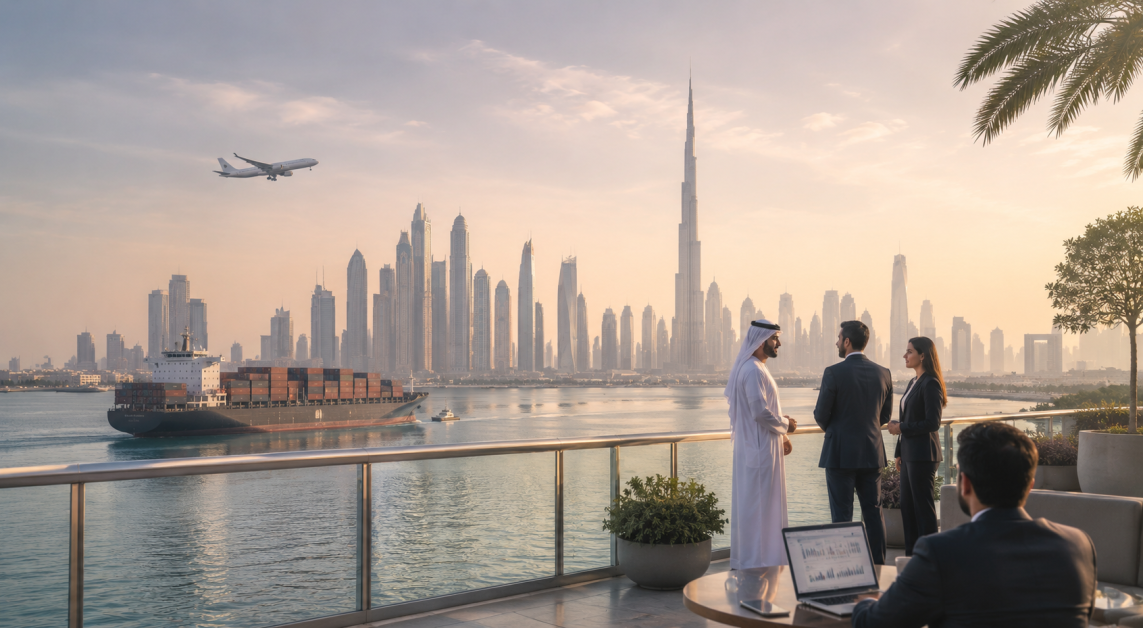
Iran-US De-escalation: How Dubai's Economy Could Bounce Back and Why Businesses Are Watching Closely
The Middle East has once again become the center of global attention, but this time the headlines carry cautious optimism rather than uncertainty. Following diplomatic progress between the United States and Iran and signals of de-escalation across the region, investors and businesses are beginning to reassess the future of Dubai—the commercial heartbeat of the Gulf.
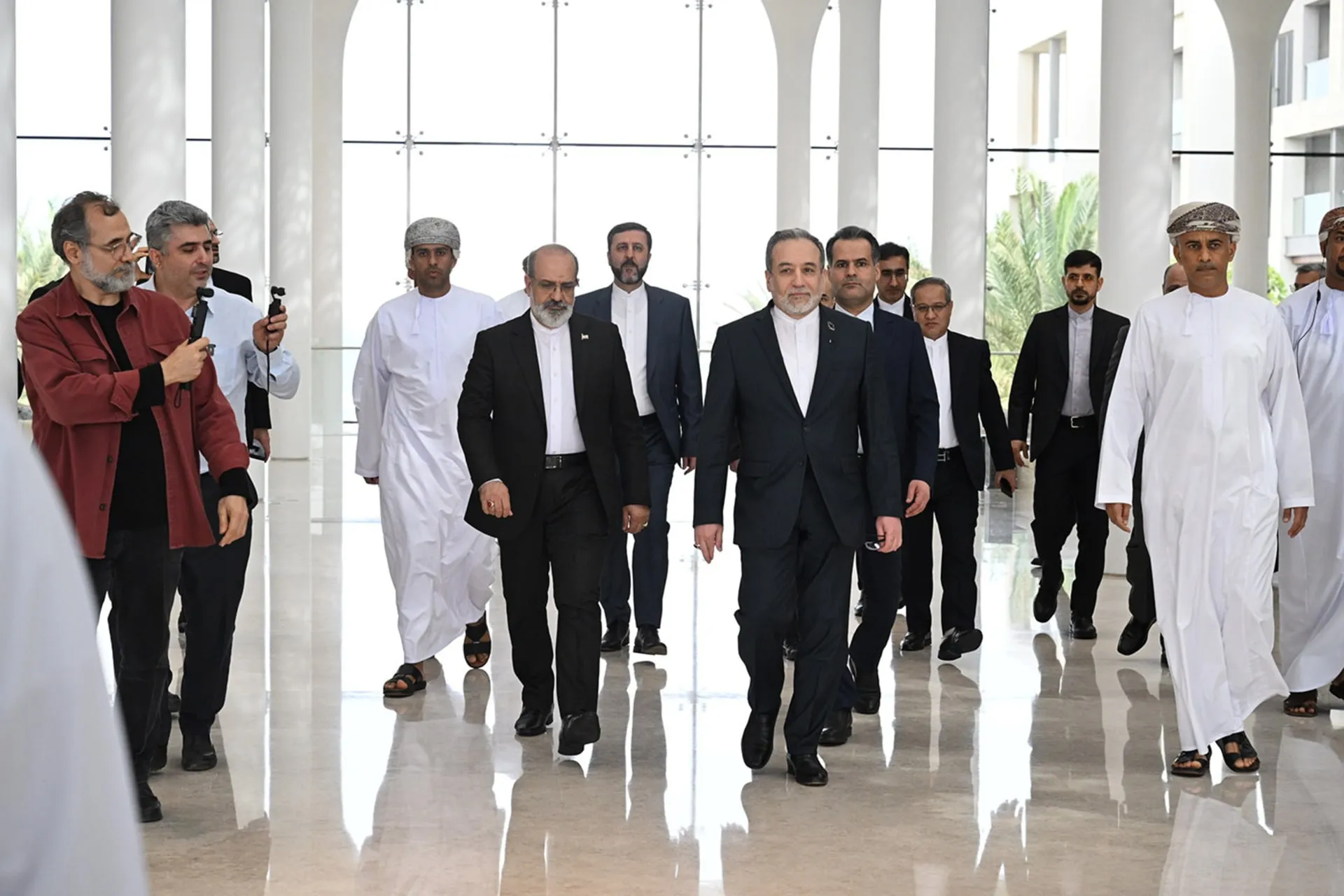
Image: Iranian Foreign Minister Abbas Araghchi leads the Iranian delegation to depart for talks in Oman on February 6, 2026. Xinhua/Getty Images
For multinational corporations, Indian companies with regional headquarters in the UAE, airlines, logistics providers, and real estate investors, the question is simple: Will Dubai recover quickly from the recent geopolitical slowdown?
The answer appears increasingly positive.
Dubai: More Than a City, It's a Global Business Ecosystem
Often referred to as the gateway between East and West, Dubai has built an economy that extends far beyond tourism.
Today, it serves as:
- Regional headquarters for thousands of multinational corporations
- Home to one of the world's busiest airports
- A logistics powerhouse connecting Asia, Europe, and Africa
- A financial center attracting global capital
- A thriving startup and technology hub
- One of the fastest-growing luxury real estate markets
Think of Dubai as a collection of interconnected Dubai Spaces—where finance, innovation, tourism, logistics, and entrepreneurship coexist under one highly diversified ecosystem.
This diversification is precisely what makes the emirate remarkably resilient during periods of uncertainty.
The Iran-US Agreement Could Reduce Regional Risk
Recent diplomatic developments suggest both Washington and Tehran are prioritizing negotiation over prolonged conflict.
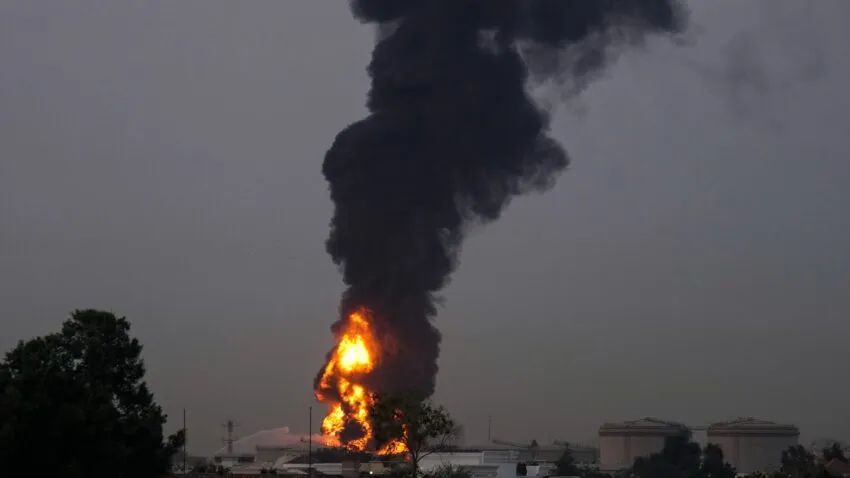
Image :Fire and plumes of smoke rises after a drone struck a fuel tank forcing the temporary suspension of flights. near Dubai International Airport, in United Arab Emirates, early Monday, March 16, 2026. (AP Photo)
The reopening of the Strait of Hormuz report from Al Jazeera and commitments toward reducing military escalation have immediate implications for global trade.
For businesses, reduced geopolitical tension means:
- Lower shipping risks
- Stabilized insurance premiums
- Improved investor confidence
- Better energy price predictability
- Increased willingness to expand operations
Markets rarely wait for perfection—they respond to confidence. And confidence appears to be slowly returning.
What It Means for Multinational Companies Based in Dubai
Thousands of Fortune 500 companies use Dubai as their Middle East headquarters.
During the conflict period, many delayed:
- Hiring
- Capital investments
- Regional expansion
- Client travel
- New office openings
With tensions easing, these plans are expected to gradually restart.
Companies operating from Dubai are likely to benefit from improved financing conditions, renewed customer confidence, and smoother logistics.
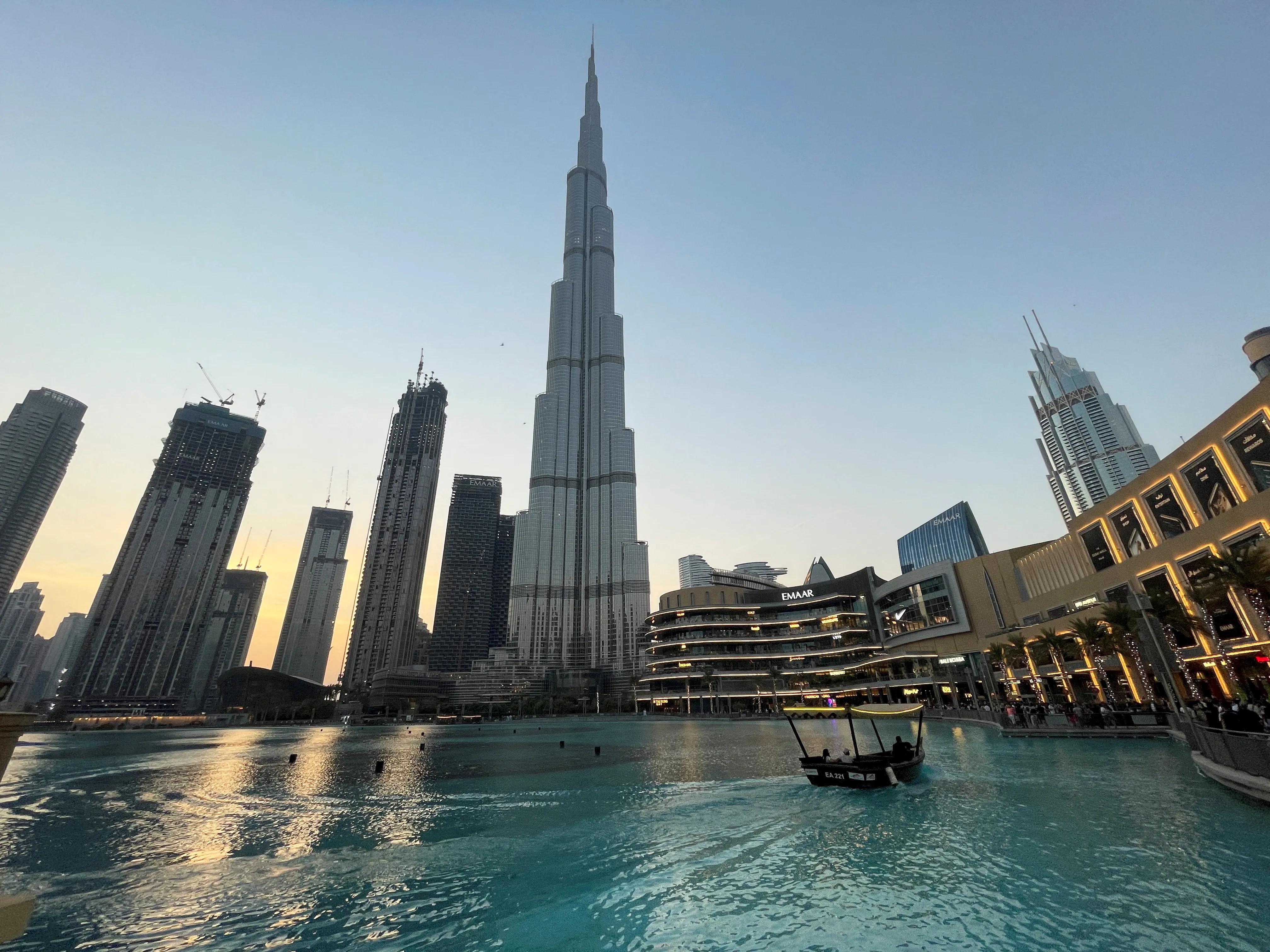
Rather than making dramatic changes, many organizations will adopt a Micro strategy—small, calculated expansions that reduce risk while maintaining growth momentum.
This measured approach may define corporate planning over the next six months.
Indian Companies with Dubai Headquarters Stand to Benefit
India and the UAE share one of the strongest economic relationships in the region.
Thousands of Indian firms operate from Dubai in sectors including:
- Information technology
- Advertising
- Healthcare
- Financial services
- E-commerce
- Manufacturing
- Consulting
- Logistics
For these businesses, geopolitical stability directly affects profitability.
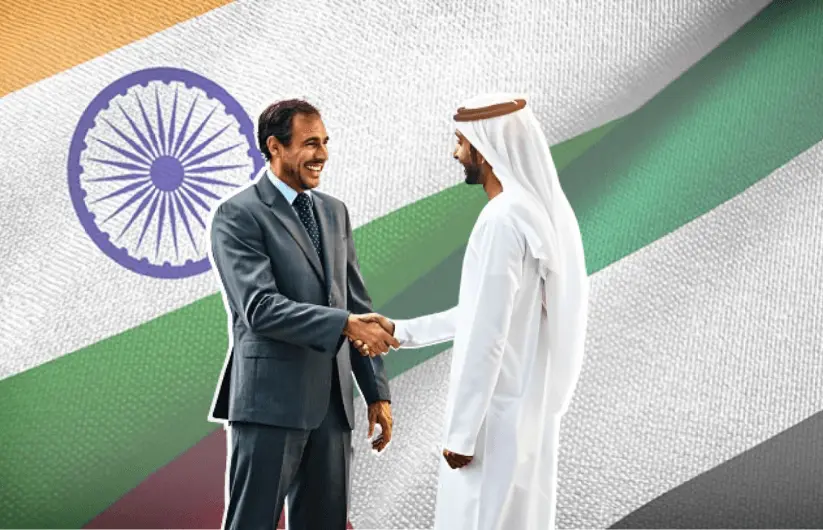
Reduced uncertainty could translate into:
- Faster project execution
- Easier cross-border travel
- Lower shipping costs
- Improved banking confidence
- Increased hiring
- Greater customer demand
Companies that paused expansion may now restart regional growth initiatives.
Dubai Real Estate: A Temporary Pause Rather Than a Permanent Slowdown
Dubai's property market has consistently attracted investors from Europe, India, Russia, China, and the Middle East.
Recent uncertainty caused some buyers to postpone decisions, but market fundamentals remain strong.
Key drivers continue to include:
- Tax-friendly policies
- Residency incentives
- Strong rental yields
- Population growth
- International investor demand
Luxury developments remain particularly attractive for high-net-worth buyers seeking long-term stability.
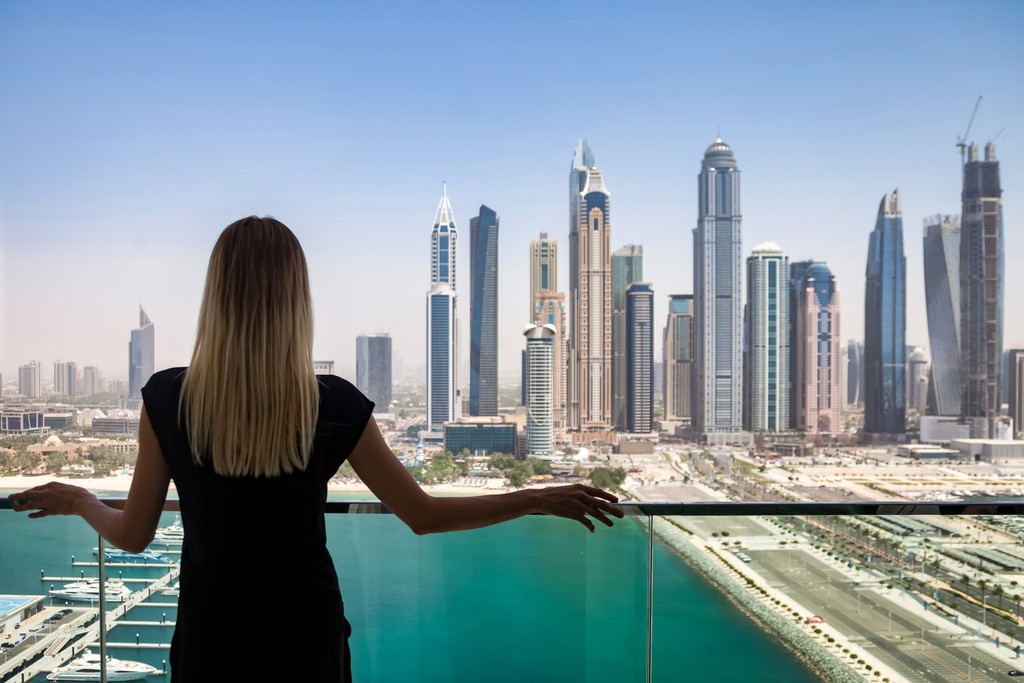
Rather than collapsing, the market appears to have entered a period of consolidation before potentially resuming growth.
Travel Is Expected to Rebound
Tourism is one of Dubai's greatest strengths.
Business travelers postponed conferences and corporate meetings during regional tensions, while leisure travelers adopted a wait-and-watch approach.
As confidence returns, several sectors should benefit:
- Airlines
- Hotels
- Restaurants
- Entertainment
- Retail shopping
- Luxury experiences
The city's hospitality industry has historically demonstrated remarkable resilience following global disruptions.
Consumer Spending Could Accelerate
When uncertainty fades, spending often follows.
Residents and visitors alike become more comfortable making discretionary purchases.
Luxury retail, dining, hospitality, and entertainment may all experience renewed momentum.
In many ways, economic recovery resembles a social Munch—small bites of confidence that collectively fuel a much larger feast of consumption and investment.
As confidence grows, those small decisions accumulate into significant economic activity.
Supply Chains and Global Trade Will Feel the Impact
The WJS reports Strait of Hormuz remains one of the world's most important shipping corridors.
Any improvement in maritime security benefits industries worldwide.
Manufacturers, exporters, importers, and logistics providers all stand to gain through:

- Faster deliveries
- Lower insurance costs
- Predictable freight pricing
- Reduced operational disruptions
Global supply chains depend heavily on stability in the Gulf.
What Investors Should Watch
Despite improving sentiment, risks remain.
Key indicators include:
- Successful implementation of diplomatic agreements
- Continued reopening of shipping lanes
- Oil price stability
- Regional security developments
- Foreign investment trends
- Airline capacity growth
- Real estate transaction volumes
These metrics will provide early signals about the pace of recovery.
Will Dubai Recover from the Slump?
Most indicators suggest yes.
If diplomatic progress continues and no major escalation occurs, the coming six to twelve months could see:
- Increased foreign direct investment
- Recovery in business travel
- Stronger tourism numbers
- Higher real estate activity
- Corporate hiring expansion
- Renewed startup funding
- Greater consumer spending
Dubai has repeatedly demonstrated its ability to adapt, innovate, and rebound from global crises.
Also Read:Corporate Cuts and Personal Comebacks: How a pink slip isn’t the end of the road!
Its diversified economy provides resilience that many regional markets cannot easily replicate.
Final Thoughts
The Iran-US de-escalation may prove to be one of the most significant geopolitical developments for Gulf economies in recent years.
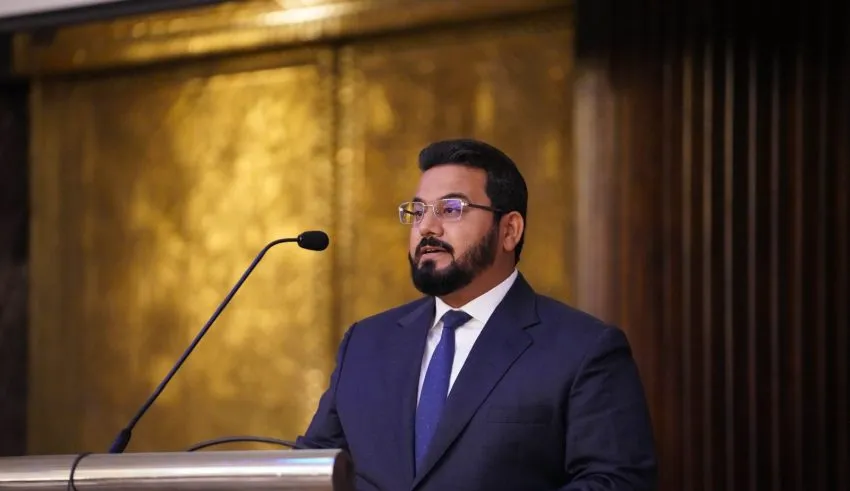
"Dubai is witnessing a clear recovery that will continue to grow until 2026" Munthir Al Ali
For multinational corporations, Indian businesses operating from Dubai, investors, and travelers, the outlook appears increasingly constructive.
The path to recovery may not be instantaneous, but the ingredients are already in place: diplomacy, restored trade routes, investor confidence, and economic diversification.
Whether viewed through the lens of global finance, innovative Dubai Spaces, cautious Micro expansion strategies, or the collective economic Munch of returning consumers, one thing is becoming clear—the emirate is well positioned to regain momentum and strengthen its role as the Middle East's premier business destination.
For businesses willing to think long-term, the current environment may represent not just a recovery, but the beginning of the next phase of Dubai's growth story.
By Tommy Thounaojam- Editor Micromunch