The Indian European Trade Deal Agreement: A Promise of Today Payoff For Tomorrow
The New Trade Era: India and Europe’s Union Trade Agreement
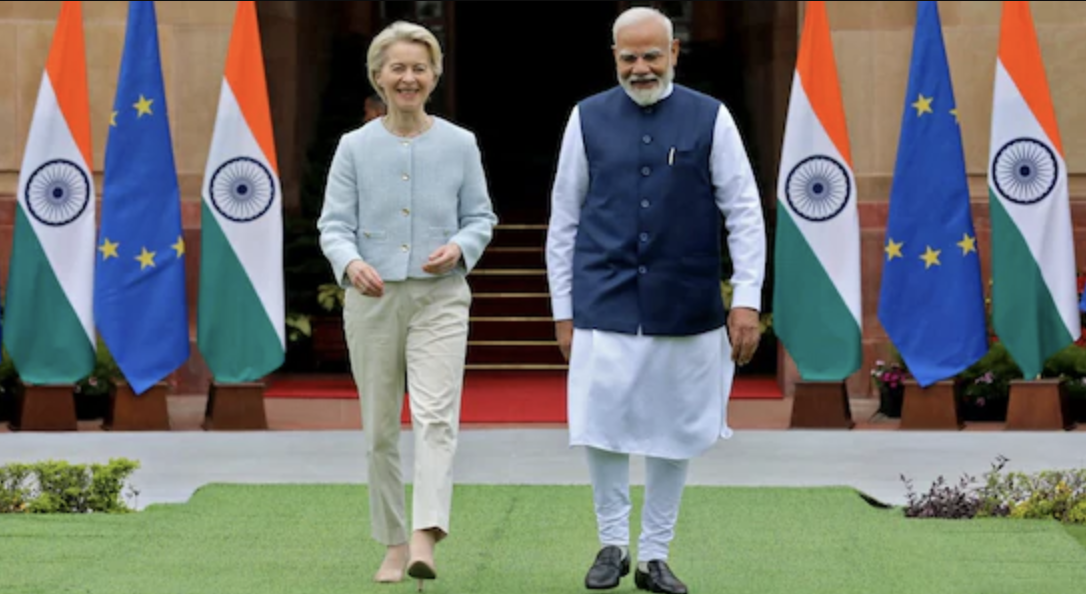
India and Europe officially signed a historic Free Trade Agreement (FTA) after nearly 20 years of negotiations on 27 January 2026. This agreement, called the “mother of all deals” by officials, marks a major shift in global trade policy for both parties. It covers market access for a combined market of around 2 billion consumers for goods, services, and investment.

India's trade deals are nothing new, but unlike some earlier trade pacts focused on individual countries, this is India’s largest-ever trade deal with a union of nations. The plus point is that they are one of India’s top trading partners, accounting for more than €120 billion in yearly goods trade before the deal. Now let's look into the details of this India and Europe trade deal.
Inside The Deal: What the India and Europe Deal Actually Delivers
With this agreement, many tariffs on EU-India import and export are altered, and the major trade deal news is that it cuts or eliminates tariffs on over 90 % of traded goods by value between India and the EU.
India will reduce duties on EU-imported goods, which include automobiles, machinery, chemicals, medical devices, wine, and spirits.
The EU will eliminate tariffs on most Indian exports such as textiles, leather goods, chemicals, gems & jewelry, and others.
For sectors like finance, digital trade, and professional services, the services and investment flows will be liberalized, promising easier market access and cooperation.
Sensitive sectors, like core agriculture and certain farm products, were excluded. Items like staple crops, dairy products, poultry, sugar, and certain grains may not receive major tariff cuts, as a sudden change may affect farmers’ incomes, food security, and rural jobs.
The pact still requires ratification by EU member parliaments and India’s legislature before it is fully implemented (expected in 2027).
People Are Curious About:
Are there any previous India and Europe trade agreements?
Ans) Yes, while the India–EU Free Trade Agreement (FTA) signed in January 2026 is the largest and most comprehensive to date, there are a few treaties in the past:
India–EFTA Trade and Economic Partnership Agreement (TEPA): signed on 10 March 2024 trade pact between India and the European Free Trade Association (EFTA), which includes Iceland, Liechtenstein, Norway, and Switzerland, aiming to reduce tariffs on most goods and liberalize services and investment between India and these EFTA states.
Aside from this, India also engages in bilateral trade dialogues and sectoral arrangements with individual European countries and industry blocs, but the new 2026 deal with the EU is its biggest bloc-wide agreement.
Does a trade agreement impact the normal consumers of a country?
Ans) Yes, trade agreements would impact consumers, but usually gradually and unevenly. Trade agreements often alter tariffs, open services markets, and boost imports and exports among the countries. This would lower prices of goods and services, not immediately but over time. Jobs and incomes may improve if export industries grow. More variety of goods and services can enter the market. Foreign investment can increase, benefiting tech, services, and manufacturing sectors.

In short, consumers may see benefits over several years, but daily living expenses usually don’t change overnight. The deeper impacts unfold through businesses, exports, jobs, and investment patterns rather than direct handouts to individuals.
What is the latest trade deal news benefiting India?
Ans) The latest major news is the historic India–EU Free Trade Agreement signed on 27 January 2026, often called the “mother of all deals.” India and Europe deal benefits by tariff removal on Indian exports and imports from European countries. This reduces trade barriers and sets clearer market access rules. India could become a more attractive destination for European investment, especially in manufacturing, services, and tech sectors. This agreement is still subject to ratification by EU member states and India’s parliament before full implementation (expected by early 2027)
The Ripple Effect: India and Europe's Deal Benefits For Indian Economy
The recent tax laws upgrades and their effect on common people's income in a positive light have created a hope to gain benefits from the trade deal news. Though not a major shift, living in Mumbai, the fast-paced and expensive financial capital, the ripple effect is ensured as tariffs on import and export can also alter the pricing of many goods and services relevant to the Indian and European economy.
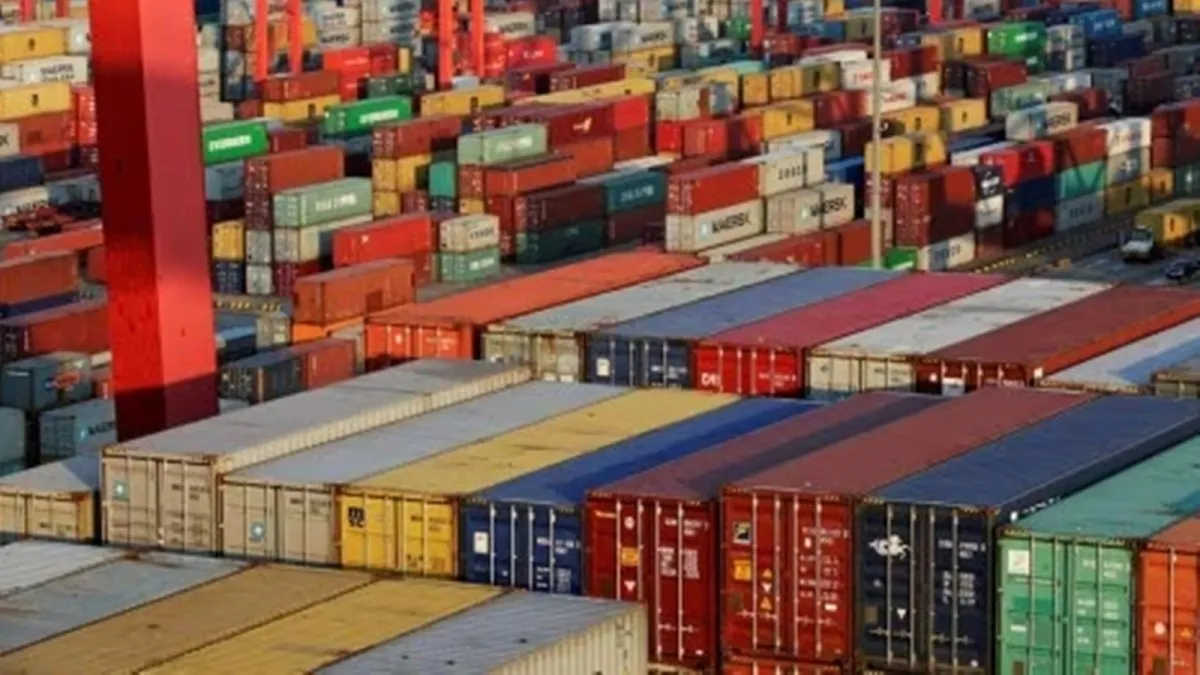
Many ordinary consumers might not immediately see direct changes in prices or investment at the consumer level. For now, prices of everyday goods, property, and common services are unlikely to be altered overnight. Here’s a plausible breakdown of how this could play out for the coming 3-5 years:
Consumer Impact of The Trade Deal Agreement:
Consumer Goods & Appliances
Indian imported European goods like premium appliances or electronics, gradually we may see lower prices as tariffs fall. But this will not instantly make basic items like washing machines or TVs cheaper due to GST and state taxes remaining.
Cheaper high-end items like Italian coffee makers, Swiss watches, and gourmet foods may appear more often on shelves at better price points over time.
Property & Real Estate
Real estate or property prices may not generally be affected by the trade deal news. This may happen only if European investment in real estate rises significantly (unlikely in the short term), then we might see an indirect ripple. Foreign developers still face local regulations and controls.
Investments & Markets
Service investment liberalization may attract more European capital into Indian startups, finance, and tech sectors, but this will likely take years, not months.
Markets might react positively to improved future growth prospects, especially in export-oriented industries.
Industry-wise Impact of India and European Union Deal

Automobile Sector
India imports European cars like Mercedes-Benz, BMW, Audi, and Volkswagen, which are mostly purchased in cities like Mumbai, Delhi, and Bangalore. They could become comparatively more affordable over time, as import duties are slated to fall from 110 % to around 10 % under quotas.
But for local manufacturers (Tata, Mahindra, etc.), this means increased competition, especially in the premium segment.
For the Electric Vehicles EVs that's a temporary protection, as tariff cuts start with ICE(Internal Combustion Engine) vehicles before EVs.
Alcohol & Wine
Tariff duties and taxes on Alcohol and Wine in India are high, but since the import tariffs would be reduced on imported wines and spirits, consumers would see a price adjustment over time, though GST and retail taxes still apply.
This would increase the in-house competition for local brands, yet with the reciprocal nature of India's and Europe's trade deal details, Indian wines could find new export opportunities in European countries.
Pharmaceuticals & Healthcare
Indian healthcare facilities and pharmaceutical drug production have been ample, but the elaborate potent is yet to develop, and the India and European Union deal would bring a shift in this.
The EU is a source of high-end medical devices and precision equipment. Reduced tariffs could lower costs for healthcare facilities and potentially inputs for manufacturing.
Generic Indian drugs remain competitive globally; however, stringent EU standards and patents might limit gains in certain pharmaceutical segments.
This may benefit research-intensive medical entities like Tata’s cancer research and manufacturing partners, as access to European tech and investment could improve capabilities over time.
Textiles, Leather, Gems & Jewelry
The textile and clothing industry in India has been a major exporter to various countries. These classic Indian export sectors are a big win with zero or near-zero tariffs into the EU market. This could help Indian producers compete better against rivals in Bangladesh, Vietnam, and China.
For smaller exporters, easier access could boost jobs and profits in clusters around Maharashtra.
Indian diamonds and finished jewellery would become cheaper for European buyers, making them more competitive against suppliers from China, Thailand, or Turkey. More EU orders mean higher production, which translates to more jobs for cutters, polishers, designers, packers, and logistics workers.
Since India and Europe have a trade deal, the benefits for the Indian Economy are spanning across industry and consumers. The same applies for European industry; let's look at the plausible impacts the trade deal would have.
Automobiles & Machinery
With the reduced tariff, European automakers gain greater access to India’s protected car market, which is one of the fastest-growing major auto markets globally. This agreement reduces tariffs for up to 250,000 vehicles/year, offering them a platform to expand their presence and sales.
Machinery, heavy equipment, and precision engineering products from Germany, Italy, and France would face far lower duties, boosting competitiveness vs other global producers.
Aerospace & Aircraft Parts
If one follows the raw material and machinery trade, they may know that India imports a lot of avionics and aerospace components from the EU. Lower tariffs and easier market access help EU firms expand their footprint in India’s aviation and defence supply chains.
Consumers & Agriculture
While many agricultural staples remain excluded, processed European foods, olive oil, specialty products, and wine have the opportunity to gain a larger Indian market share.
Indian consumers in affluent cities like Mumbai might see them more frequently and somewhat more affordably on the shelf than they were previously.
Textile & Leather Exports
India’s garments and leather goods should find zero-duty access to European markets, and will be able to enter European markets with little or no import tax. This makes them cheaper and more attractive for European buyers compared to goods from countries that still face duties.
Spices, Perfume & Unique Indian Goods
Indian spices and fragrances are exported to European countries and are already prized abroad; they could see improved demand due to easier market access and preferential treatment, though global competition and EU regulatory standards will still matter.
Final Thoughts
Indian Economy’s or trade deal changes seem to affect residents of cities like Mumbai, Delhi, Bangalore, just as the increase in taxes affects city consumers. Even the increase in import tariffs to the U.S. announced caused a significant impact. As it reduced demand for Indian goods abroad, the consumer spending, hiring, and overall economic momentum in India faced indirect pressure.
This deal, on the contrary, would relax the pricing in the industry in India and Europe. This trade deal news effect feels distant today; you probably haven’t seen price drops or investment windfalls yet. But over the next 3-5 years, these changes could strengthen export industries, diversify supply chains, reduce costs for high-end imported goods, and attract investment into technology-intensive sectors.
This trade deal agreement is surely a two-way beneficial deal where, for India, it’s a major strategic move that opens access to wealthier markets. While for Europe, it revives commercial ties with a fast-growing Asian economy after years of stagnant economic growth.
By P. Manika (Performist Content Writer)
Further Reads:
https://www.cnbc.com/2026/01/28/cnbc-daily-open-the-eu-india-trade-deal-story-is-not-over-yet.html
https://ec.europa.eu/commission/presscorner/detail/en/ip_26_184
You may Also Like
HiLITE Group’s ₹20 Crore Employee Car Gifts Put Kerala Firm Alongside Google, NVIDIA and Reliance

Trump’s China Visit 2026: Xi Summit, AI Talks, Taiwan Tensions and Top CEOs in Beijing