Rupee Vs Dollar: The Rupee Slide Explained Why the Gap Keeps Growing
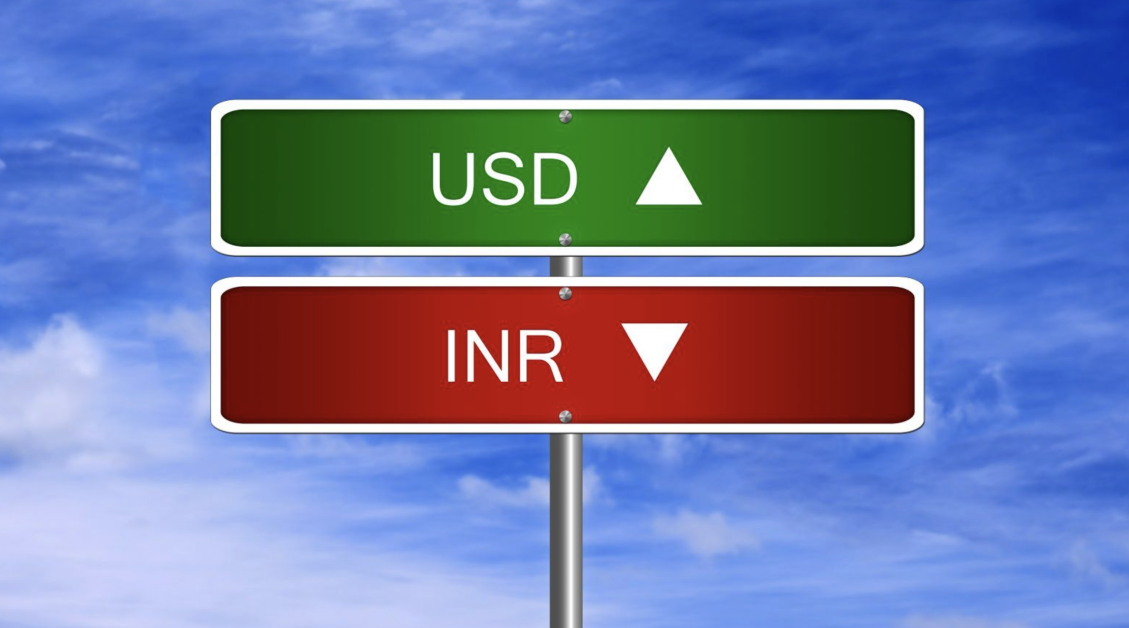
Currency for each country is not just a medium of exchange but also a reflection of its economic strength, political stability, trade balance, and global influence. The rupee value against the dollar today is low, and it has been on a gradual downward trend against the US Dollar for decades, and it’s a reality most of us notice. whether while checking fuel prices, planning an overseas trip, or tracking the rising cost of imports. But this decline isn’t the result of a single event or policy; it reflects deeper economic forces at play.
Understanding currency movements at a global level helps explain everything from international trade and travel costs to investment flows and the cost of living across countries. Strong currencies often belong to nations with stable economies and robust exports, while developing economies may experience fluctuations as they grow and integrate into global markets, and multiple factors influence this currency strength.
In this blog, we explore why the Rupee to USD continues to weaken, how it impacts the Indian economy, and what it means for everyday life, from household expenses to investments and employment.
Current Pulse: Where Does the Rupee Stand Now?
The Indian rupee against the US dollar has become much weaker over the past few years, and in early December 2025, the rupee breached the critical psychological threshold of ₹90 per dollar, reaching ~ ₹90.14–₹90.43 at times, a record low.
This fall didn’t happen overnight; it continues a depreciation trend that began after mid-2022, when the rupee had already weakened past ₹80 per dollar in roughly three and a half years, it lost substantial value. The current slump reflects both global headwinds and specific domestic economic pressures. It is the result of a mix of global factors like a strong US dollar and global economic uncertainty, and domestic pressures, such as higher imports, inflation, and capital outflows. Together, these forces have pushed the rupee to its current low point.
Rupee vs Dollar: The Structural Reality of a Long-Term Battle.
Several structural and economic dynamics mean that INR tends to depreciate over time relative to USD. Key among them:
1. Trade and current-account deficit:
India imports more goods (oil, goods, commodities) than it exports. Thus, demand for dollars is consistently high to pay for imports, while dollar inflows the country receives from exports lag, pushing down the INR value.
2. Dependence on oil and imports:
India imports large volumes of crude oil, gold, and other commodities, often priced in dollars. When global prices of oil rise or import demand increases, more dollars are needed, which puts pressure on the rupee and makes it weaker.
3. Inflation differential:
India typically has higher inflation. If you remember what was worth 2 rupees value once, it is now 10-12 rupees. The inflation is rising quickly compared to the U.S. Over time, this erodes the “real rupee value” of the rupee relative to the dollar.
4. Global financial cycles & “safe-haven” dollar strength:
When global uncertainty strikes, such as geopolitical risks, global rate changes, investors flock to U.S. dollar assets, strengthening the USD vs. emerging-market currencies, including INR, hence enhancing the gap of the rupee against the US dollar.
5. Managed/“floating but managed” exchange rate regime:
The Indian rupee is not fixed at a set value against the US dollar. Instead, it moves based on market demand and supply, and the central bank (Reserve Bank of India, RBI) intervenes to moderate volatility but does not guarantee a strong rupee. Over time, this allows gradual rupee value depreciation.
Thus, even in “normal” times, structural imbalances, trade deficits, and import dependence, inflation tends to weaken the rupee against the US dollar over the long run.
From Pressure to Plunge: The Factors Driving Rupee to ₹90

While structural factors have always been present, the current drop of the Rupee value against the dollar is a combination of more immediate “shocks” and market dynamics accelerated the depreciation to a new low:
a. Capital outflows & weak foreign investment: Lower foreign direct investment (FDI) and fewer inflows reduce dollar supply, increasing pressure on the rupee. And, reportedly, Foreign investors (equity, bonds) have pulled money out of Indian markets.
b. Slowdown in exports/trade-deal uncertainty: India’s exports have been hit by global headwinds and tariffs, especially from the U.S., reducing dollar earnings from foreign trade. This means fewer dollars are coming into the country from trade, while the need for dollars to pay for imports remains high, putting pressure on the rupee.
c. Global commodity (oil, metals) prices & heavy import bill: India’s import expenses are increasing with High oil prices and other imports rising, the demand for dollars is increasing. This weighs on the rupee and causes the depreciation of the rupee value
d. Reduced intervention/soft-touch by RBI: The “managed float” gives room for depreciation, especially when external pressures mount. And compared to past times, the RBI has taken a less aggressive stance to defend the rupee.
e. Stronger dollar globally: The dollar remains strong globally due to interest-rate differentials, safe-haven demand, and global macro conditions. This makes every dollar cost more in INR, increasing the gap between the Rupee and USD.
So the ₹90 per dollar today is not due to a single cause; it’s an amalgamating result of trade deficit, global headwinds, weak capital flows, rising import bills, and less defence from the central bank. Several analysts call it “demand-supply imbalance in the FX market,” where demand for dollars greatly exceeds the supply of dollars into the country.
Why This Matters: Impacts on The Economy and People
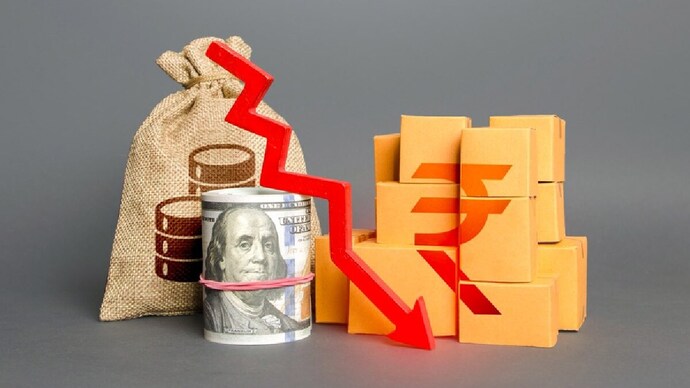
1. More expensive imports & inflation, goods priced in dollars, crude oil, machinery, electronics, foreign products, become costlier. That pushes up prices domestically, contributing to inflation.
2. Higher costs for foreign travel, education, and foreign currency loans. Students going abroad or people traveling overseas, or those with foreign currency–denominated loans, will feel hit as each dollar costs more.
3. Export and some sectors might benefit. Sectors earning in dollars, like IT services, outsourcing, may benefit as their dollar revenues convert to more rupees, which can boost their domestic profitability.
4. Increased burden on the government for dollar-denominated public debt or import-heavy projects. Projects requiring imports or foreign-denominated components become more expensive, which can pressure fiscal balances.
Is It Rupee Value Falling or Dollar Dominating?
It’s a bit of both. Some experts say falling INR doesn’t necessarily mean a “weak” domestic economy — part of it is external: strong dollar, global demand shifts, oil prices, interest-rate differentials.
Also, a gradual depreciation can be “normal” for a developing economy with higher inflation and heavy import needs; trying to keep the rupee artificially strong for long may create misalignments.
Coining to the Conclusion:
The rupee stays weak (or gets weaker) when demand for dollars rises, for imports, foreign investment withdrawals, global economic shifts, and the supply of fresh dollars via exports, FDI, and remittances remains limited.
Because India needs dollars for oil, imports, industrial inputs, and global trade, the rupee often remains under pressure, especially when global headwinds hit or foreign capital flows reverse. Right now, many of those pressures have converged, pushing the rupee past ₹90 per dollar.
– P. Manika (Performist Content Writer)
Reference Link:
https://en.wikipedia.org/wiki/Indian_rupee
https://finshots.in/markets/is-the-rupee-too-weak-or-the-dollar-too-strong/
https://www.financialexpress.com/business/news/rupee-rushes-to-90dollar/4064674/
You may Also Like

Taking a bigger bite out of the apple: John Ternus

Iran-US De-escalation: What It Means for Dubai Businesses, Indian Companies, Real Estate and Travel Recovery in 2026