Palmer Luckey: From Oculus VR Rebel to Defense Tech Maverick
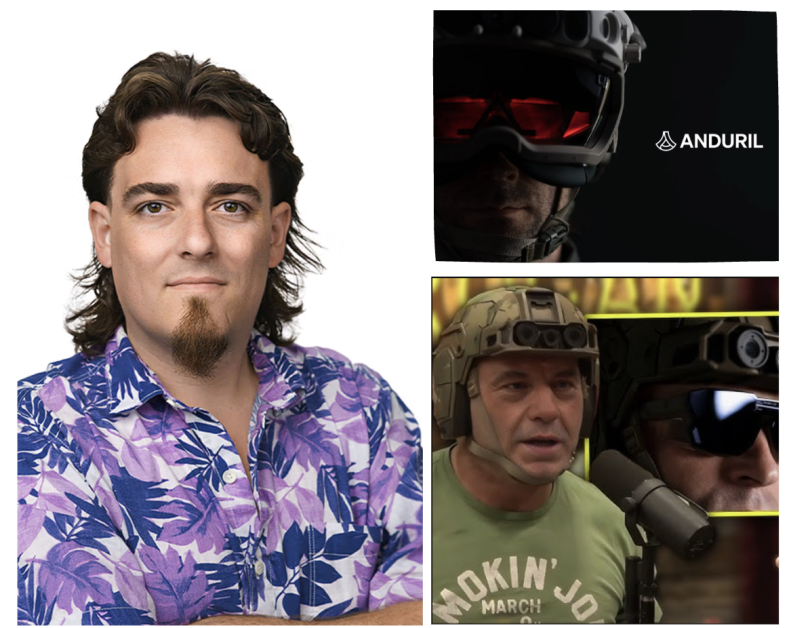
Palmer Luckey: From Garage VR Builder to Defence Tech Disruptor
What makes Luckey’s story so remarkable isn’t just the success — it’s the mindset behind it. Every project he’s touched, from Oculus to Anduril Industries, is fueled by the same mix of curiosity, rebellion, and technical brilliance. To understand how this unconventional visionary turned a garage hobby into one of the most disruptive defense companies in the world, we have to go back to where it all started — the early experiments that brought virtual reality to life.
Early Life & The Oculus Breakthrough
- Palmer Luckey grew up in Long Beach, California, homeschooled and fascinated by electronics and DIY hardware. He took college-level courses in his teens but did not follow a traditional engineering degree path (his major at California State University Long Beach was journalism).
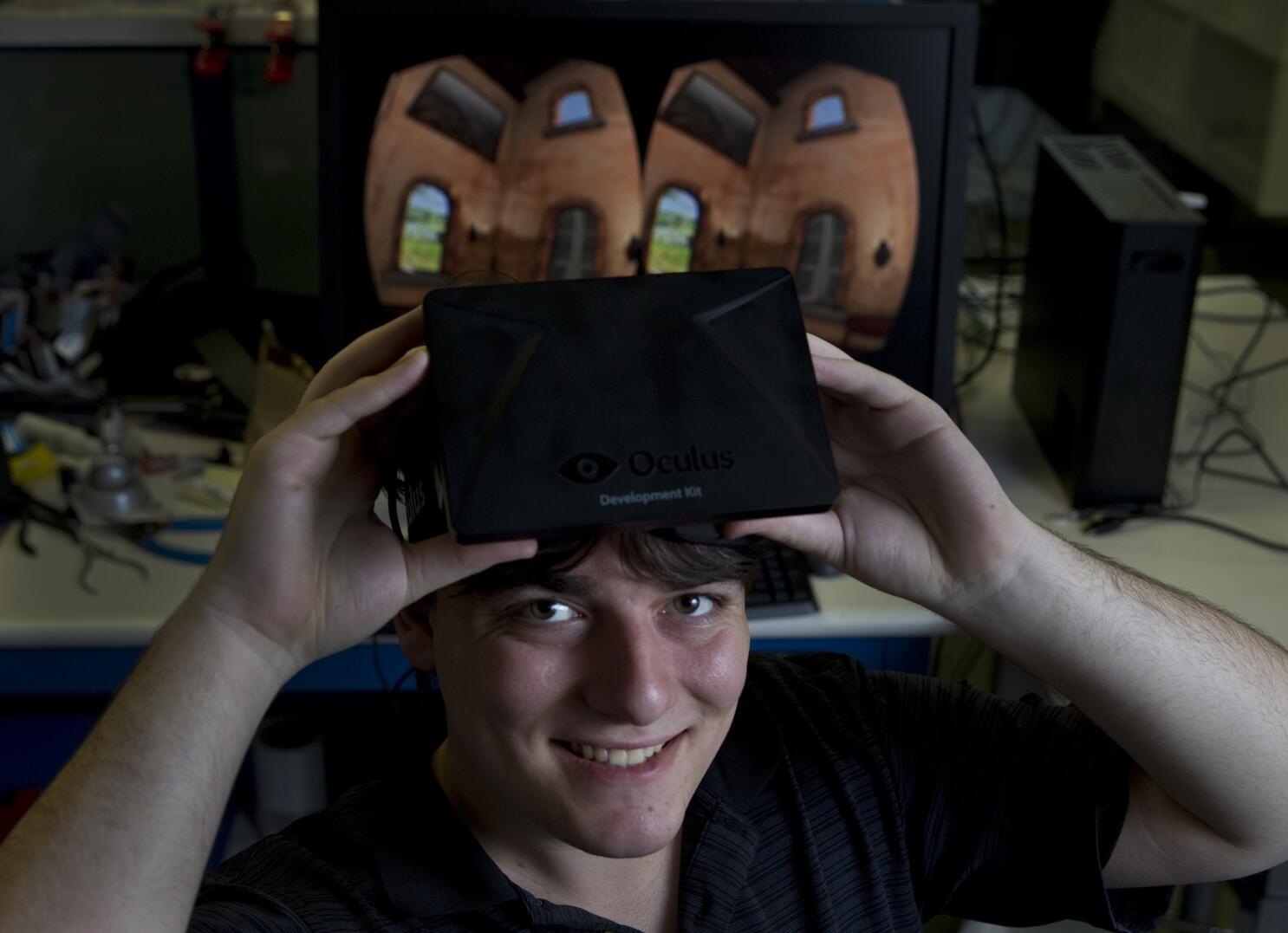
- In 2012-13 he built VR head-mounted display prototypes in his garage, culminating in what became the Oculus Rift.
- In March 2014 Facebook (now Meta) acquired Oculus VR for some ~$2 billion.
Departure from Facebook & The Pivot
Despite the acquisition, Luckey’s time at Facebook (Oculus) became contentious. He left/was let go in early 2017; Luckey later said he “got fired” and that it “wasn’t my choice” to leave. The departure followed controversies including political donations and legal issues around intellectual property.
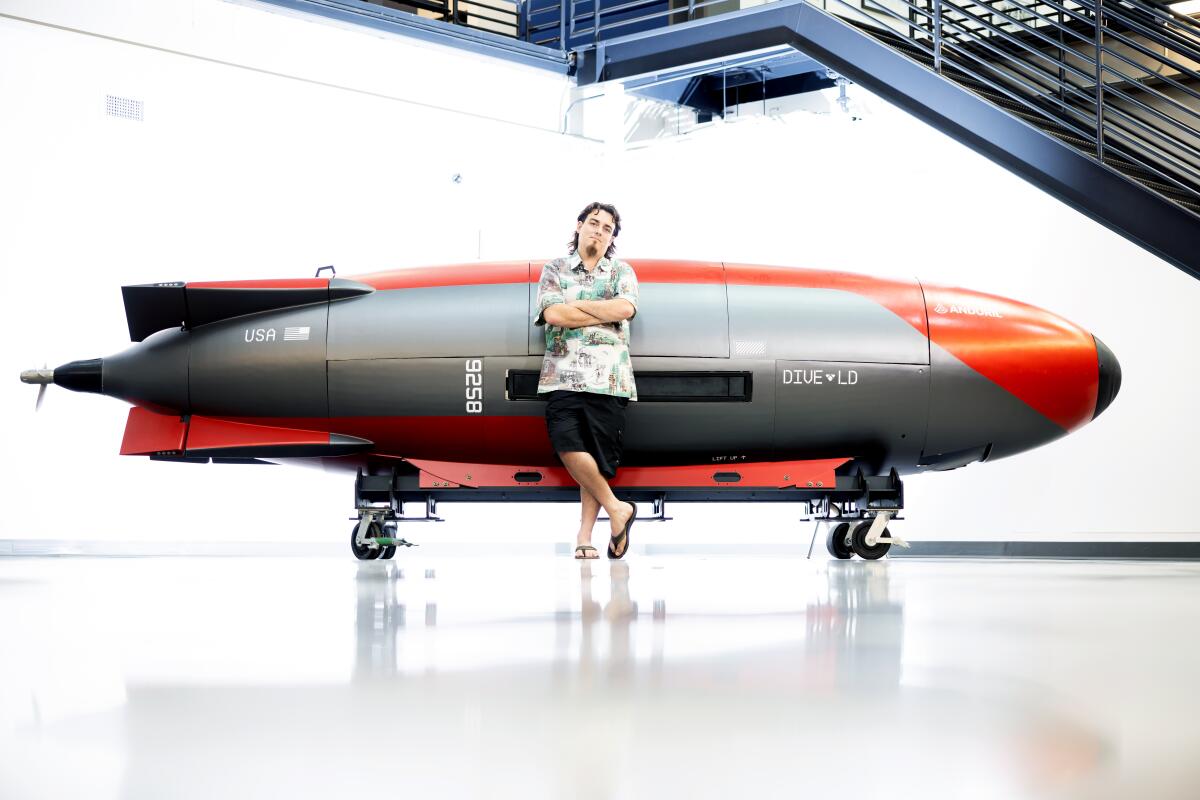
Rather than being a setback, this became a pivot point. Luckey founded defence-tech startup Anduril Industries in 2017 with a mission to apply Silicon-Valley speed and software innovation to military hardware.
Anduril Industries: Reinventing Defence Tech
Notably:
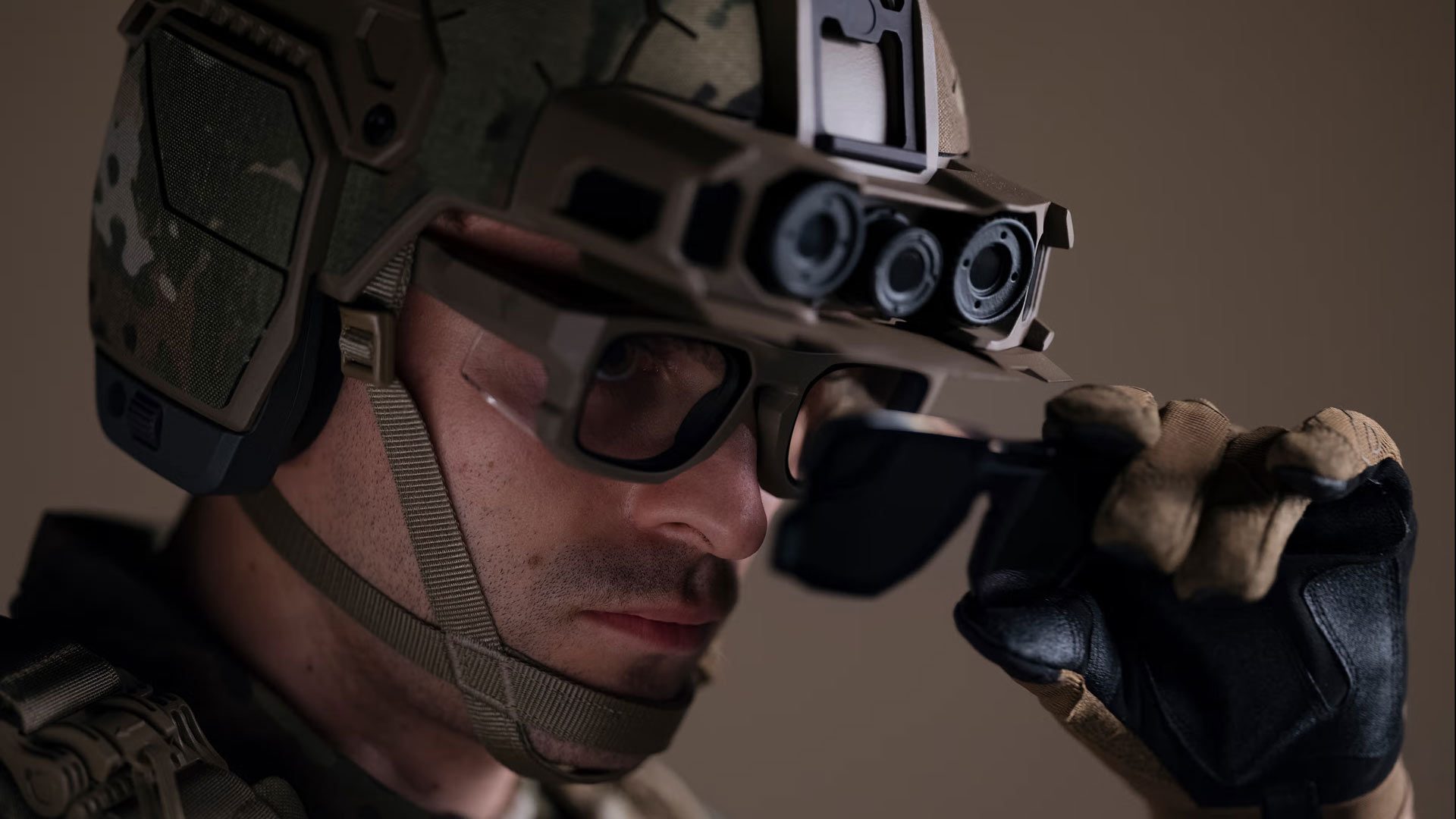
Anduril took over major AR/VR/mixed-reality headset program for the U.S. Army (Integrated Visual Augmentation System/IVAS) from Microsoft in 2025.
Its valuation exceeded $30 billion in mid-2025 after a $2.5 billion funding round.
Luckey himself has publicly framed Anduril’s objective as giving warfighters “superhuman perception” and leveraging autonomy to deter conflicts.
VR/AR Roots Meet Defence Hardware — The EagleEye Helmet
This continuity from VR entertainment to military application illustrates Luckey’s unique trajectory — from building gaming headsets to building military headsets.
Weapons, Firearms & Passion for Hardware
While direct publicly verified details of his personal hobby of “guns and weaponry” are more anecdotal, Luckey has made it clear that Anduril’s mission is driven by a belief in U.S. military technological superiority. In interviews he emphasises the need for advanced systems, autonomy, sensors and low-cost scalable hardware.
His hobby-like focus on hardware tinkering (from VR rigs to autonomous drones) supports the idea that his personal interest in machinery, hardware design and forward-looking systems bleeds into the products his company produces.
What Entrepreneurs Can Learn from Palmer Luckey
• Don’t wait for credentials.
Luckey wasn’t a traditional engineer with a PhD — he was self-taught, curious, risk-taking. That shows that formal credentials aren’t always a barrier to innovation.
• Pivot boldly when opportunity presents.
He pivoted from consumer VR to defence tech when many thought that was a strange switch—and found a huge opportunity.
• Leverage software + hardware convergence.
He brought the Silicon Valley software mindset (fast iteration, modular architecture) to a traditionally slow‐moving defence industry.
• Combine passion with mission.
His personal fascination with VR, technology, sensors, hardware and “making war-fighters better” drives his vision. A mission beyond profit can energise a business.
• Embrace the unexpected persona.
Luckey retains a young, unconventional persona (flip-flops in meetings, off-beat style) which keeps him real, relatable, and different from “buttoned-up executives”. That authenticity resonates.
Why He’s One of My Favourite Entrepreneurs
He started from tinkering, not pedigree.
Built the Oculus revolution and sold it for ~$2B, then re-invented himself in a completely different vertical.
He sees through the hype (such as the metaverse) and focuses on concrete systems (hardware, autonomy, sensors).
He merges fun (VR gaming roots) with serious mission (defense & industrial scale).
He remains loosely irreverent (flip-flops, informal style) while operating at the highest levels of national-security technology.
Outlook & What’s Next
Anduril plans to go public — Luckey has stated the company will “definitely” IPO. The company is positioned to address a multi-trillion-dollar defence market and challenge legacy contractors. For investors (both retail and institutional) the implications are substantial: a tech-driven defence company offering growth potential, though with higher risk given the regulatory, ethical and geopolitical stakes.
For the defence industry, Anduril’s trajectory signals a shift: software and autonomy matter just as much as tanks and jets, and smaller, agile players can compete with legacy primes.
Closing Thoughts
Palmer Luckey’s journey from building VR headsets in a garage to spearheading one of the most exciting defence-tech companies in the U.S. is a masterclass in innovation, pivoting, combining hardware + software, and staying true to your personal passion. For entrepreneurs who admire creativity, risk-taking and impact beyond just “make money”, Luckey stands out.
If you want to build something bold and unconventional — even against perceived norms — look at how he built Oculus AND then built Anduril, and how his personal style, passion and mission combined to drive both.
You may Also Like

Iran-US De-escalation: What It Means for Dubai Businesses, Indian Companies, Real Estate and Travel Recovery in 2026
Why Human Skills Remain the Ultimate Career Advantage