Foreclosures Explained: Risks, Tips & Smart Debt Strategies
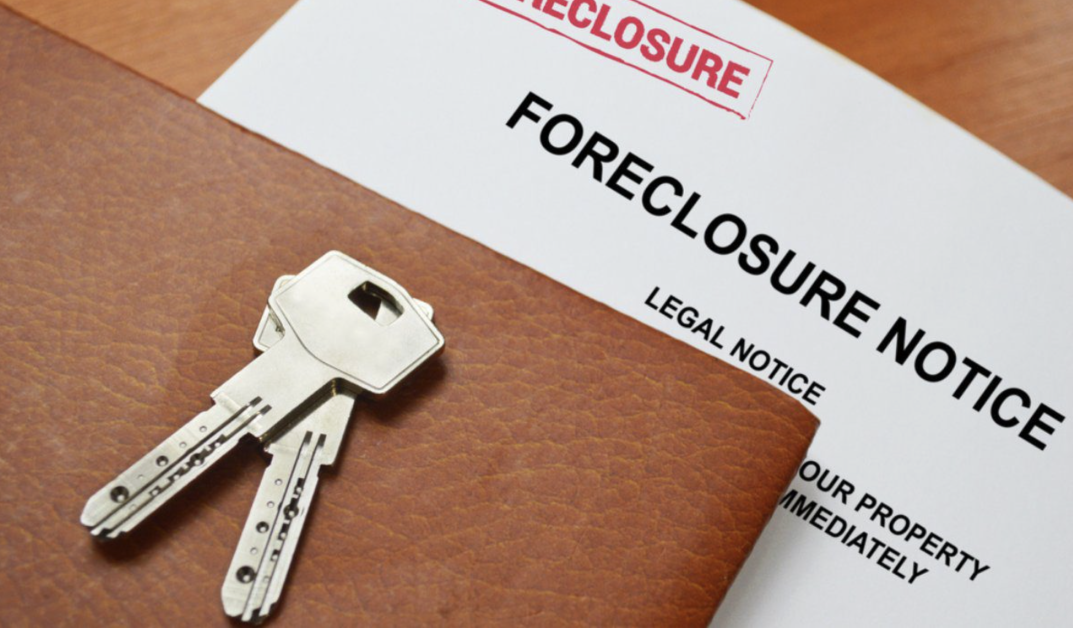
Foreclosures Explained: What They Mean, Risks, and Smart Financial Strategies
What is a Foreclosure?
Foreclosures are a double-edged sword in the financial and real estate world. On one hand, they present opportunities for investors and buyers to purchase properties at below-market prices, potentially yielding significant returns after renovations or resale. On the other hand, foreclosures carry risks, such as legal complications, hidden debts, property damage, and negative impacts on credit scores. Understanding both sides is crucial before making any financial move.
Why Are People Looking for Foreclosures?
Many people search for foreclosures as investment opportunities. Buying a foreclosure can provide a chance to purchase property below market value. Investors and homebuyers alike are attracted to foreclosures because:
Discounted Prices: Homes in foreclosure are often priced lower than market value.
Investment Potential: Investors can renovate and sell for profit.
Quick Purchase Options: Some lenders are motivated to sell quickly, offering buyers leverage.
However, the allure of savings comes with its own risks and hidden challenges.
Common Traps in Foreclosure Deals
Buying a foreclosure isn’t without risk. Some traps include:
Hidden Liabilities: Outstanding taxes, utility bills, or liens can transfer to the new owner.
Property Damage: Homes may be neglected or vandalized, requiring costly repairs.
Complex Legal Processes: Foreclosure laws vary by state, making the process tricky for first-time buyers.
Being aware of these traps helps buyers avoid financial pitfalls and unexpected costs.
Tactics to Avoid Foreclosure Traps
Smart buyers and homeowners can avoid foreclosure-related problems by following these tactics:
Due Diligence: Research property history, liens, and neighborhood conditions.
Hire Professionals: Use real estate agents, lawyers, and inspectors experienced in foreclosures.
Negotiate with Lenders: Sometimes lenders prefer loan modifications or short sales over full foreclosure.
Understand Market Value: Don’t get lured solely by low prices; assess potential resale and renovation costs.
Loans vs Credit Cards: Navigating Debt Strategically
When managing finances around potential foreclosure risks, understanding loans versus credit cards is essential:
Loans: Generally have lower interest rates and structured repayment plans. Mortgages, personal loans, or auto loans can be used strategically if payments are manageable.
Credit Cards: High interest rates make them riskier for long-term debt but useful for short-term liquidity or emergency expenses.
Pitfalls: Over-reliance on credit cards can escalate debt, while taking multiple loans without proper planning can strain finances.
Advantageous Use:
Consolidate high-interest credit card debt into lower-interest personal loans.
Use credit cards for controlled, essential spending with prompt repayment to build credit.
How to Use Both Loans and Credit Cards to Your Advantage
Debt Prioritization: Focus on paying high-interest debts first.
Emergency Fund: Use a mix of credit cards and personal loans to maintain liquidity without falling behind on essential payments.
Credit Score Management: Responsible use of credit cards while paying loans on time improves creditworthiness, aiding in refinancing or mortgage negotiations.
Understand What Impacts Your Credit Score- Your credit score is calculated based on several factors:
Payment History (35%) – Timely payments on loans, credit cards, and bills. Missed payments significantly lower your score.
Credit Utilization (30%) – The percentage of your credit limits you’re using. Keep it below 30% for optimal scores.
Length of Credit History (15%) – The longer your accounts are open, the better your score. Avoid closing old credit cards unnecessarily.
Credit Mix (10%) – A healthy mix of credit types (mortgages, credit cards, loans) improves your score.
New Credit Inquiries (10%) – Multiple loan or credit applications in a short time can lower your score.
When and How to Discuss Foreclosures
If facing potential foreclosure, timing and approach are critical:
Early Communication: Contact your lender as soon as you anticipate trouble. They may offer loan modification or repayment plans.
Professional Advice: Seek advice from financial advisors or housing counselors before signing any agreements.
Negotiation Opportunities: Explore short sales, repayment plans, or refinancing options.
Being proactive can save credit scores, prevent property loss, and maintain financial stability.
Why Are People Looking for Foreclosures?
Investors and homebuyers search for foreclosures due to:
Discounted Prices – Homes below market value.
Investment Potential – Renovate and sell for profit.
Quick Purchase Options – Lenders often motivated to sell fast.
Tip: Always consider hidden costs when evaluating foreclosure deals.
Common Traps in Foreclosure Deals
Foreclosure deals carry risks like:
Hidden Liabilities – Taxes, liens, or unpaid utilities.
Property Damage – Neglect or vandalism may require costly repairs.
Complex Legal Processes – State laws vary and can complicate purchases.
Here are TOP 5 States and their law on Forclosures:
1. New Jersey – Judicial Foreclosure with Strong Debtor Protections
Process: New Jersey mandates judicial foreclosure, requiring lenders to file a lawsuit in court before proceeding with foreclosure.
Debtor Protections: The New Jersey Fair Foreclosure Act provides substantial protections for homeowners, including mandatory notice requirements and the right to cure defaults, offering debtors multiple opportunities to retain their homes.
Duration: The foreclosure process in New Jersey is among the longest in the U.S., averaging over three years due to these protective measures.
2. California – Nonjudicial Foreclosure with Limited Redemption Rights
Process: California predominantly employs nonjudicial foreclosure, allowing lenders to foreclose without court involvement, streamlining the process.
Redemption Rights: The state provides a limited right of redemption, permitting homeowners to reclaim their property under specific conditions after a foreclosure sale.
Deficiency Judgments: California prohibits deficiency judgments in nonjudicial foreclosures, protecting homeowners from owing the remaining debt after a foreclosure sale.
3. Florida – Judicial Foreclosure with Extended Timelines
Process: Florida requires judicial foreclosure, necessitating court involvement for the foreclosure process.
Timeline: The foreclosure process in Florida can be lengthy, often taking several years, due to court backlogs and procedural requirements.
Homestead Exemption: Florida offers a strong homestead exemption, providing significant protection for a primary residence against certain creditors.
4. Texas – Nonjudicial Foreclosure with Short Redemption Period
Process: Texas utilizes nonjudicial foreclosure, allowing lenders to foreclose without court intervention, expediting the process.
Redemption Rights: Homeowners have a brief redemption period, typically 180 days, to reclaim their property after a foreclosure sale.
Deficiency Judgments: Texas permits deficiency judgments following foreclosure, potentially holding homeowners liable for any remaining debt.
5. New York – Judicial Foreclosure with Home Equity Theft Prevention Act
Process: New York mandates judicial foreclosure, requiring court proceedings for foreclosure actions.
Home Equity Theft Prevention Act (HETPA): This law protects homeowners from predatory practices by requiring specific disclosures and a five-day right of rescission for certain contracts during foreclosure.
Redemption Rights: New York provides a right of redemption, allowing homeowners to reclaim their property under certain conditions after a foreclosure sale.
Understanding these state-specific foreclosure laws is essential for homeowners and investors navigating the real estate market. Each state's unique processes and protections can significantly impact the outcome of foreclosure proceedings.
For a comprehensive overview of foreclosure laws across all 50 states, you may refer to resources like Nolo's 50-State Chart on Key Aspects of State Foreclosure Law nolo.com and Justia's Foreclosure Laws and Procedures: 50-State Survey .
Conclusion: Navigating Foreclosures with Confidence
Foreclosures can be both a challenge and an opportunity. For homeowners, they signal the need for proactive financial management and early communication with lenders to avoid property loss and protect credit scores. For investors, foreclosures offer the chance to acquire properties below market value—but only if approached with careful research, awareness of potential legal and financial traps, and strategic planning.
By understanding the complex legal processes, managing debt wisely through loans and credit cards, and leveraging professional guidance when necessary, individuals can make informed decisions that safeguard their financial future. Ultimately, success in navigating foreclosures depends on preparation, vigilance, and smart decision-making, turning what might seem like a financial risk into an opportunity for stability and growth.
Written by Tommy Thounaojam ( key editor for Micromunch)
You may Also Like

Taking a bigger bite out of the apple: John Ternus

Iran-US De-escalation: What It Means for Dubai Businesses, Indian Companies, Real Estate and Travel Recovery in 2026