Five Businesses That Started With $5,000—and Became Multi-Million-Dollar Companies

Five Businesses That Started With $5,000—and Scaled Into Multi-Million-Dollar Companies
In the startup world, access to capital is often treated as destiny. Venture funding, large seed rounds, and high-profile investors dominate headlines. But some of the most durable and profitable companies of the past few decades began with remarkably small amounts of money—often no more than $5,000.
These businesses didn’t scale through aggressive fundraising. They grew through customer demand, founder-led execution, and disciplined reinvestment. Their stories offer a counterpoint to the idea that meaningful scale requires massive upfront capital.
Here are five companies that started lean and became multi-million-dollar businesses.
Spanx: From a Personal Frustration to a Global Brand
Founder: Sara Blakely
Startup capital: ~$5,000
Industry: Apparel
Outcome: Billion-dollar brand at peak valuation

Sara Blakely launched Spanx in 2000 using $5,000 in personal savings earned from selling fax machines door to door. With no background in fashion or manufacturing, she focused on a single problem: uncomfortable and ineffective undergarments for women.
Blakely handled nearly every aspect of the early business herself. She wrote her own patent application, cold-called manufacturers, and personally pitched retailers. One early breakthrough came when a Neiman Marcus buyer agreed to stock Spanx after Blakely demonstrated the product in person.
Spanx grew primarily through word of mouth and retail partnerships, avoiding outside investment for years. Blakely retained full ownership through much of the company’s expansion, a rarity in consumer goods.
Why it worked: A simple product, tight cost control, and founder-led sales.
Mailchimp: A Side Project That Became a $12 Billion Exit
Founders: Ben Chestnut and Dan Kurzius
Startup capital: Under $5,000
Industry: Software (SaaS)
Outcome: Acquired by Intuit for ~$12 billion in 2021
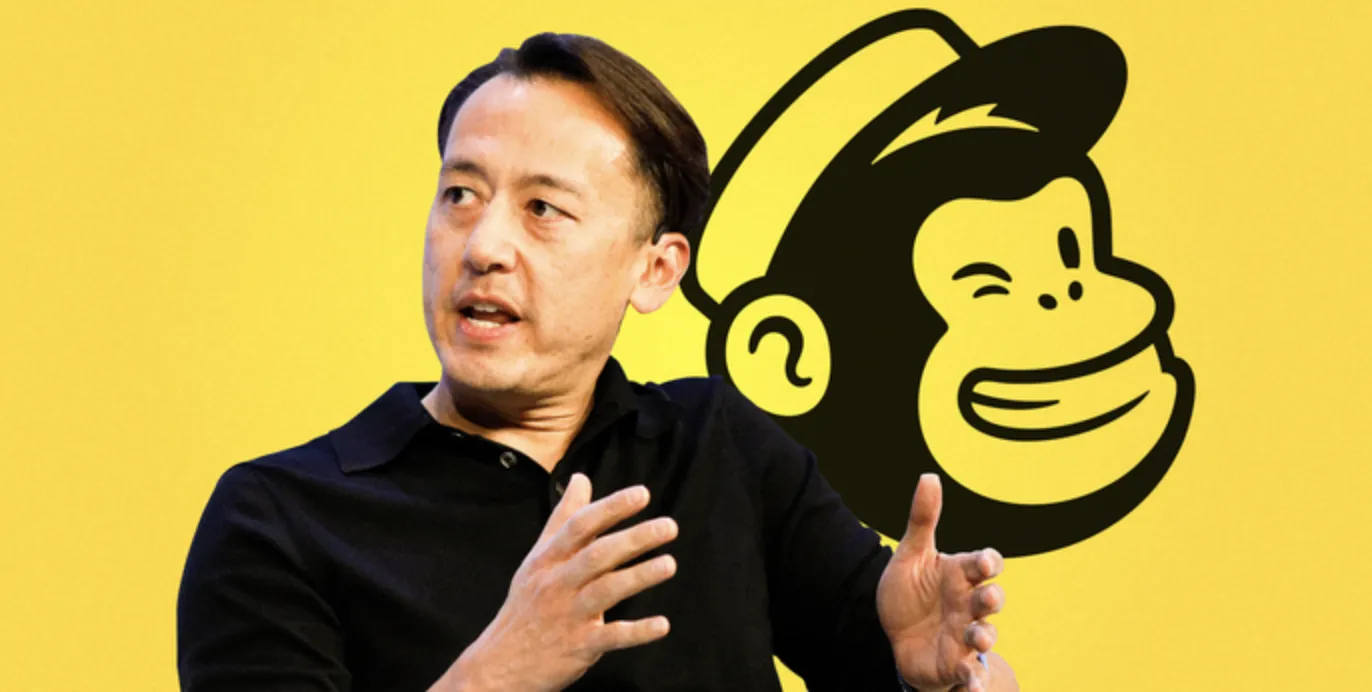
Mailchimp began in 2001 as a side project inside a small web design agency. The founders built the email marketing tool to serve their own clients before realizing it had broader appeal.
Instead of raising venture capital, Chestnut and Kurzius grew Mailchimp slowly, reinvesting profits and focusing on small businesses overlooked by enterprise software providers. The company emphasized usability and transparent pricing, differentiating itself in a crowded market.
By the time Mailchimp was acquired, it was generating hundreds of millions in annual revenue and was one of the most profitable SaaS companies in the world.
Why it worked: Organic growth, profitability-first thinking, and long-term independence.
GoPro: Selling Cameras From a Van
Founder: Nick Woodman
Startup capital: ~$5,000 (plus small personal loans)
Industry: Consumer electronics
Outcome: Multi-billion-dollar public company at peak
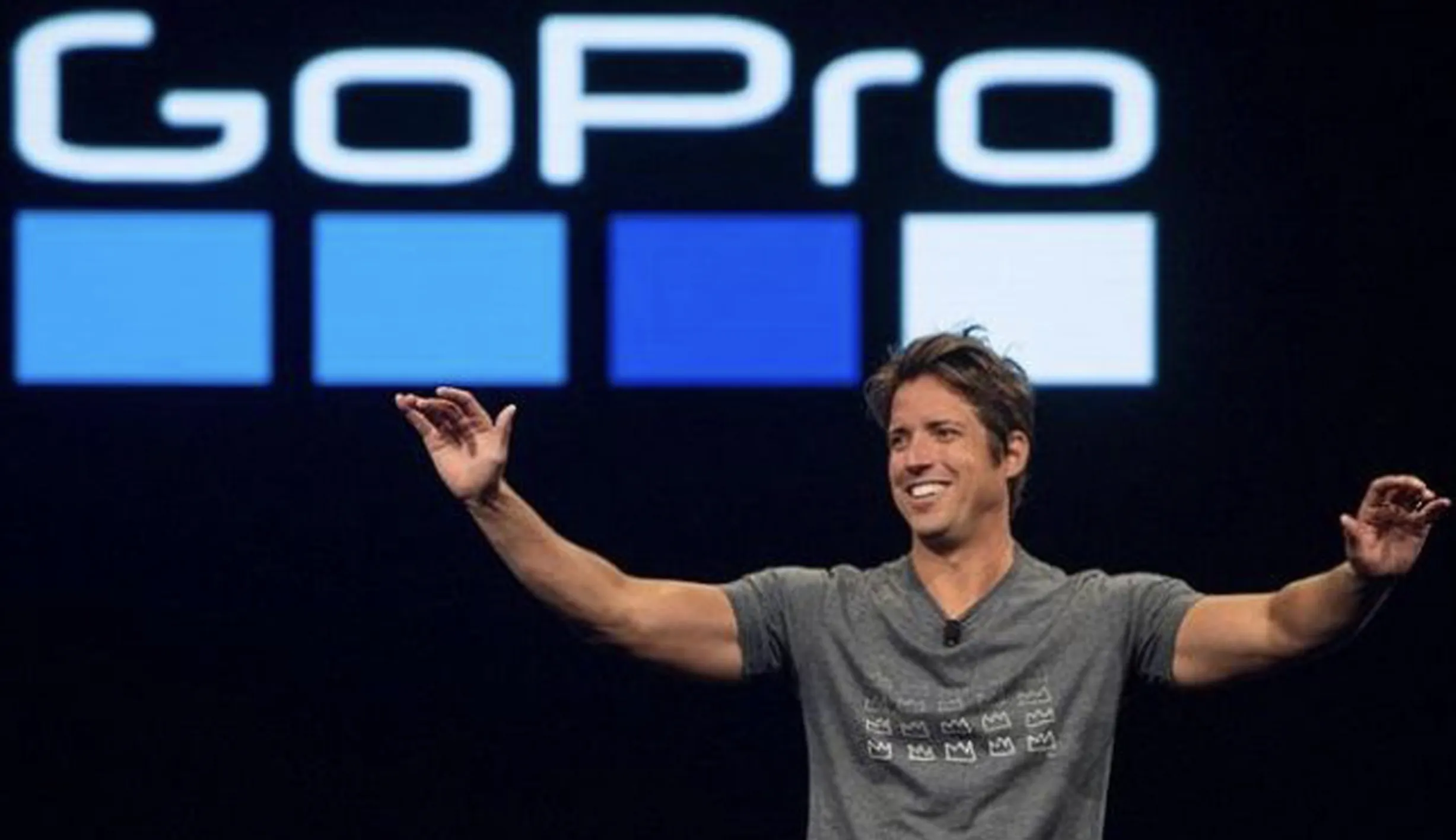
Nick Woodman founded GoPro after a failed startup and a surf trip that highlighted a gap in the market: affordable, durable cameras for action sports.
With limited funds, Woodman began by selling wrist-mounted cameras at surf competitions and out of his vehicle. Early growth was driven by direct sales and reinvestment, not advertising budgets.
GoPro’s rise accelerated with the growth of YouTube and social media, as user-generated videos became the company’s most powerful marketing tool. While GoPro’s market value later fluctuated, it remains a global brand with multi-million-dollar revenues.
Why it worked: Timing, distribution, and turning customers into marketers.
Under Armour: Built in a Basement, Sold to Athletes
Founder: Kevin Plank
Startup capital: ~$5,000
Industry: Sportswear
Outcome: Public company with billions in revenue at peak
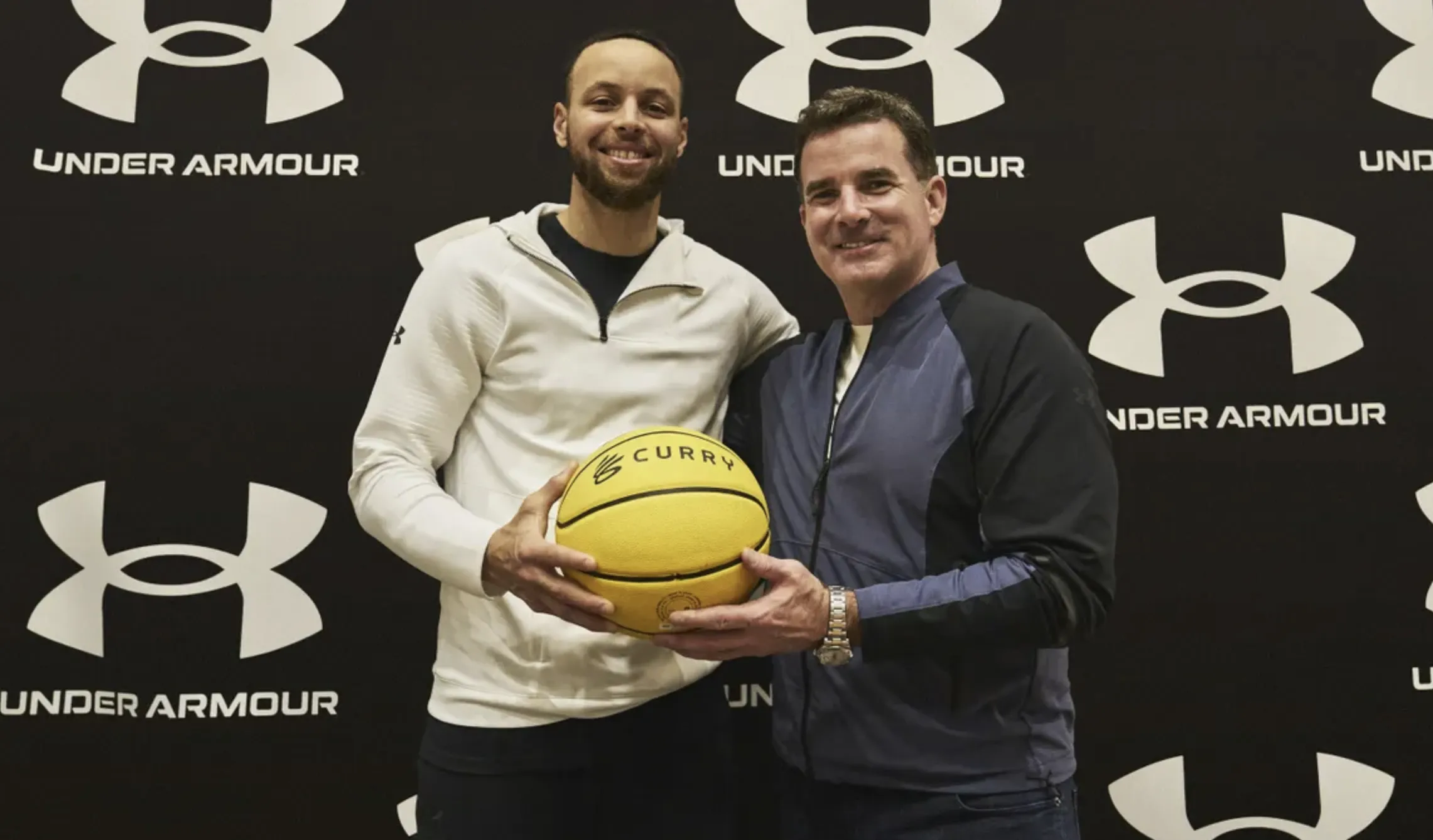
Kevin Plank started Under Armour in 1996 from his grandmother’s basement. A former college football player, Plank identified a specific problem: cotton athletic shirts trapped sweat and reduced performance.
With limited capital, he focused on selling directly to college teams and professional athletes. Early adoption by football programs gave Under Armour credibility, which helped the brand expand rapidly.
The company went public in 2005 and reshaped the athletic apparel market by emphasizing performance over fashion.
Why it worked: Solving a niche problem with a clear performance advantage.
Patagonia: A Small Tooling Investment That Became a Global Brand
Founder: Yvon Chouinard
Startup capital: ~$5,000 (early equipment investment)
Industry: Outdoor apparel
Outcome: Billion-dollar annual revenue business
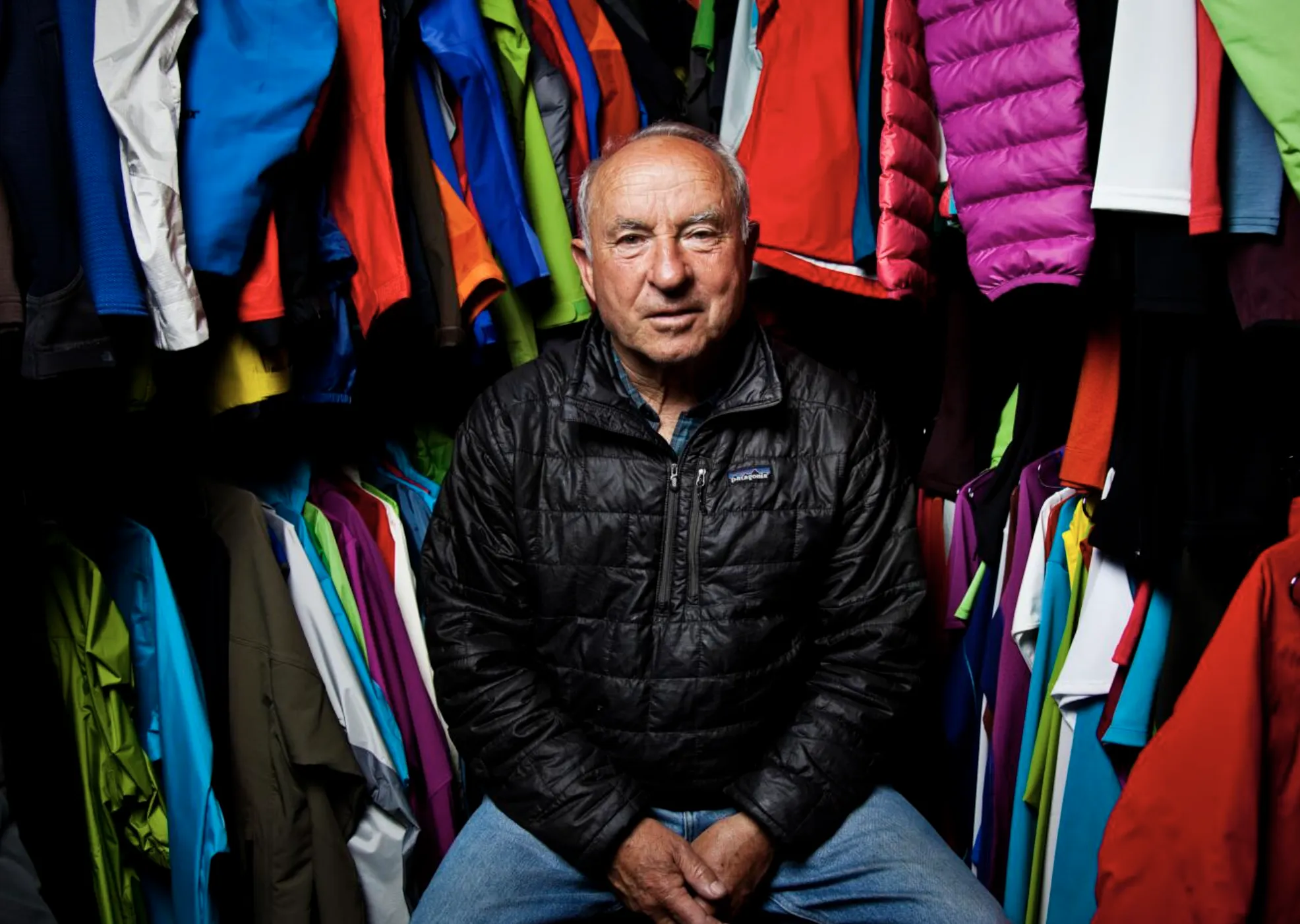
Patagonia’s origins trace back to Yvon Chouinard’s small climbing equipment operation. With a modest investment in forging tools, Chouinard began selling reusable climbing pitons directly to climbers.
The business expanded organically, first in hardware and later in apparel, driven by demand rather than aggressive scaling. Patagonia’s emphasis on quality and environmental responsibility became a core differentiator long before sustainability was a mainstream business strategy.
While Patagonia is now a global company, its foundation was built on restraint, reinvestment, and long-term thinking.
Why it worked: Product integrity and values-driven growth.
What These Businesses Share
Despite operating in different industries, these companies followed similar principles:
They started with limited capital and strict cost control
Founders led early sales and product development
Profits were reinvested rather than extracted
Growth followed customer demand, not investor timelines
None relied on massive funding to validate their ideas. Instead, they used revenue as proof.
The Bigger Picture
These stories don’t suggest that funding is irrelevant. Capital can accelerate growth and reduce risk. But they do challenge the assumption that large sums are a prerequisite for success.
For founders, the lesson is clear: execution, timing, and customer focus often matter more than the size of the first check.
In an era dominated by funding announcements, these businesses offer a quieter—but enduring—model of how companies are actually built.
You may Also Like

Corporate Cuts and Personal Comebacks: How a pink slip isn’t the end of the road!

Understanding a Rally Stock: How Triveni surprised Investors