Berkshire Hathaway Surprises Wall Street With Massive Alphabet Investment — Is This the Start of a New Tech Era for Buffett?
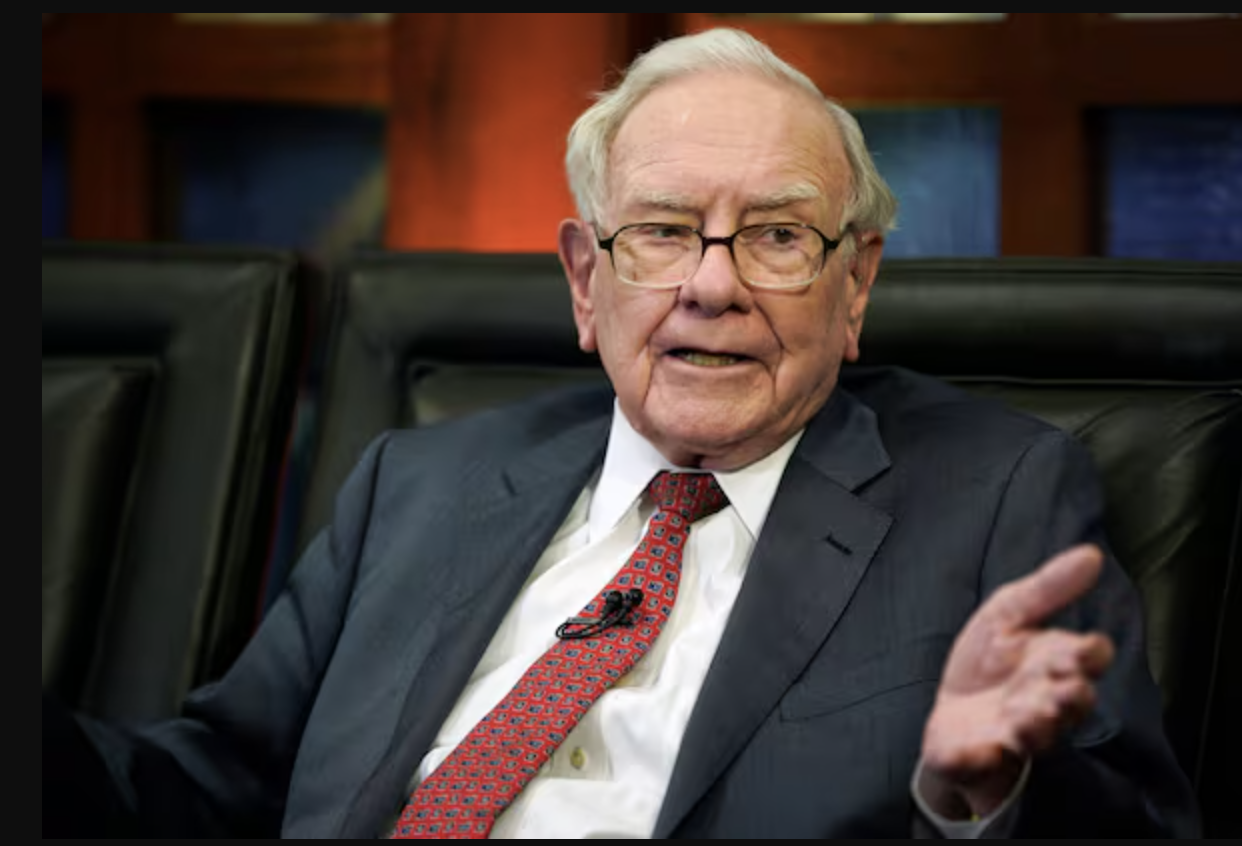
Warren Buffett (Berkshire) Pivots: a $4.3B Alphabet Bet, Apple Trimmed — What it Means
TL;DR: In Berkshire Hathaway’s Q3 2025 filings the firm disclosed a new ~$4.3 billion position in Alphabet (Google’s parent) while trimming Apple. This is a meaningful tactical move from a historically tech-cautious investor and comes on top of Berkshire’s record cash pile (~$381.7 billion). The purchase is a passive equity stake (13F disclosure), not an acquisition; it signals confidence in Alphabet’s AI/cloud story and portfolio rebalancing rather than a strategy to “move” Apple’s market cap. Key facts and market context below.
What happened
1. Berkshire disclosed it bought about 17.85 million Alphabet shares in Q3, a position valued at ~$4.3 billion, making Alphabet one of Berkshire’s top ten holdings.
2. At the same time Berkshire reduced its Apple holding (Apple remains a very large position but smaller than before).
3. Berkshire’s cash and short-term investments sit at a record $381.7 billion (the largest corporate cash pile in its history).

Why buy Alphabet now
1. AI & cloud growth story. Alphabet has been one of the biggest beneficiaries of renewed investor interest in AI and cloud services. Buying Alphabet is a play on durable revenue streams (search & ads) plus fast-growing AI/cloud exposure. Berkshire’s purchase is consistent with picking companies that combine durable cash flow with secular growth.
2. Portfolio diversification and recalibration. Berkshire has been a net seller of equities in recent quarters and has been reshaping its holdings (selling some tech gains and redeploying into other opportunities). The move into Alphabet looks more like rebalancing from positions Berkshire trimmed (Apple, others) than a turn to active tech speculation.
3. Bargain hunting from a huge cash war chest. With $381.7B in cash, Berkshire can pick large, high-quality stakes when it sees them — especially as markets reprice tech winners. That cash gives optionality to buy more if prices are attractive.
4. Berkshire actually trimmed Apple in Q3 — it didn’t add. So the large move was into Alphabet, not additional Apple buying. That matters: the firm is reallocating capital within its giant portfolio rather than doubling down further on Apple.
○ Type: an open-market equity stake disclosed via regulatory filings (13F). It is a passive/portfolio investment, not a takeover or strategic partnership. That’s the usual meaning when Berkshire discloses a multi-billion share purchase.
Are other companies investing the same amount in Alphabet (or its competitors)?
○ No public headline in the last filings shows another single investor openly buying a fresh multi-billion stake in Alphabet that matches Berkshire’s ~$4.3B disclosure. Institutional moves happen all the time, but Berkshire’s new position attracted attention because of its size and the firm’s profile. Smaller buys by mutual funds, ETFs, politicians’ disclosures, or insiders do surface, but none matched this exact magnitude publicly in the same quarter.
○ As for Alphabet’s competitors (Microsoft, Amazon, Nvidia, Meta): large institutional investors routinely adjust exposures, but there’s no singular headline of a rival investor placing a fresh multi-billion public bet in the same quarter that mirrors Berkshire’s Alphabet buy. The landscape is competitive—investors allocate among several big tech names depending on which AI/cloud narratives they prefer.
What it means for Berkshire Hathaway
1. Active rebalancing rather than abandon-ship. Berkshire is reshaping its tech exposure — taking chips off the table in Apple and redeploying part of the proceeds into other tech leaders (Alphabet) while still holding massive cash. This is consistent with portfolio managers (and Buffett historically) taking profits and redeploying when they see attractively priced long-term opportunities.
2. Signal to markets — but not a takeover threat. A purchase from Berkshire is often read as a confidence vote. Yet, because this is an equity purchase disclosed on a 13F and not a strategic bid, it’s a market signal rather than a corporate control move.
3. Balance sheet optionality remains huge. The record cash pile (~$381.7B) means Berkshire still has the capacity for much larger deals if management chooses — from sizable equity stakes to acquisitions — which keeps investors’ attention on what Buffett (and successors) might do next.
Does this move matter for the global economy?
➡ Symbolically important: When a high-profile investor like Berkshire reallocates hundreds of billions of dollars of capital across markets, it influences investor sentiment — particularly toward the sectors it favors (here: AI/cloud/advertising tech). That can lift valuations and capital flows into the sector.
➡ Practically limited: A single firm buying $4.3B into Alphabet is small relative to global equity market turnover and the multi-trillion dollar market caps involved. So the macroeconomic effects are modest unless it triggers widespread allocation changes by other major investors.
➡ Longer term: Berkshire’s behavior (cash accumulation, selective buys) reflects caution at the top of a market cycle and can signal that investors should watch valuations and take a longer-term view. If Berkshire deploys large portions of its cash later into M&A or bulk equity buys, that could have larger ripple effects.
Risks & what to watch next
➡ Who decided the trade? Berkshire’s portfolio managers (Todd Combs, Ted Weschler) have made many of the active trading decisions; it’s often unclear whether Buffett personally directed a particular buy. That can affect how the market interprets the signal.
➡ Macro & valuation risk: Tech valuations and interest-rate moves remain the dominant risks. If rates surprise higher or AI hype cools, Alphabet (and peers) could reprice.
➡ Follow-ups to watch: Further 13F filings, any Form 4 insider disclosures, or Berkshire quarterly commentary about motivations and whether more capital will be deployed.
Bottom line (actionable summary)
Berkshire’s ~$4.3B Alphabet stake matters as a strategic portfolio reallocation and as a high-profile vote of confidence in Alphabet’s AI/cloud trajectory — but it’s not large enough to materially change the valuations of mega-cap peers like Apple by itself.
The firm’s record cash pile (~$381.7B) is the larger long-term story: it keeps Berkshire in a position to make much larger, market-moving decisions later.
You may Also Like
HiLITE Group’s ₹20 Crore Employee Car Gifts Put Kerala Firm Alongside Google, NVIDIA and Reliance
Corporate Cuts and Personal Comebacks: How a pink slip isn’t the end of the road!