When Movies Become Bad Investments: A Satirical Look at Cinema’s Costliest Flops
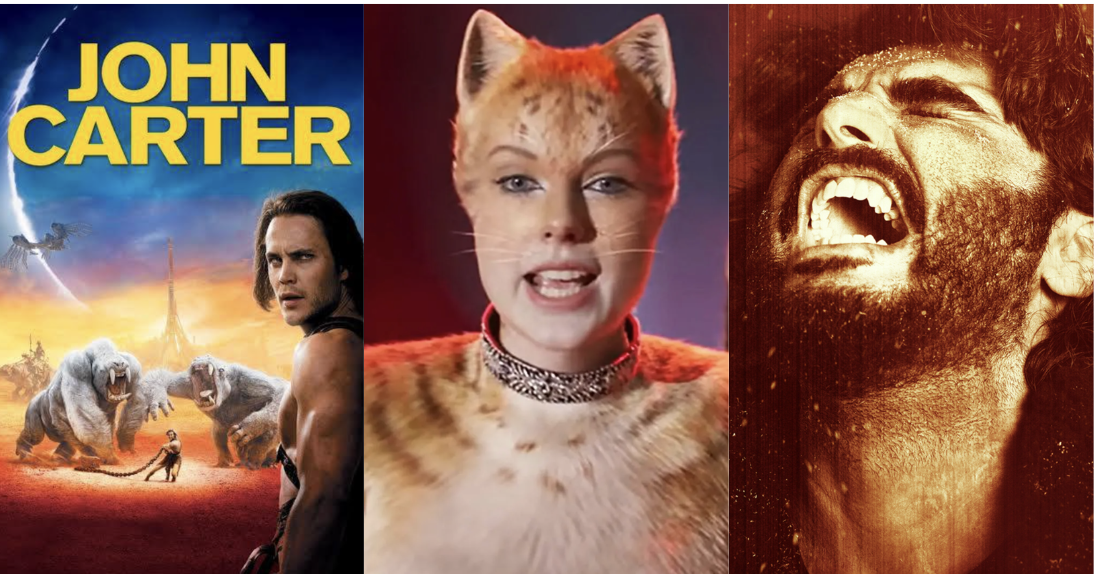
There are risky investments, and then there are movies greenlit with the confidence of a bull market and the outcomes of a crypto rug pull.
Cinema, after all, is not just art—it’s capital allocation. Somewhere between a pitch deck, a casting announcement, and a trailer drop, a group of very smart people agree to deploy hundreds of millions of dollars on one central assumption:
People will show up.
Sometimes they do.
Sometimes they really, really don’t.
And when they don’t, the losses are so dramatic they deserve their own balance sheet—and possibly a warning label.
Case Study 1: The Adventures of Pluto Nash— When Blue-Chip Stars Go Penny Stock

Investment: ~$100 million
Return: ~$7 million
This wasn’t an indie passion project. This was Eddie Murphy, at peak brand value, packaged inside a futuristic comedy that looked like a franchise starter.
Instead, it became the Enron of star-driven cinema.
Audiences didn’t short it. Critics didn’t downgrade it. The market simply refused to trade it at all.
If this were a stock, analysts would still be writing notes titled “What Were We Thinking?”
Case Study 2: Mars Needs Moms — Technology-Heavy, Emotion-Light
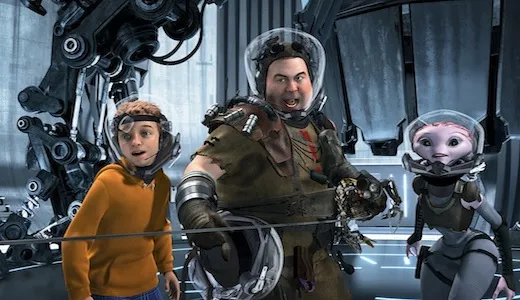
Investment: ~$150 million
Estimated loss: ~$200 million
Disney treated motion-capture like a growth stock: high future potential, cutting-edge tech, long-term upside.
What they forgot was the core metric: customer sentiment.
Kids found it unsettling. Adults felt nothing. The tech worked beautifully—just not in service of a story anyone wanted.
The result? A write-off so clean it effectively ended an entire animation strategy.
A reminder that innovation without demand is just a well-funded hobby.
Case Study 3: John Carter — Premium Valuation, Zero Brand Recall

Investment: ~$260 million
Outcome: Technically not a total loss. Spiritually devastating.
On spreadsheets, John Carter survived. In culture, it vanished.
The marketing failed to explain:
Who the movie was for
Why it mattered
Or why anyone should care
This is what happens when a product has no elevator pitch. In finance terms, high capex, zero narrative.
A masterclass in how confusion is more expensive than bad reviews.
Case Study 4: Cats— When Volatility Becomes the Product
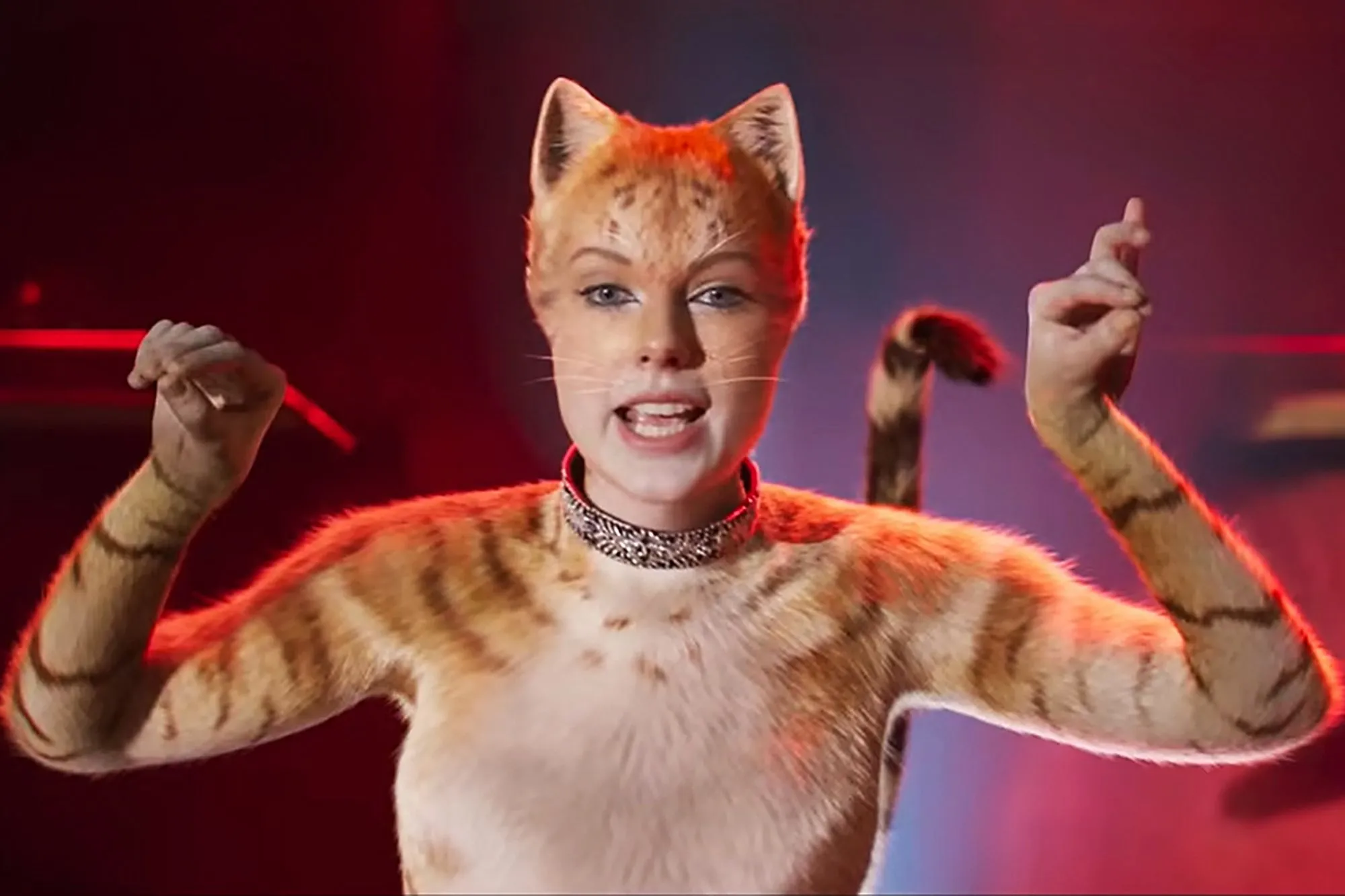
Investment: ~$100 million
Return: ~$75 million
If Cats were an asset, it would be a meme stock—wild volatility, intense online chatter, and absolutely no correlation with fundamentals.
Audiences didn’t hate it. They processed it collectively, like a traumatic economic event.
The irony? The film achieved peak awareness after release. Unfortunately, awareness without willingness to pay is just brand recognition with no revenue model.
Case Study 5: The Lady Killer— Negative Returns, Existential Edition
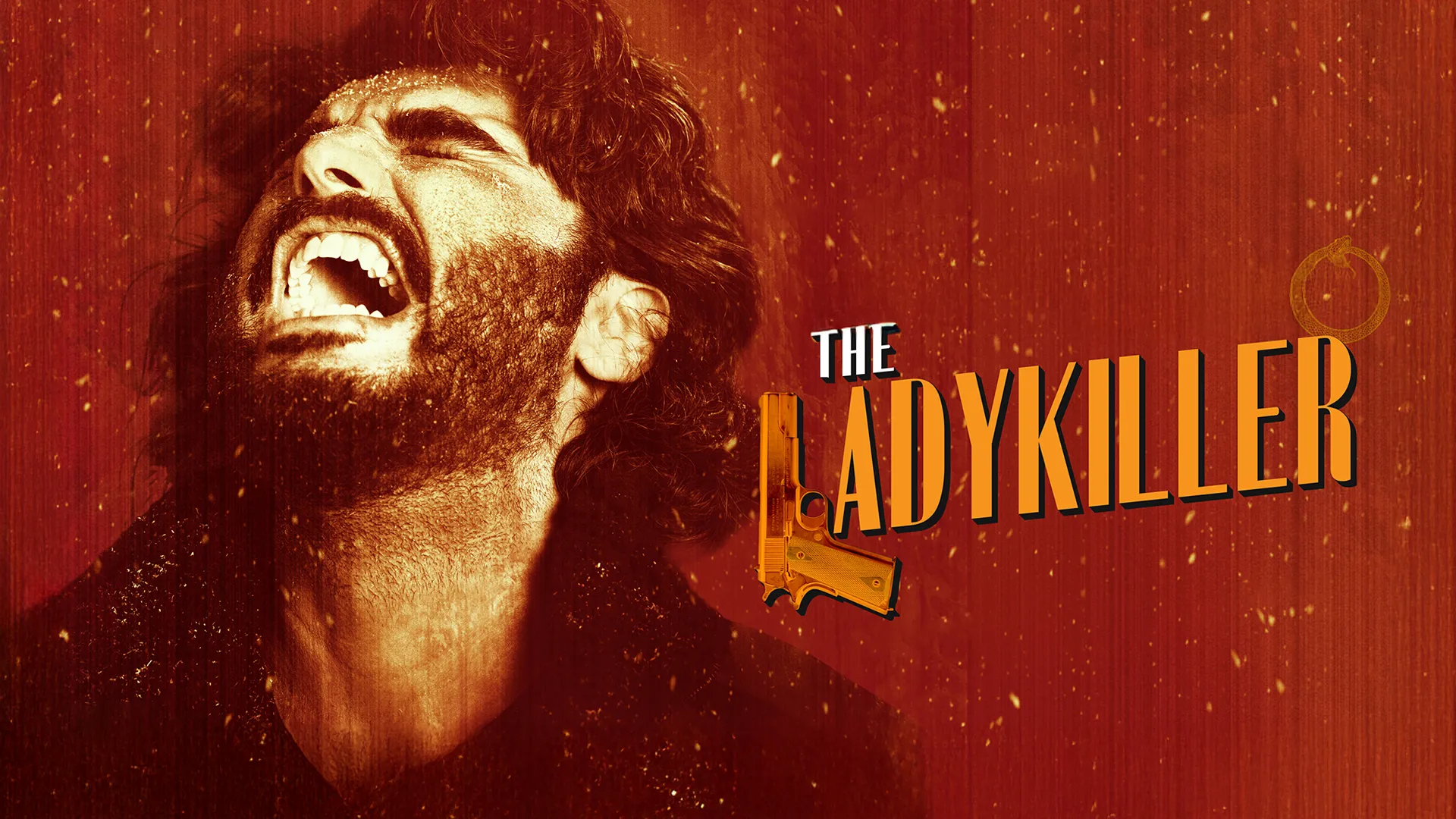
Investment: ~₹45 crore
Theatrical return: Under ₹1 lakh
This isn’t a flop. This is a statistical anomaly.
A fully produced, theatrically released film that earned less than the catering budget of its own premiere.
And yet—some viewers later said it wasn’t even that bad.
Which makes this the most frightening category of all:
A product that failed not because it was rejected, but because it was ignored.
In finance, this is worse than a crash. It’s irrelevance.
What the Market (a.k.a. the Audience) Keeps Telling Us
Across continents, languages, and budgets, the pattern is consistent:
Confidence ≠ demand
Scale ≠ safety
Spending ≠ strategy
These films weren’t destroyed by critics alone. They were undone by assumptions masquerading as certainty.
Closing Bell: A Modest Investment Lesson from Cinema
Cinema keeps offering the same brutal but valuable insight:
You can outspend risk, but you cannot outthink the market.
Every one of these films was backed by committees, projections, star power, and confidence. And every one of them forgot the most basic rule of investing:
If people don’t believe in it, the valuation is imaginary.
Somewhere, right now, another expensive movie is being greenlit with a straight face and a hopeful slide deck.
And if history is any guide, the market is already preparing its response.
You may Also Like

Samsung Becomes South Korea’s First $1 Trillion Company: How AI, HBM Chips & Galaxy Devices Fueled Its Historic Rise

Taking a bigger bite out of the apple: John Ternus