When AI Became Something You Could Buy: Meta and Alphabet’s Consumer Bet in 2025
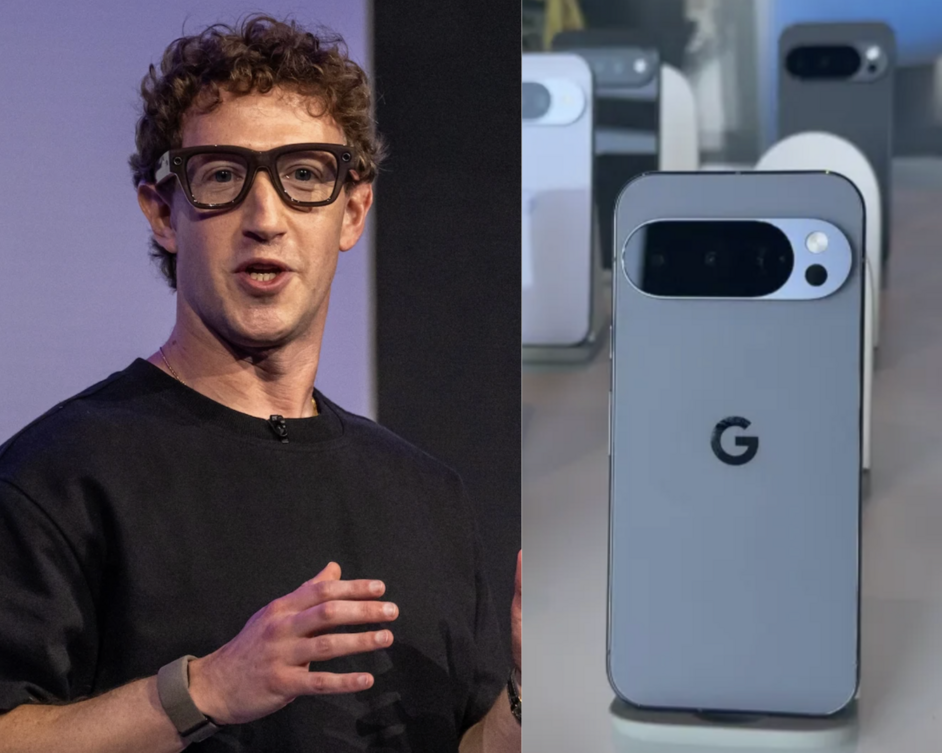
For much of the past decade, artificial intelligence lived behind screens—impressive, abstract and largely invisible to consumers. In 2025, that changed. AI moved into pockets, onto faces and quietly into kitchens, forcing consumers to decide not just whether AI worked, but whether it was worth paying for.
Two companies framed that choice more clearly than any others: Meta Platforms Inc. and Alphabet Inc. Their products revealed a deeper divide in how Big Tech now courts consumers—one through bold new form factors, the other through familiar devices made incrementally smarter.
Meta: Selling the Future at a Premium
Meta’s consumer strategy in 2025 revolved around a single idea: if the smartphone is no longer the only screen that matters, the next interface must be worn.

Its Ray‑Ban Meta smart glasses—and newer Oakley-branded variants—became the company’s flagship consumer bet. Equipped with cameras, microphones and AI assistants, the glasses promised hands-free photos, real‑time context and seamless sharing across Meta’s social platforms.
Prices, however, told a more sobering story. Entry models hovered near the upper hundreds of dollars, while display‑equipped versions approached flagship smartphone territory. Reviews praised design, audio quality and novelty, but consumer feedback consistently returned to one question: What problem does this solve every day?

The answer, for now, appealed most to creators, athletes and early adopters. Mainstream buyers admired the idea, then hesitated at checkout.
Meta’s virtual‑reality business, meanwhile, grew quieter. The company reduced emphasis on multiple Quest headsets, narrowing focus and budgets. Enthusiasts stayed loyal; casual consumers largely stayed away.
What emerged was a clear signal: Meta is willing to trade volume for optionality, betting that today’s niche hardware becomes tomorrow’s platform.
Alphabet: Making AI Disappear Into Everyday Life
Alphabet took the opposite approach. Rather than asking consumers to learn new habits, it embedded AI into devices they already understood.
The Pixel 9a exemplified the strategy. Priced firmly in the midrange, the phone delivered strong cameras, long battery life and Gemini-powered AI features that worked quietly in the background. Reviews were rarely euphoric—but consistently approving.

In smart homes, Google refreshed Nest cameras, displays and speakers with AI that improved voice recognition and automation rather than radically changing design. Consumers responded positively to reliability and integration, even as some expressed frustration with discontinued legacy products.
Alphabet’s advantage was less spectacle and more trust. Buyers knew what they were getting—and what it would cost.
Pricing, Availability and the Psychology of Adoption
The contrast between the two companies extended beyond design philosophy into distribution and pricing.
Alphabet’s devices were widely available through carriers, retailers and global markets, reinforcing a sense of accessibility. Meta’s hardware, by contrast, remained selective, often requiring explanation, demos or deliberate intent to purchase.
Price sensitivity proved decisive. As inflation and device fatigue shaped consumer behavior, AI features were welcomed—but rarely at any price.
What Consumers Ultimately Said
Across reviews, forums and sales data, a pattern emerged:
Consumers valued AI most when it reduced friction, not when it added complexity.
Novelty attracted attention; utility earned repeat use.
Trust and price outweighed ambition for mainstream buyers.
Meta inspired curiosity. Alphabet earned consistency.
The Quiet Verdict of 2025
By year’s end, neither company had produced a runaway consumer hit powered solely by AI. Instead, 2025 marked a calibration.
Meta tested the edges of what consumers might one day accept. Alphabet refined what consumers already relied upon.
For investors and executives alike, the lesson was subtle but unmistakable: the future of AI hardware will not be decided by what is most impressive—but by what becomes invisible enough to feel indispensable.
In that sense, 2025 was less a breakthrough than a beginning.
You may Also Like
Samsung Becomes South Korea’s First $1 Trillion Company: How AI, HBM Chips & Galaxy Devices Fueled Its Historic Rise
HiLITE Group’s ₹20 Crore Employee Car Gifts Put Kerala Firm Alongside Google, NVIDIA and Reliance