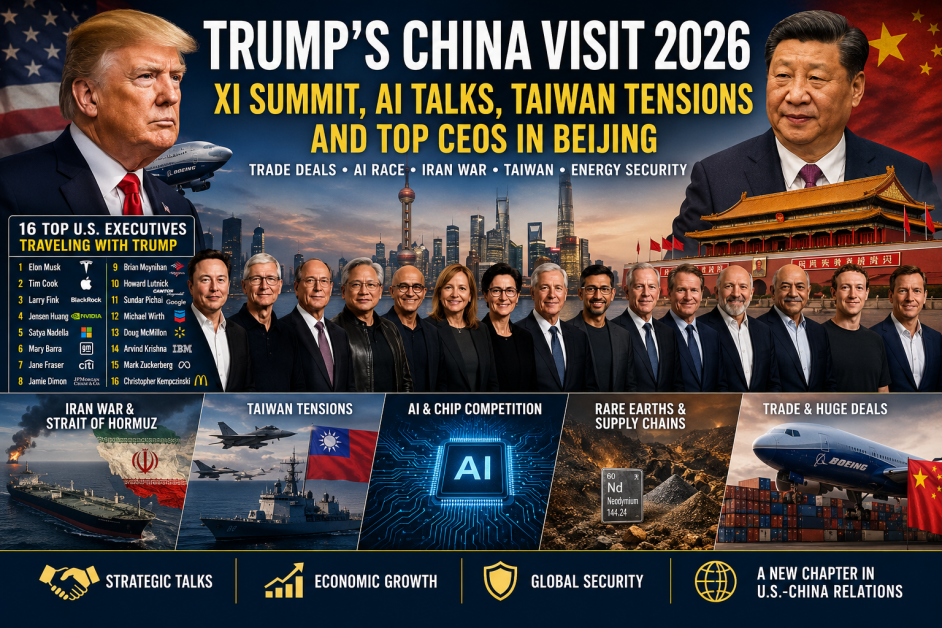
The Strategic Beginning: Elon Musk’s AI Consolidation and the SpaceX–xAI Direction
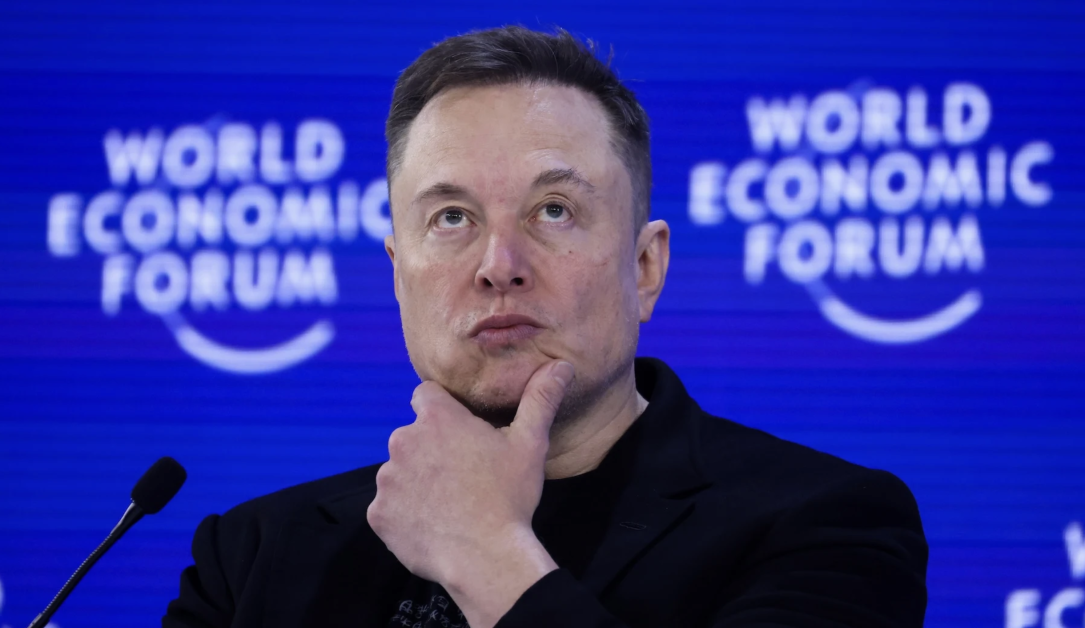
The reported restructuring of Musk’s ventures around artificial intelligence, including SpaceX’s acquisition of xAI and deeper cross-company collaboration, signals a long-term vision of vertically integrated innovation driven by AI infrastructure and automation.
Elon Musk’s recent strategic move of holding off Tesla model S and X production to focus on Tesla AI car is not just about cars anymore; it is about building an integrated AI, robotics, and space-tech ecosystem. Rather than a traditional merger of Tesla and SpaceX, the real direction is strategic alignment, with Tesla investing billions into AI development and SpaceX integrating xAI to power future AI systems, satellite networks, and autonomous technologies. It's a plan made ahead of time.
This positions Musk less as an automotive CEO and more as an AI-industrial strategist heading into 2026.
Production Shift: Tesla Model S & X Discontinued to Focus on AI Robotics
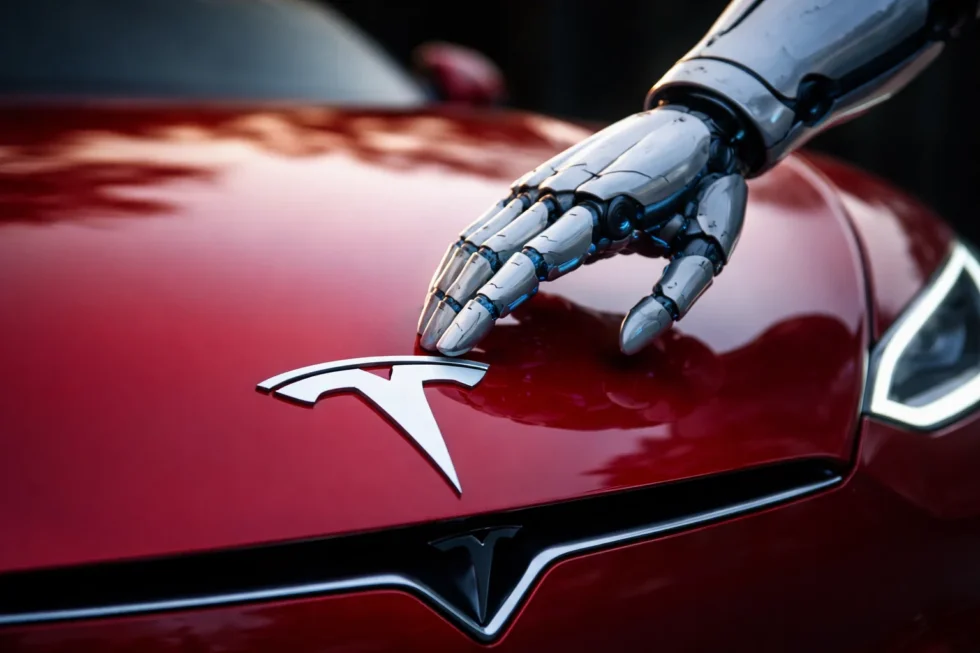
Model S and Model X's discontinued production is one of the most shocking developments. By halting manufacturing at the Fremont factory, the lines will be repurposed for Tesla’s Optimus humanoid robot production, highlighting a structural shift from luxury EV manufacturing toward robotics and automation.
These flagship vehicles now represent less than 3% of Tesla’s total deliveries, with demand increasingly dominated by Model 3 and Model Y.
Tesla is actively repositioning itself as a “physical AI company” rather than just an EV maker. This move shows Musk’s belief that the future revenue engine lies in AI robotics (Optimus), Autonomous mobility (Robotaxi/Cybercab), and Software-driven recurring revenue.
Tesla’s Fourth Quarter Earnings & Market Performance
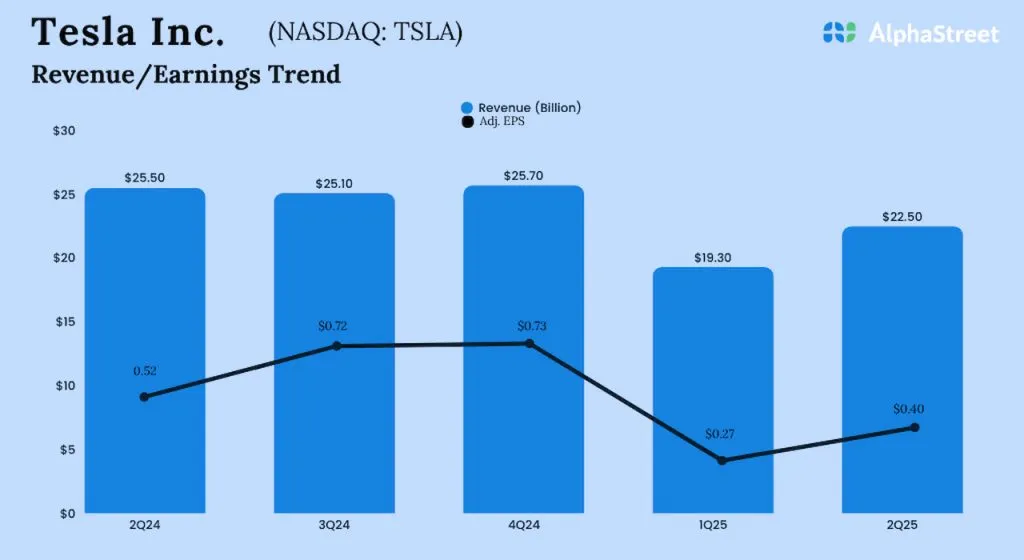
Tesla’s Q4 2025 financial results reflect a transitional phase rather than pure growth. Despite declining vehicle sales, Tesla still beat some Wall Street expectations due to stronger margins and energy storage performance. Market valuation remains massive, hovering around the trillion-dollar range, supported by investor belief in AI, robotics, and autonomous tech potential rather than pure car sales growth. The company reported:
Q4 revenue: approximately $24.9 billion
Full-year revenue: about $94.8 billion
Revenue decline: around 3% year-over-year
Tesla’s Potential and Future Market Value
Ever since Tesla’s launch in 2008, it has been focused on creating clean energy sourced automotive, producing cell and electric battery vehicles, solar panels, and energy storage devices. All working toward a clean future, and with artificial intelligence on the scene, developing an AI-backed automobile is the new vision.
Tesla’s long-term valuation narrative is increasingly evolving beyond a traditional electric vehicle (EV) manufacturer into a multi-vertical technology ecosystem centered on AI, robotics, energy, and autonomy. Initially, Tesla’s valuation was heavily tied to vehicle production, margins, and global EV demand. However, with advancements in Full Self-Driving (FSD), Dojo supercomputing, and AI training models, the company is positioning itself as an artificial intelligence leader. This shift reflects how investors and analysts are beginning to value the company not just on car deliveries, but on its broader technological infrastructure and scalable platforms. Under the leadership of Elon Musk, Tesla is investing heavily in humanoid robotics (Optimus) and factory automation.
Key growth drivers:
$2 billion investment into AI firm xAI
Planned Cybercab production in 2026
Expansion into humanoid robot manufacturing
Tesla’s energy division, including solar panels, Powerwall, and grid-scale battery storage, is becoming a key valuation driver.
Autonomous mobility remains the biggest long-term valuation lever.
If Tesla achieves scalable self-driving and Optimus robots scale to mass production (target: up to 1 million units annually), Tesla could unlock entirely new industrial markets beyond automobiles, dramatically increasing per-vehicle lifetime revenue.
Financial Challenges Elon Musk’s AI Vision May Face
Capital-Intensive AI Expansion
Tesla’s capital expenditure is expected to exceed $20 billion due to AI chips, robotics, and autonomous systems investments. Accumulating that amount or getting investors to readily invest in an idea for visionary plans can be a task, but with a promising future, it may be possible.
Transition Risk
Shifting from vehicles to AI hardware introduces certain obstacles like supply chain complexity, unproven robot demand, and high R&D costs. With the vision ahead, a comprehensive plan and strategic solutions should be in the pipeline to overcome the same.
Revenue Pressure
Tesla already recorded declining annual revenue and slowing vehicle deliveries, indicating a fragile transition phase. Market competition and changing production direction can lead to decreasing stock prices and monetary imbalance; in such a case, having investor undoubted support, and generating revenue can be a task.
Chip and Infrastructure Constraints
Musk has also warned about potential AI chip shortages due to global AI demand, which could slow technological scaling.
Growing Competition: Elon Musk’s AI Tesla vs Chinese EV & Tech Giants

Well, we all know technological developments and competition in the market go hand in hand. And the competition from Chinese companies is intensifying rapidly. Most notably, Tesla lost its position as the world’s largest battery EV manufacturer to Chinese rival BYD in 2025 deliveries. Tesla faces intensifying competition in the Chinese EV market, with market share dropping to 6.9% in 2025.
Where Chinese Companies Are Advancing:
Faster EV production scale
Cost-efficient manufacturing
Integrated AI in vehicles
Government-backed industrial expansion
So it would not be unfair to say that Chinese AI and EV ecosystems are combining software, hardware, and automation, directly challenging Musk’s AI-first strategy.
People Are Curious About:
Does Elon Musk own 100% of Tesla?
Ans) No, Elon Musk does not own 100% of Tesla. He is the largest individual shareholder, but Tesla is a publicly traded company owned by institutional investors, retail shareholders, and funds. His stake fluctuates due to stock sales, compensation packages, and market movements, but it is far below full ownership.
Is Tesla discontinuing the Model S?
Ans) Tesla has not officially discontinued the Model S, but production has slowed compared to newer, high-volume models like Model 3 and Model Y. The Model S remains a flagship premium sedan, though Tesla increasingly prioritizes mass-market vehicles and future AI-driven and autonomous mobility platforms.
What is Elon Musk’s goal with Tesla?
Ans) Elon Musk’s long-term goal with Tesla is to accelerate the global transition to sustainable energy while advancing AI-driven autonomy, robotics, and energy storage. He envisions Tesla as more than a car company, focusing on self-driving technology, energy ecosystems, and scalable manufacturing innovation to reshape transportation and clean energy infrastructure globally.
Does Tesla have a market in China?
Ans) Yes, Tesla has a major and growing market in China, supported by its Shanghai Gigafactory. China is a key hub for production, sales, and exports, with strong demand for electric vehicles. However, Tesla faces intense competition from domestic EV makers and evolving regulatory and pricing pressures in the region.
What country is Tesla’s biggest market?
Ans) The United States remains Tesla’s biggest market in terms of revenue and brand dominance, followed closely by China. The U.S. leads in premium EV adoption and infrastructure, while China contributes significantly to production scale and global deliveries, making both regions strategically critical to Tesla’s growth and expansion plans.
Who is bigger, Tesla or BYD?
Ans) In terms of total vehicle sales, BYD has surpassed Tesla by selling more electric and hybrid vehicles globally. However, Tesla still leads in pure battery EV branding, software integration, and market valuation. BYD dominates volume, while Tesla maintains a strong influence in technology, innovation, and global EV perception.
Business World Pros & Cons of Musk’s Strategic Pivot
The carefully planned strategic move and action taken by Elon Musk towards his AI vision would surely cause a ripple effect in the market and have a visible positive and straining effects on the business world, such as
Pros
Diversification beyond EV dependency, which helps to tap into expanding revenue streams beyond electric vehicle reducing the risk.
This marks the entry into the trillion-dollar AI robotics market by targeting ma assive growth sector combining automation, AI, and robotics innovation.
High-margin software (FSD subscriptions, AI services) would be required, promoting software revenue boosts margins, and long-term profitability significantly.
Long-term technological dominance, which strengthens the competitive edge through advanced technology leadership and ecosystem control.
Cons
Short-term revenue volatility during the shift as Tesla reallocates resources toward AI, robotics, and long-term innovation investments.
High execution risk in robotics development as it involves complex engineering, scaling challenges, and uncertain timelines, increasing operational and technological execution risks.
Investor uncertainty during transition due to unclear near-term financial visibility.
Strong global competition, especially from China
How Robotics & AI Shapes Global Market
In 2026, the market is expected to react in three major ways:
Increased investor focus on AI-driven companies, with the technological rise and promising returns.
Higher volatility in Tesla stock due to strategic restructuring and the reallocation, R&D, and conclusive results would take time.
Being on par and creating an AI-driven automobile would place Tesla and Chinese manufacturers in an intensified EV price war.
Tesla’s transformation into an AI-led enterprise could redefine the automotive and robotics industries simultaneously.
Conclusion: Where Tesla Is Heading
To conclude, the reported action by tech giant Elon Musk is not just a vision but a strategic direction that shows a clear departure from traditional automotive leadership toward an AI-robotics empire. Ending Model S and X production, investing heavily in AI, and aligning ventures like xAI and SpaceX indicate a long-term technological consolidation strategy.
However, the road ahead is complex. Financial pressure, rising Chinese competition, and execution risks in robotics will test Tesla’s resilience. If successful, Musk could reshape global industry standards; if delayed, competitors may capture market share during this transition phase.
Overall, 2026 will likely be remembered as the turning point where Tesla stopped being just a car company and fully evolved into an AI-powered industrial technology giant.
– P. Manika (Performist Content Writer)
You may Also Like
Taking a bigger bite out of the apple: John Ternus
HiLITE Group’s ₹20 Crore Employee Car Gifts Put Kerala Firm Alongside Google, NVIDIA and Reliance