The American Dream Is Buffering: How U.S. Visa Chaos Is Freezing Thousands of Lives
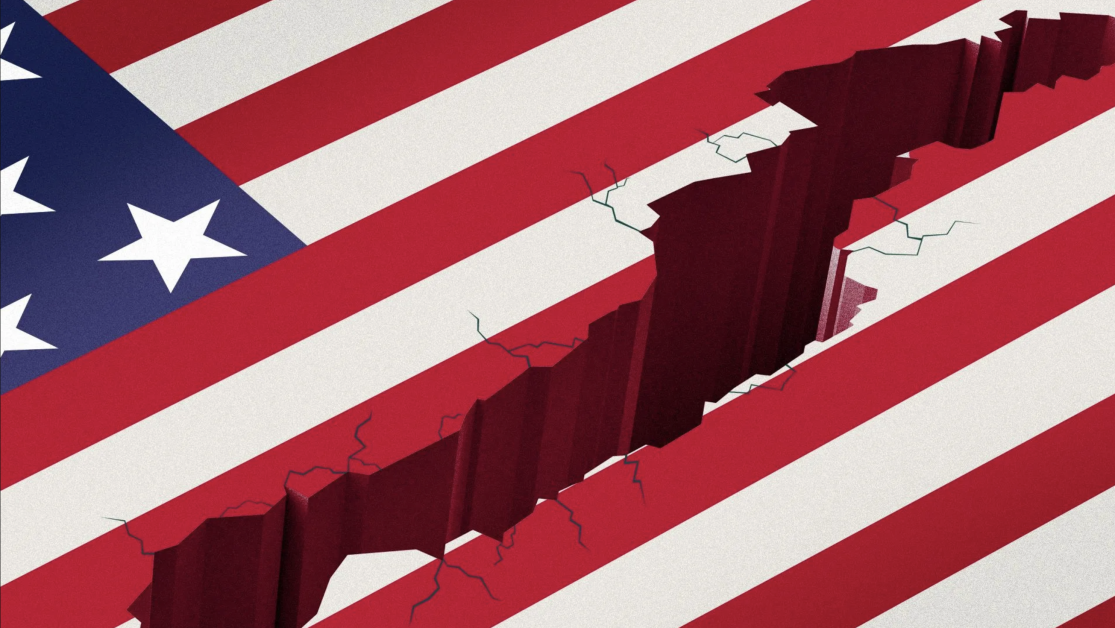
The American Dream has hit a red light.
The ongoing U.S. government shutdown — now dragging into its fifth week — has done more than close museums and delay paychecks. It’s freezing the futures of thousands of skilled professionals, many of them Indian workers on H-1B visas, who suddenly find themselves unable to move forward with their careers or stay legally employed.
According to The Economic Times, the shutdown has brought visa processing to a standstill. With the Department of Labor unable to certify Labor Condition Applications (LCAs) — a key step for filing or renewing H-1B petitions — employers are stuck in limbo. “This effectively halts all H-1B filings — new, change of employer, extension or amendment,” explains Houston-based immigration attorney Helene Dang.
While the USCIS (U.S. Citizenship and Immigration Services) is still open, companies can’t submit petitions without these certified LCAs. That means thousands of H-1B workers are forced to wait — and worry.
But the shutdown isn’t the only blow. The Department of Homeland Security (DHS) has introduced a new “interim final rule” that ends automatic EAD (Employment Authorization Document) extensions for H-4 visa holders — typically spouses of H-1B workers waiting for green cards.
For years, this auto-extension provided a crucial safety net. It allowed H-4 spouses to keep working while their EAD renewals were processed — a process that can now take 8.5 months or more. With renewals restricted to just 180 days before expiration, the math simply doesn’t work.
The result? Job loss.
Stable, two-income households could suddenly drop to one income — not because of performance or choice, but because of red tape. Families who contribute to the U.S. economy, pay taxes, and build communities are now left wondering if their lives here are sustainable.
The message this sends to high-skilled immigrants is clear: uncertainty is the new normal.
For young professionals watching from abroad, it’s a sobering reminder that even hard work and talent can’t always outpace bureaucracy. Yet, it’s also a call for empathy — and reform — in a system that too often forgets the humans behind the paperwork.