Stocks & Industries That Outperform During Global Conflict
Global conflict has an almost mechanical effect on capital markets. Broad indices sell off on uncertainty. Volatility spikes. Liquidity tightens. And then, almost quietly, sector rotation begins.
From the Russian invasion of Ukraine to escalating Middle East tensions, markets have displayed a familiar hierarchy: defense contractors rally on budget expectations, energy producers rise on supply risk, and cybersecurity firms benefit from the invisible front lines of modern warfare.
But the real story is not which stocks jump on day one. It is which industries sustain earnings momentum once the headlines fade.
For long-term investors, war is less about opportunistic trading and more about identifying structural spending shifts embedded in government policy and corporate risk management.
How Equity Markets React to War

Equities typically follow a three-stage pattern:
Stage 1: Shock & Selloff
Broad indices fall 3–10% rapidly as uncertainty spikes.
Stage 2: Sector Rotation
Capital flows into perceived beneficiaries.
Stage 3: Policy & Earnings Clarity
Markets stabilize once:
Fiscal spending plans are announced
Corporate earnings guidance resumes
Rate outlook becomes clearer
Defense & Aerospace
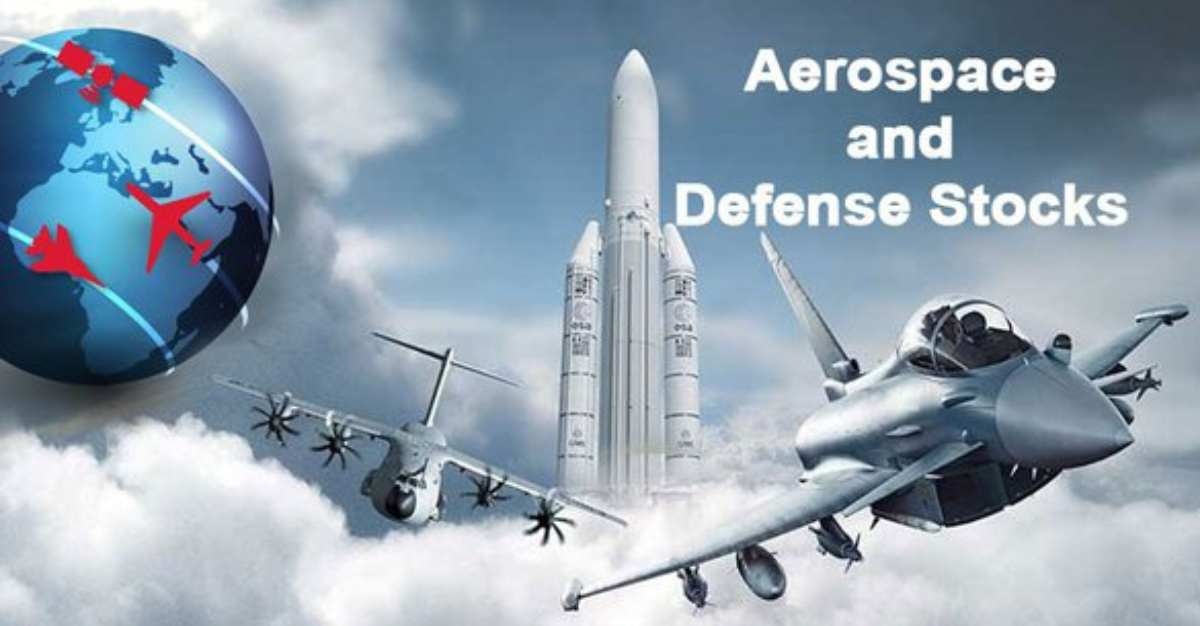
Military budgets historically rise during prolonged conflict.
Examples:
Lockheed Martin
Northrop Grumman
BAE_RW Systems
Swing Pattern:
Initial spike on spending headlines
Consolidation once contracts are priced in
Gradual climb as revenues materialize
Stabilization occurs when procurement pipelines are clear.
Energy Stocks

Energy firms benefit most when oil risk premiums rise.
Examples:
ExxonMobil
Chevron
Typical Pattern:
Rapid rally with oil spike
Pullback if conflict de-escalates
Stabilization tied to supply-demand fundamentals
Cyber Security
Modern conflict includes cyber warfare.
Examples:
Palo Alto Networks
CrowdStrike
Demand often rises steadily rather than spiking.
Stabilization happens when spending becomes part of long-term IT budgets.
How to Navigate Fear Cycles
Avoid leverage during volatility spikes
Wait for volatility compression
Watch bond yields for risk appetite signals
Track earnings revisions
Historical Insight: Markets usually bottom before wars end—once uncertainty becomes measurable.
Conclusion
Markets often bottom while conflicts are still unfolding.
Defense names such as Lockheed Martin and Northrop Grumman tend to spike on announcements but sustain gains only as contracts convert to cash flow. Energy giants like ExxonMobil rally with crude but eventually normalize with supply adjustments. Cybersecurity leaders including Palo Alto Networks often experience more durable demand, as cyber defense becomes embedded in recurring IT budgets.
Stabilization in equities typically occurs once three conditions align: volatility compresses, bond yields plateau, and earnings revisions stop deteriorating.
The enduring investor advantage lies not in reacting to fear, but in recognizing when fiscal policy, national security priorities and corporate resilience spending create multi-year revenue visibility.
In wartime markets, vigilance beats velocity.