Sanofi Expands Immunization Footprint With $2.2 Billion Dynavax Acquisition
Sanofi to Acquire Dynavax for $2.2 Billion in Cash, Reinforcing Its Vaccine Strategy
Sanofi said it has agreed to acquire U.S.-based vaccine specialist Dynavax Technologies in an all-cash transaction valued at approximately $2.2 billion, a move aimed at strengthening the French drugmaker’s immunization portfolio after recent setbacks in clinical development. The deal adds an already marketed adult hepatitis B vaccine to Sanofi’s lineup and brings an early-stage shingles vaccine candidate into its research pipeline.
Under the terms of the agreement, Sanofi will commence a tender offer to purchase all outstanding shares of Dynavax for $15.50 per share in cash. The offer represents a significant premium to Dynavax’s recent trading price, reflecting both the strategic importance of vaccines to Sanofi and the near-term revenue contribution of Dynavax’s approved product.
The acquisition underscores the renewed focus among large pharmaceutical companies on vaccines as a durable growth engine, particularly in adult and specialty immunizations. It also highlights ongoing consolidation within the sector as major players seek to secure differentiated assets rather than rely solely on internal research and development.
Transaction Overview
Dynavax Technologies is a California-based biotechnology company focused on developing and commercializing vaccines. Its key asset is HEPLISAV-B, a two-dose adult hepatitis B vaccine approved in the United States. The company also has a shingles vaccine candidate, Z-1018, in clinical development.
Sanofi said the acquisition will be financed with available cash and is expected to close following completion of the tender offer and satisfaction of customary regulatory and closing conditions. The company has indicated that its financial guidance remains unchanged, suggesting that the deal is not expected to materially affect near-term earnings.
For Dynavax shareholders, the transaction provides an immediate liquidity event at a premium valuation, bringing to an end the company’s run as a standalone vaccine developer.
Strategic Context for Sanofi
Sanofi is one of the world’s largest pharmaceutical companies, with a vaccines division that has historically been a core pillar of its business. The company markets a range of vaccines across influenza, pediatric immunizations, and more recently COVID-19, though it has faced challenges bringing some late-stage candidates successfully through clinical trials.
In recent years, Sanofi has emphasized portfolio reshaping, prioritizing assets with clearer paths to commercialization and divesting or deprioritizing programs with less certain returns. Vaccines, particularly those addressing established infectious diseases with ongoing demand, fit squarely within this strategy.
The acquisition of Dynavax offers Sanofi several advantages:
1. Immediate market presence in the adult hepatitis B segment through an FDA-approved product.
2. Pipeline optionality via Dynavax’s shingles candidate, a category with demonstrated commercial potential.
3. Operational leverage, as Sanofi can apply its global manufacturing, regulatory, and commercial infrastructure to scale Dynavax’s products more efficiently.
From a strategic standpoint, the deal reduces Sanofi’s reliance on internal vaccine R&D at a time when clinical setbacks have increased pressure to deliver growth.
HEPLISAV-B: A Differentiated Asset
Dynavax’s HEPLISAV-B is approved in the U.S. for the prevention of hepatitis B infection in adults. Unlike traditional hepatitis B vaccines that require three doses over six months, HEPLISAV-B is administered in two doses over one month.
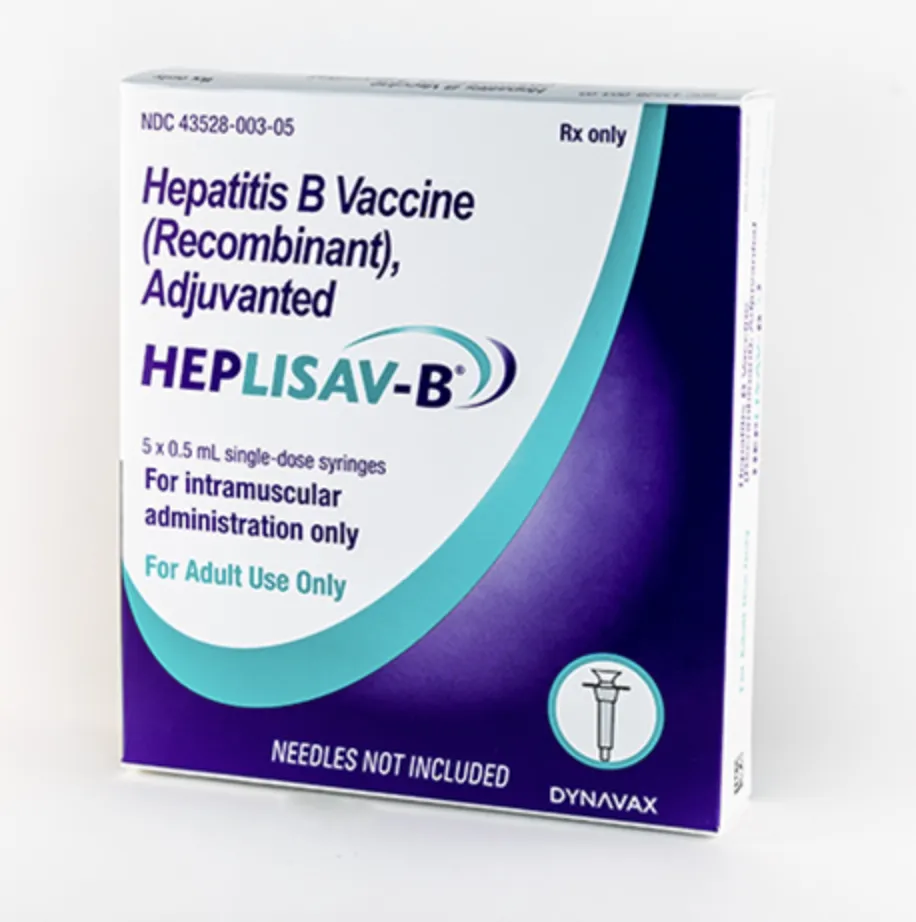
This dosing schedule has been positioned as an advantage in improving patient compliance, particularly among adults who may not complete longer vaccination regimens. Hepatitis B remains a significant public health concern, with chronic infection associated with liver cirrhosis and cancer.
While vaccination rates among children are relatively high in many developed markets, adult vaccination coverage is less comprehensive. This creates a commercial opportunity for vaccine manufacturers, especially for products that can demonstrate convenience and strong immunogenicity.
For Sanofi, HEPLISAV-B represents a marketed asset with established regulatory approval, reducing development risk compared with pre-clinical or early-stage programs.
The Shingles Opportunity
Dynavax’s pipeline includes Z-1018, a shingles vaccine candidate that remains in clinical development. Shingles, caused by reactivation of the varicella-zoster virus, disproportionately affects older adults and immunocompromised individuals.
The commercial success of existing shingles vaccines has demonstrated the willingness of healthcare systems and patients to adopt preventive solutions in this category. However, competition is intense, and new entrants must show clear differentiation in efficacy, durability, or tolerability.
Sanofi has not disclosed detailed development timelines or commercial projections for Z-1018, and the candidate remains subject to the inherent uncertainties of clinical research. Still, the asset provides optional upside that could complement Sanofi’s broader vaccines portfolio if development proves successful.
Valuation and Deal Rationale
At $2.2 billion, the acquisition reflects a valuation that is primarily anchored in HEPLISAV-B’s current and potential future revenue, rather than speculative pipeline value alone. The cash premium suggests that Sanofi views the product as underutilized relative to its market potential when backed by a global pharmaceutical company.
From Sanofi’s perspective, acquiring Dynavax may prove more efficient than attempting to develop a comparable adult hepatitis B vaccine internally, given the time, cost, and regulatory risk involved.
The transaction also aligns with a broader trend in pharmaceutical M&A, where companies are increasingly willing to pay for late-stage or approved assets that can deliver predictable cash flows, rather than betting heavily on early-stage science.
Implications for Investors
For Dynavax shareholders, the deal provides certainty and immediate value realization. The premium offer effectively removes exposure to future clinical and commercial risks associated with remaining independent.
For Sanofi investors, the acquisition is likely to be evaluated through the lens of capital allocation discipline. Key questions include:
a. Whether HEPLISAV-B can achieve materially higher penetration under Sanofi’s ownership.
b. How effectively Sanofi can integrate Dynavax’s operations and personnel.
c. Whether the shingles candidate can justify additional R&D investment over time.
Because Sanofi has stated that its guidance remains unchanged, the market is likely to view the transaction as strategically additive rather than financially transformative in the near term.
Competitive Landscape
The vaccine market is dominated by a small number of global players, including Sanofi, GlaxoSmithKline, Pfizer, and Merck. Competition is particularly intense in adult vaccines, where pricing, reimbursement, and public health policy play critical roles.
By acquiring Dynavax, Sanofi strengthens its competitive position in a niche where differentiation is based more on clinical attributes and logistics than on sheer scale. The move may also prompt competitors to reassess their own exposure to adult hepatitis B and shingles markets.
Smaller biotech firms focused on vaccines could face increased pressure, as the deal highlights the difficulty of competing independently without global distribution capabilities.
Broader Industry Impact
The transaction reflects several broader trends shaping the healthcare industry:
Renewed emphasis on vaccines
Vaccines are increasingly viewed not only as public health tools but also as stable, long-term revenue generators, particularly in aging populations.Consolidation over early-stage risk
Large pharmaceutical companies continue to favor acquisitions of companies with approved or near-approved products over speculative research programs.Preventive healthcare focus
The deal aligns with a shift toward prevention rather than treatment, especially for infectious diseases with well-understood epidemiology.
From a public health perspective, broader distribution of adult hepatitis B vaccines could improve coverage rates, though pricing and access decisions will depend on national healthcare systems and insurers.
Risks and Uncertainties
Despite its strategic logic, the acquisition is not without risks:
Commercial execution risk: Increased scale does not automatically translate into higher adoption.
Regulatory and reimbursement dynamics: Vaccine uptake depends heavily on guidelines and payer policies.
Pipeline uncertainty: The shingles candidate remains unproven and could fail to meet clinical endpoints.
Integration risk is generally lower for vaccine assets than for complex therapeutic platforms, but it remains a factor, particularly when aligning manufacturing and supply chains.
Outlook
Sanofi’s acquisition of Dynavax represents a measured bet on vaccines as a durable growth category rather than a transformative corporate event. The deal adds near-term revenue potential, modest pipeline upside, and strategic optionality at a time when vaccine portfolios are being reassessed across the industry.
For investors, the transaction reinforces Sanofi’s commitment to immunization as a core business while highlighting the ongoing consolidation of specialized vaccine developers into larger pharmaceutical groups.
As healthcare systems continue to emphasize prevention and adult vaccination, the long-term success of the deal will depend less on headline valuation and more on execution — expanding access, maintaining supply reliability, and demonstrating value to payers and public health authorities.