Nvidia’s High Margins and the Rising Competition in AI Chips
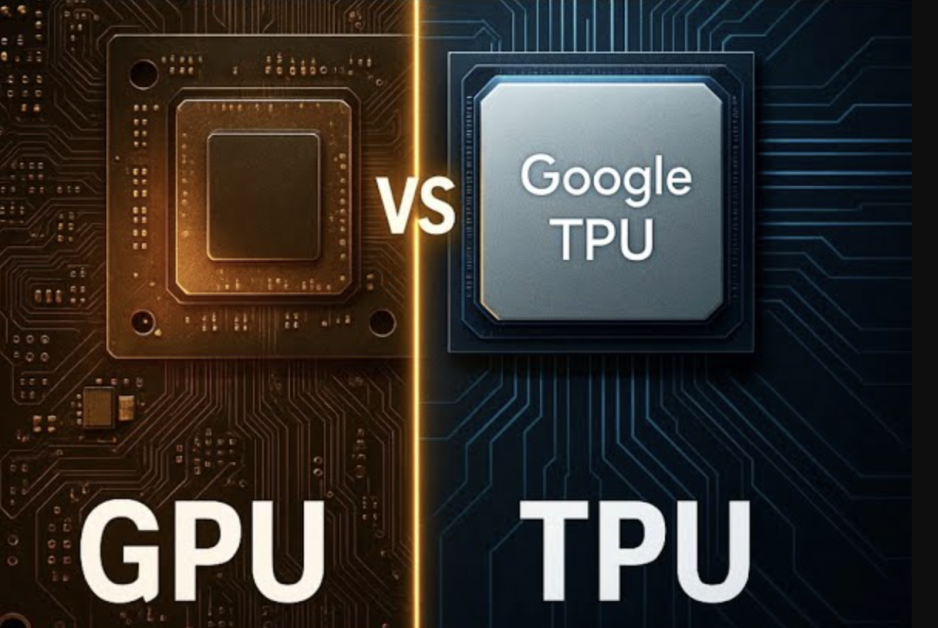
Nvidia’s Profitability Before the AI Boom
Even before AI demand surged in 2023, Nvidia was already one of the most profitable companies in the semiconductor industry. While many fabless chip makers typically operate with gross margins around the 50% range, Nvidia often outperformed them.
In the years leading up to the AI acceleration cycle, Nvidia’s gross margins had generally been in the mid-to-high 50% range, and in several periods, they approached or exceeded 60%. This positioned the company well above many of its fabless peers, despite relying on TSMC and other contract manufacturers for chip fabrication.
AI Accelerators Push Nvidia’s Margins Into New Territory
The global AI boom beginning in 2023 dramatically transformed Nvidia’s financial profile. Demand for GPU-based AI accelerators used in training and deploying large AI models led to a surge in revenue and profitability.
Recent financial results have shown:
1.Gross margins climbing into the low-to-mid 70% range, an all-time high for the company.
2. A significant increase in data center revenue, driven by AI training clusters and large-scale cloud deployments.
3. Strong pricing power, helped by Nvidia’s leading performance, software stack, and ecosystem.
Although Nvidia does not break out how much profit specifically comes from software vs hardware, analysts widely note that the inclusion of software, tools, and support in AI platform sales can meaningfully raise margins.
Growing Interest From Competitors
High margins naturally attract competition, and the AI chip space is no exception.
Established chipmakers are advancing their own AI offerings:
a. AMD continues to expand its Instinct AI accelerator line.
b. Broadcom and Marvell Technology are investing heavily in custom and domain-specific silicon.
A wave of startups
Venture-backed hardware startups are developing specialized AI accelerators, optimized network fabrics, or energy-efficient architectures. While they remain smaller, they add competitive pressure at the edges.
The Google TPU Question
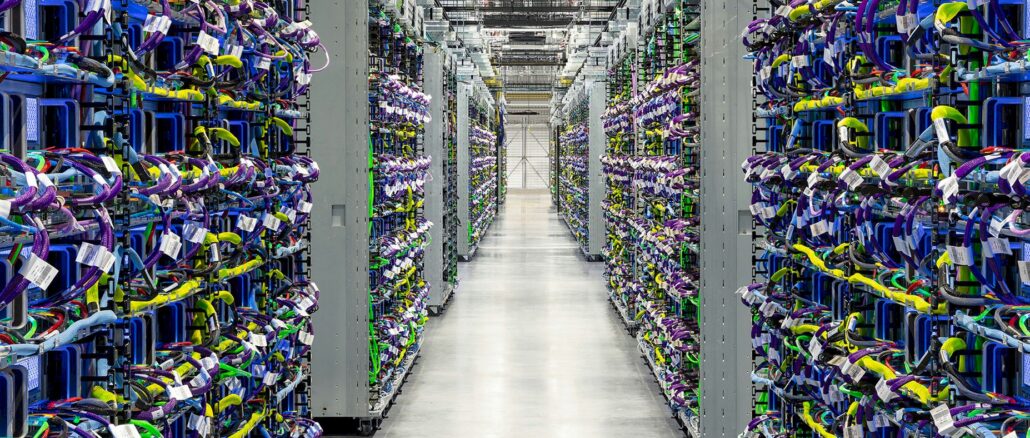
There have been reports and industry speculation that Google may explore making its TPU (Tensor Processing Unit) technology more widely available.
> While Google already offers TPUs through Google Cloud, there is no confirmed public evidence that it plans to sell them broadly as merchant silicon.
> If Google were to commercialize TPU hardware beyond cloud services, it would represent a meaningful new competitor backed by one of the highest-cash-flow companies in the S&P 500.
> For now, this remains a possibility, not an established move.
Nvidia Still Maintains a Strong Lead — For Now
Despite the increasing interest from rivals, Nvidia remains the dominant force in AI accelerators. Its upcoming next-generation systems — such as those in the Vera Rubin series expected next year — are anticipated to raise performance expectations again.
Nvidia also benefits from:
a. A deeply entrenched software ecosystem (CUDA, libraries, tools)
b. Strong relationships with cloud providers and enterprises
c. End-to-end platform integration (networking, systems, software)
These advantages are difficult for competitors to replicate quickly.
Why Margin Pressure May Still Increase Over Time
Even with Nvidia’s leadership, several factors could make sustaining mid-70% margins more challenging:
Customers want diversified suppliers. Major cloud providers prefer not to rely on a single vendor for mission-critical AI hardware.
Cost control is a priority. The enormous expense of AI infrastructure creates incentives to seek lower-cost alternatives where possible.
Competitors are improving. AMD, Broadcom, Marvell, and others are narrowing performance gaps in selective workloads.
Potential regulatory and supply-chain risks. Export restrictions, geopolitical pressures, and manufacturing constraints could influence profitability.
None of these guarantee margin compression in the short term — but together, they introduce more uncertainty than the period of explosive AI-driven growth.
Summary
Nvidia entered the AI boom already highly profitable, but demand for AI accelerators pushed its gross margins into unprecedented territory, now sitting in the low-to-mid 70% range. Its technology leadership, software ecosystem, and performance advantages have kept it ahead of rivals.
However, such exceptional margins naturally attract competition. Established chipmakers, startups, and possibly even hyperscalers like Google are exploring alternative AI hardware paths. While Nvidia’s next-generation platforms should help maintain its lead, customers are increasingly motivated to diversify suppliers and manage costs.
Nvidia remains the industry leader — but preserving industry-high margins will likely be more challenging as competition accelerates and the AI hardware landscape broadens.
You may Also Like

Taking a bigger bite out of the apple: John Ternus

Trump’s China Visit 2026: Xi Summit, AI Talks, Taiwan Tensions and Top CEOs in Beijing