Mission Creep in the US-Israel–Iran Conflict: How Wars Expand Beyond Their Original Goals
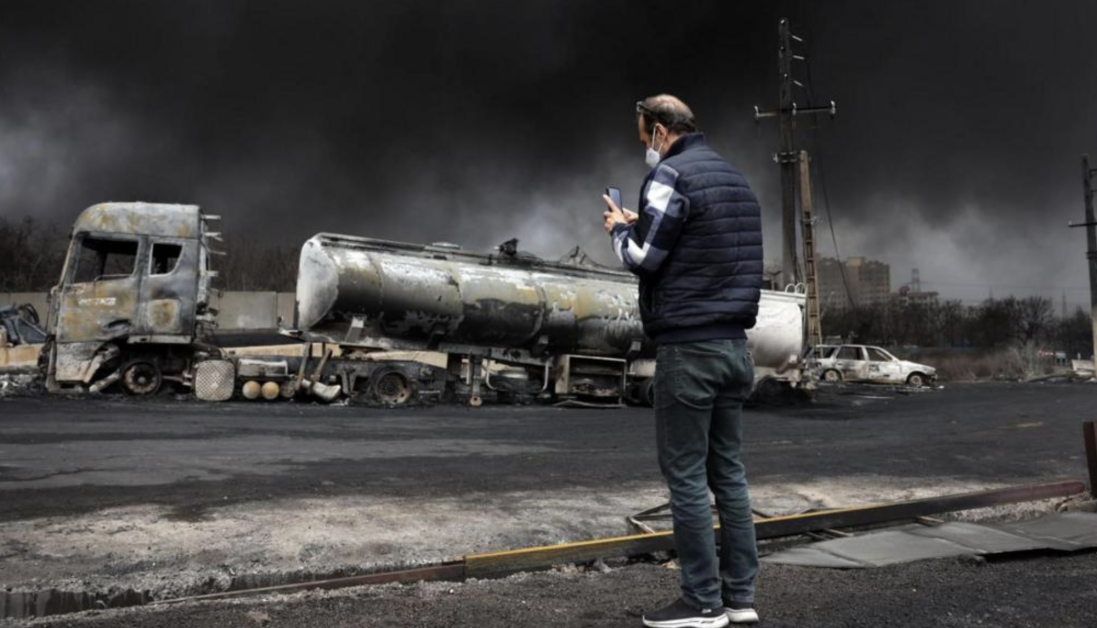
Understanding the US-Israel Conflict With Iran
A Beginner’s Guide to What’s Happening—and Why It Matters for Businesses
If you’re just starting to follow the conflict involving the United States, Israel, and Iran, one phrase often appears in analysis: “mission creep.”

This term describes something that has happened repeatedly in modern wars: a conflict begins with a limited goal, but over time the objectives expand, the timeline grows longer, and the consequences spread far beyond what leaders originally promised.
The article’s main argument is that the current tensions involving the United States, Israel, and Iran follow a familiar historical pattern—one that has appeared in wars for decades.
Let’s break down what that means.
1. How Wars Often Start: Simple Promises
When governments justify military action, they usually frame it around clear and limited goals.
Examples often sound like:
Stop a specific threat
Destroy a particular military capability
Protect national security
Prevent a rival from gaining power
These explanations make conflicts seem short, targeted, and necessary.
But history shows something different.
2. What “Mission Creep” Really Means
Once a conflict begins, the goals often expand gradually.

Instead of the original limited objective, new aims get added:
Regime change
Regional influence
Deterring other adversaries
Long-term security restructuring
By this point, the war is no longer about the initial justification.
The article suggests that political leaders are often better at explaining why a war must start than explaining how it will end.
Ending a war is difficult because:
Power vacuums emerge
Regional rivalries intensify
New security threats appear
Ironically, attempts to solve one problem can create the conditions for the next conflict.
3. Why the Iran Conflict Is Different—and Riskier
The tensions involving Iran are especially complicated because they involve a network of regional actors.
Iran has relationships with groups and governments across the region, including forces operating in:
Lebanon
Syria
Iraq
Yemen
This means a direct confrontation could quickly spread into a multi-front regional conflict.
Instead of a contained war, the effects could ripple across the entire Middle East.
4. The Domino Effect on Regional Businesses
For businesses operating in the Middle East, geopolitical conflict has consequences that extend far beyond the battlefield.
Here are some of the biggest impacts.
Energy Markets
The Middle East produces a large share of the world’s oil.
If conflict disrupts supply routes—especially shipping lanes like the Strait of Hormuz—oil prices can surge globally.
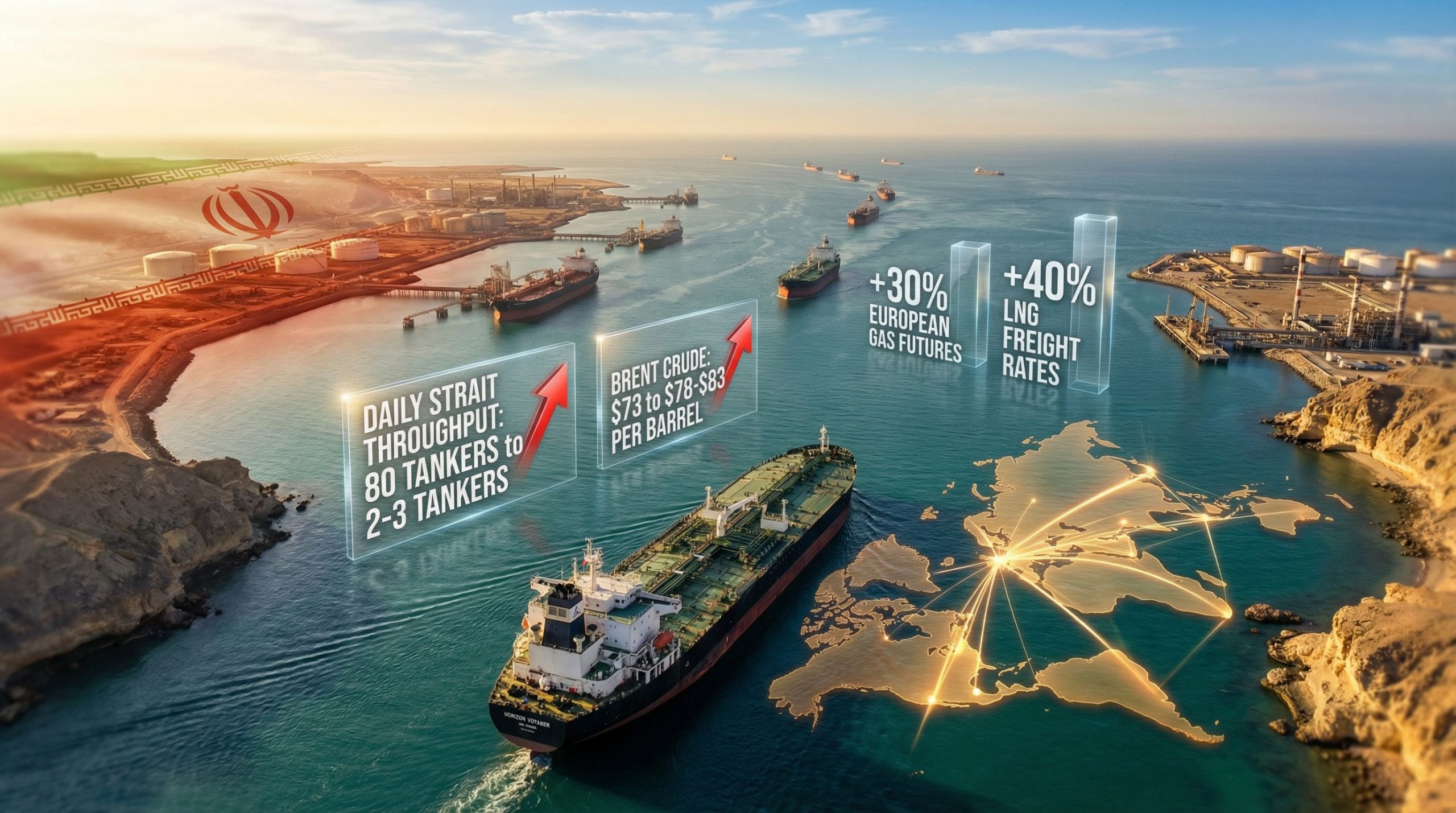
This affects:
Airlines
Shipping companies
Manufacturing
Consumer prices worldwide
Trade and Logistics
War risks can disrupt major shipping routes and insurance costs.
Companies may face:
Higher freight rates
Delays in global supply chains
Increased security expenses
Ports in the United Arab Emirates, Saudi Arabia, and nearby markets could feel indirect economic pressure.
Investment and Capital Flows
When geopolitical tensions rise, investors become cautious.
This can lead to:
Delayed infrastructure projects
Reduced foreign investment
Currency volatility in regional markets
Even countries not directly involved in the conflict can feel these financial effects.
5. Why Businesses Watch Politics So Closely
For companies in the region, political developments are not just headlines—they shape strategy and survival.
Executives must consider:
geopolitical risk
sanctions policies
supply chain resilience
energy price volatility
A conflict involving Iran could trigger sanctions, trade restrictions, or financial disruptions affecting multiple industries.
6. The Larger Lesson From History
The deeper point of the article is about how wars evolve.
Starting a conflict often seems straightforward politically.
But ending it in a stable way is much harder.
If the end of a war leaves unresolved tensions, those tensions can become the seed for the next conflict.
That cycle—justification, escalation, and unintended consequences—has shaped many modern wars.
In simple terms:
The article argues that military conflicts often begin with clear promises but gradually expand in scope. When it comes to tensions with Iran, the risks are not only military—they could reshape regional stability, energy markets, and business environments across the Middle East.