Meta’s AI Reckoning: The Year Zuckerberg Quietly Rewired a Trillion-Dollar Company
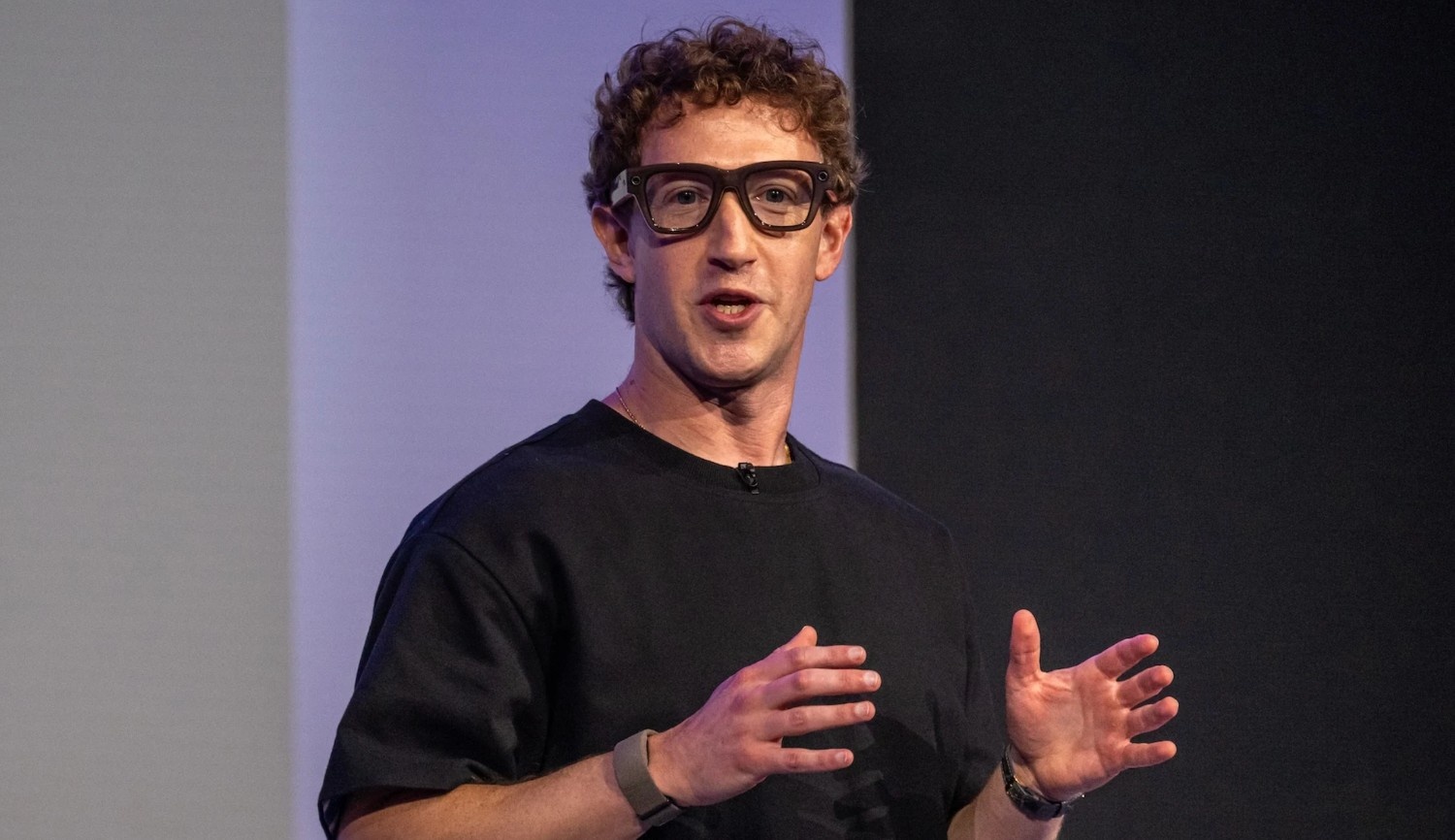
A Company That Changed Its Mind—and Its Math
For years, Meta Platforms Inc. asked investors for patience. First for mobile. Then for video. Then for the metaverse.
In 2025, Mark Zuckerberg stopped asking.
Instead, Meta did something far more consequential: it restructured itself around artificial intelligence with the urgency of a company that believes the next platform shift is already underway—and unforgiving.
The result was a year marked not by spectacle, but by execution: targeted acquisitions, sharp workforce moves, expensive legal settlements, and a decisive reallocation of capital away from moonshots and toward monetizable intelligence. By year’s end, Meta’s market capitalization hovered near $1.7 trillion, and the question for investors was no longer whether Meta could pivot—but what the pivot would ultimately be worth.
Acquisitions: Fewer Deals, Bigger Intent
Manus: The Defining Buy of 2025
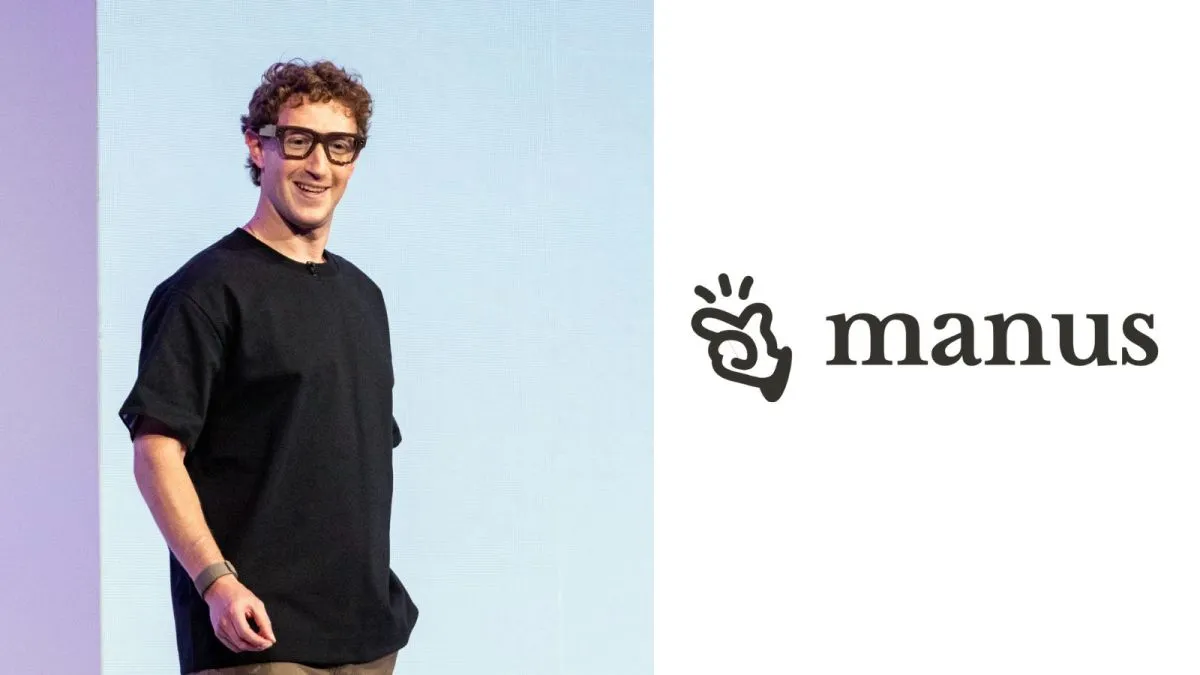
Meta completed one major acquisition in 2025, but it was a telling one.
The company acquired Manus, a Singapore-based AI startup focused on autonomous AI agents, in a deal valued at more than $2 billion—Meta’s largest acquisition since WhatsApp. Manus’ technology goes beyond chat: its systems are designed to execute tasks, make decisions and operate across software environments with minimal human input.
This was not an acqui-hire. It was a strategic declaration.
Meta’s leadership made clear that the next phase of AI competition would not be won by larger language models alone, but by agents that do work—inside messaging apps, ad platforms and enterprise tools.
Scale AI: Buying the Supply Chain

Earlier in the year, Meta deepened its relationship with Scale AI, the data-labeling and AI-infrastructure firm, through a multibillion-dollar investment that brought Alexandr Wang, Scale’s founder, into Meta’s senior AI leadership.
The message was unmistakable: Meta wanted control not just of models, but of the inputs that make them competitive.
Strategy Shift: From Metaverse to Monetizable Intelligence
By mid-2025, Reality Labs—the division once positioned as Meta’s future—had quietly lost its primacy.
Budgets were cut. Headcount was trimmed. Internal emphasis shifted.
In its place rose Meta Superintelligence Labs, a centralized AI organization tasked with one mandate: build AI that can scale across Meta’s platforms and generate revenue.
AI was embedded deeply into:
WhatsApp business messaging
Instagram discovery and ad targeting
Creator tools
Internal ad-buying optimization systems
The pivot was less ideological than financial. AI offered something the metaverse never reliably did: measurable returns.
Products: AI Everywhere, All at Once
Meta rolled out:
Meta AI, a consumer-facing assistant integrated across Facebook, Instagram and WhatsApp
Llama 4, the latest iteration of its open-weight language models
Autonomous agent tooling derived from Manus’ technology
By year’s end, Meta claimed hundreds of millions of monthly AI users, with a longer-term goal of reaching one billion.
What changed in 2025 was not ambition—but discipline. Every AI launch was tied, explicitly, to engagement, advertising efficiency or enterprise adoption.
People: Layoffs, Power Shifts and Selective Hiring
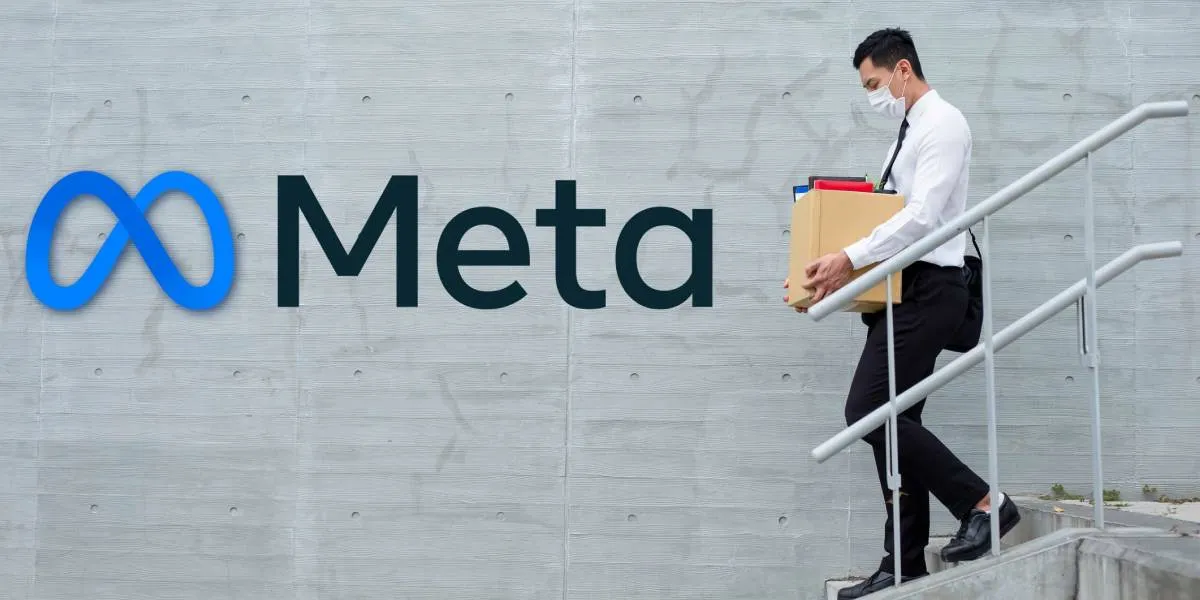
Meta reduced headcount again in 2025, including:
Performance-based cuts affecting ~5% of staff
A 600-person restructuring within AI research units
At the same time, Meta made surgical senior hires, most notably Alexandr Wang, signaling a preference for operator-leaders over academic researchers.
Prominent departures came largely from legacy research teams, as Meta consolidated authority under fewer executives with clearer profit accountability.
Legal Reality: Paying for the Past
2025 was also a year of legal reckoning.
Meta:
Paid $190 million to settle a shareholder lawsuit tied to privacy governance failures
Agreed to a $50 million settlement with California regulators over user-data practices
Faced new lawsuits over scam advertising and child safety
Continued to fight the FTC’s antitrust case, a shadow that still hangs over its acquisition strategy
The company did not escape scrutiny—but it budgeted for it. Legal risk is now treated less as an existential threat and more as a cost of scale.
Global Focus: Quiet Capital, Strategic Geography
Meta increased investment in:
Singapore, as an AI talent and regulatory hedge
Select Asia-Pacific markets, tied to messaging and commerce
The company avoided splashy international expansion announcements, opting instead for talent-first investment in regions with favorable AI policy and deep technical labor pools.
Market Capitalization: Confidence, With Conditions
Meta ended 2025 valued at roughly $1.7–$1.8 trillion, buoyed by:
Strong ad recovery
AI-driven efficiency gains
Investor belief that Meta’s AI spending is more disciplined than peers’
Still, Wall Street remains split. Bulls see Meta as the most vertically integrated AI platform outside Nvidia. Bears worry about capital intensity and regulatory drag.
What 2026 Holds for Investors
For investors, 2026 will test whether Meta’s AI bet can:
Translate engagement into pricing power
Defend margins amid rising infrastructure costs
Survive regulatory pressure without strategic paralysis
Meta is no longer asking investors to imagine the future.
It is asking them to measure it.
And in 2026, patience will be replaced by proof.