Jim Beam Halts Production as Bourbon Industry Faces Falling Demand
Rising costs, shrinking consumption, and international boycotts are forcing America’s most iconic bourbon makers to rethink production
The maker of Jim Beam, one of America’s best-known bourbon brands, will pause production at its flagship Kentucky distillery throughout 2026, underscoring mounting pressure on the US spirits industry from declining consumption, higher living costs, and disrupted global trade.
The closure comes as Canada continues to limit or remove American alcohol from provincial liquor shelves, a move that has reduced export volumes for several US distillers. At the same time, US consumers—strained by inflation, housing costs, and food prices—are drinking less alcohol overall, forcing producers to slow output despite record inventories.
Why Jim Beam Is Pressing Pause
Jim Beam’s owner, Suntory Global Spirits, confirmed that its Clermont, Kentucky distillery will temporarily shut down in 2026 while the company reassesses demand and invests in site upgrades.
“We are always assessing production levels to best meet consumer demand,” the company said, adding it has consulted with staff and union representatives on workforce planning during the pause.
While production will stop at Clermont, other Jim Beam operations in Kentucky—including bottling plants, warehouses, a second distillery, and its visitor center—will remain open.
A Bourbon Glut Meets a Consumption Slowdown
This slowdown is not unique to Jim Beam.
According to the Kentucky Distillers’ Association, bourbon warehouses across the state now hold more than 16 million barrels—more aging whiskey than at any point in history. While aging is essential to quality, excess inventory has become a financial burden.
Kentucky taxes aging barrels annually, and distillers face an estimated $75 million in inventory taxes this year alone, squeezing margins even as sales soften.
At the same time:
• Alcohol consumption per capita in the US continues to decline
• Younger consumers are drinking less or choosing non-alcoholic alternatives
• Premium spirits are holding up better than mass-market brands, but volumes are still down
Is This Happening Across the Industry?
Yes—but not evenly.
• Brown-Forman (Jack Daniel’s) has slowed production growth and warned of softer global demand
• Diageo (Maker’s Mark, Bulleit) has cut costs and revised sales forecasts
• Smaller craft distilleries are feeling the most strain, with limited storage capacity and cash flow
• Premium and limited-edition whiskies continue to sell, but everyday bourbon volumes are under pressure
Jim Beam’s pause is one of the most visible signs of the slowdown, largely because of its scale.
Trade Tensions Add Another Layer of Risk
US whiskey exports remain vulnerable to trade disputes and retaliatory measures, including Canadian restrictions on American alcohol. Canada is historically one of the largest export markets for US spirits, and reduced access directly impacts production planning in Kentucky.
Uncertainty around potential future tariffs—particularly tied to US election politics—has also made long-term forecasting more difficult for global spirits companies.
Who Owns Jim Beam?
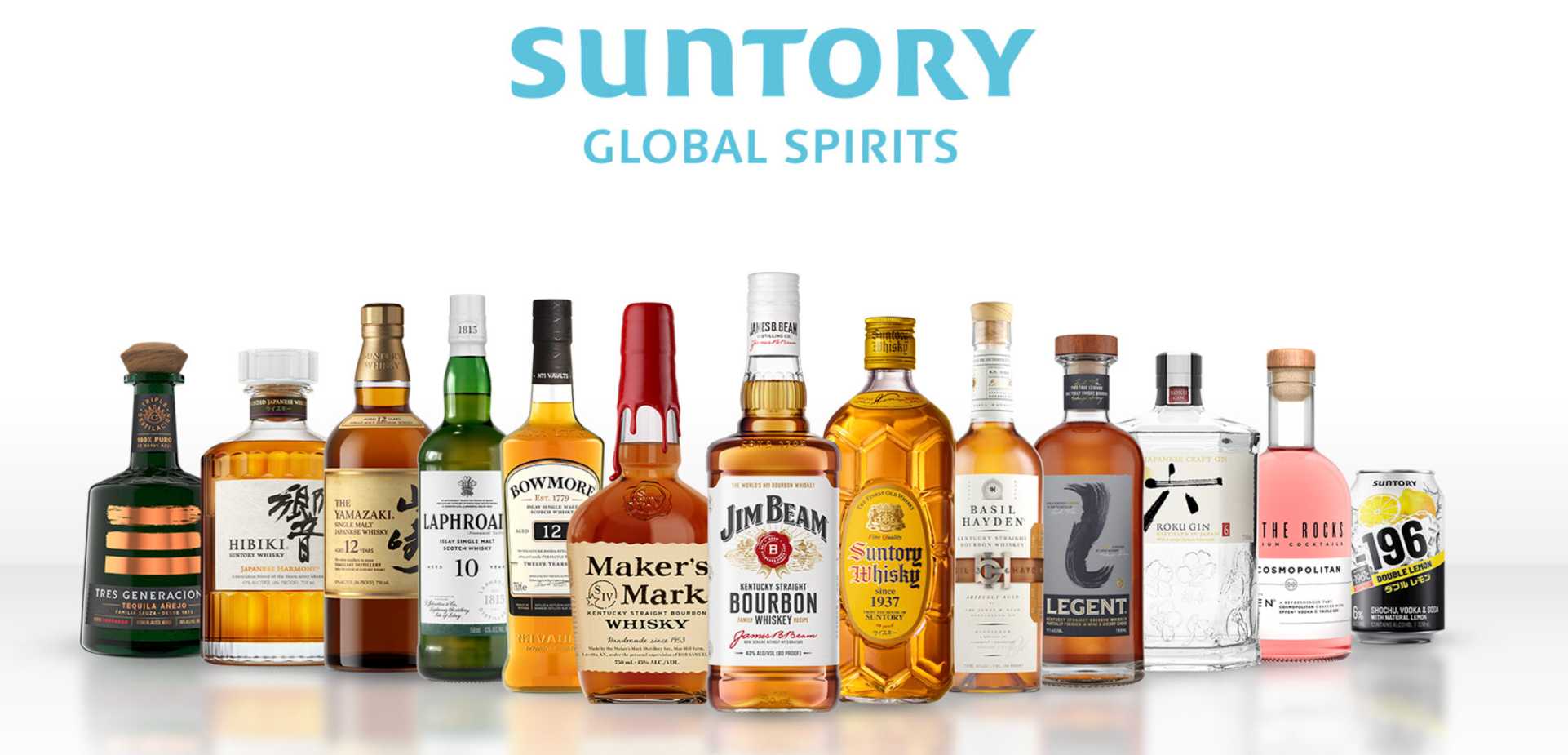
Jim Beam is owned by Suntory Global Spirits, the Japanese drinks group that acquired the brand in 2014 for $16 billion, making it one of the world’s largest spirits companies.
Suntory’s portfolio includes:
• Jim Beam bourbon
• Maker’s Mark
• Haku vodka
• Sipsmith gin
• Orangina and Lucozade soft drinks
The group employs over 6,000 people globally, with more than 1,000 in Kentucky alone.
Fun Facts: Why Aging and Barrels Matter in Bourbon
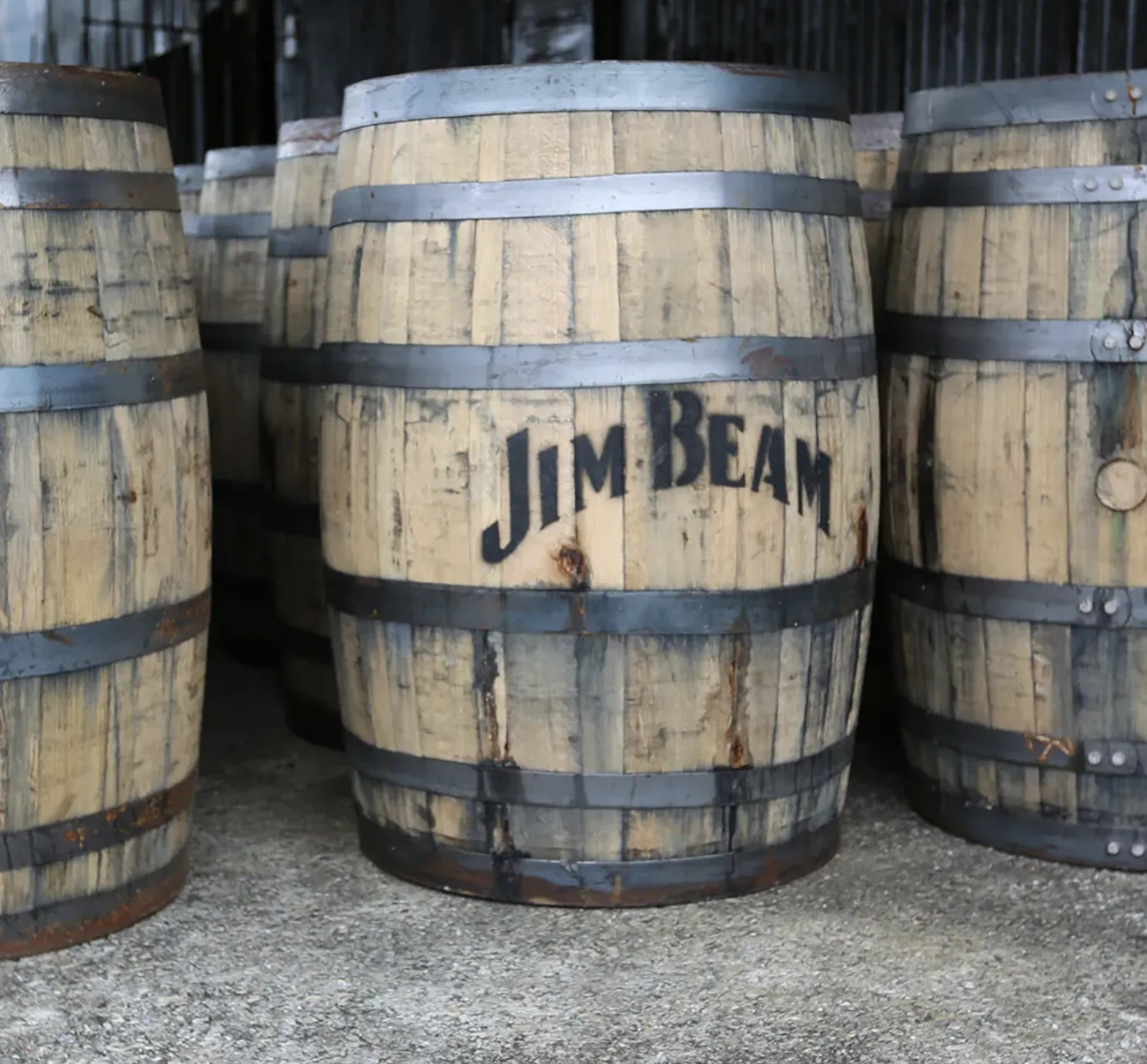
• New oak barrels only: By law, bourbon must be aged in new, charred American oak barrels
• Char = flavor: Charring caramelizes wood sugars, creating vanilla, caramel, and spice notes
• Older isn’t always better: While aging adds complexity, too much time can make whiskey overly woody
• Second life for barrels: Used bourbon barrels are sold to Scotch, rum, and tequila makers worldwide
• Kentucky climate advantage: Hot summers and cold winters force whiskey in and out of the wood, accelerating flavor development
Ironically, the same aging process that makes bourbon better is now contributing to the industry’s inventory and tax challenges.
What Comes Next
Jim Beam’s production pause signals a broader reset rather than a collapse. Distillers are adjusting to:
1. Lower but more stable long-term demand
2. Changing consumer habits
3. Higher operating and tax costs
4. A more uncertain global trade environment
For now, America’s bourbon barrels are full—and aging patiently—waiting for demand to catch up.