India's Union Budget 2026: Tax Stability, Semiconductor Push and Digital Growth Signal Long-Term Vision
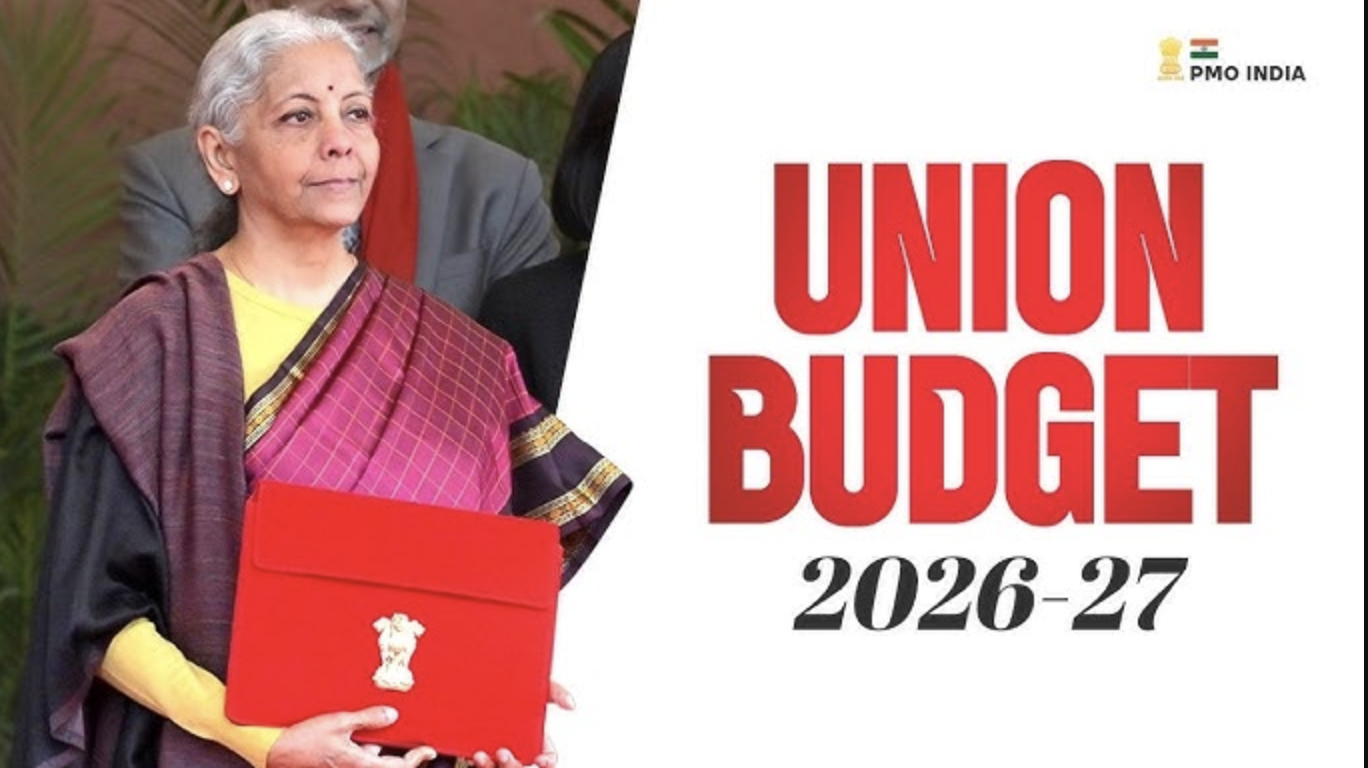
India- The Union Budget 2026, presented by Finance Minister Nirmala Sitharaman, focuses on regulatory stability, long-term industrial growth and digital capacity building, while avoiding major changes to income tax rates. The budget balances continuity with targeted reforms, aiming to strengthen India’s global competitiveness amid a cautious market environment.
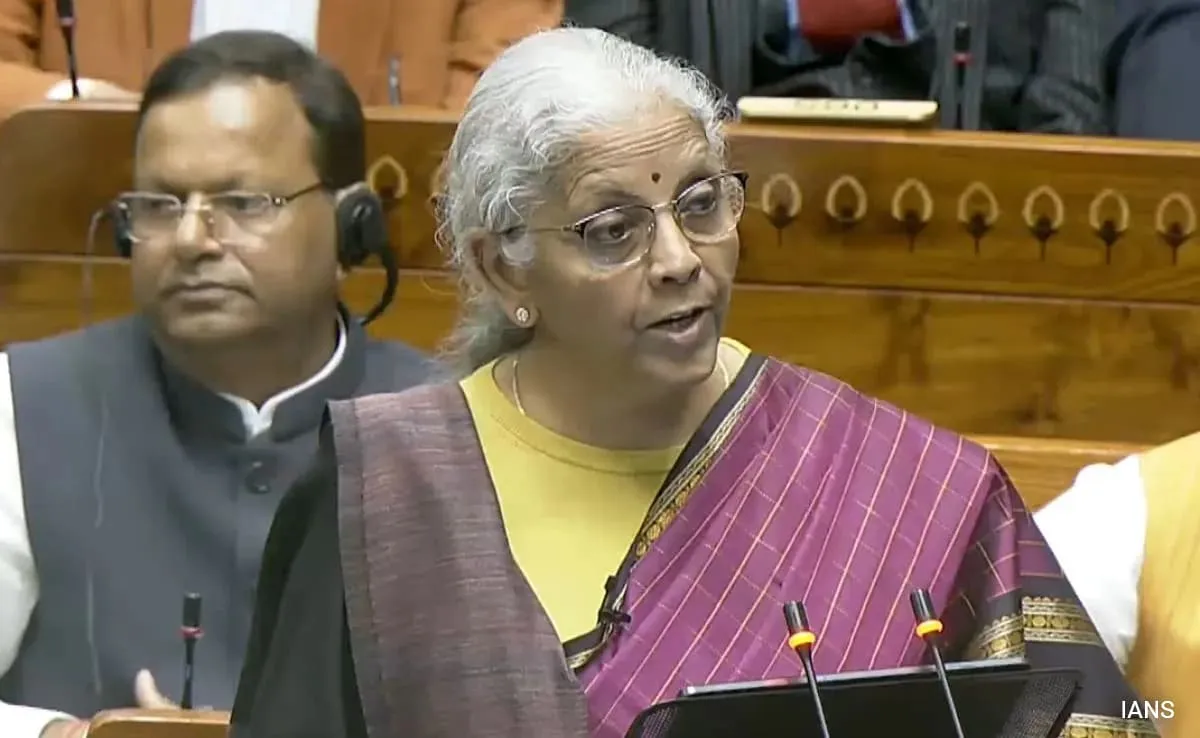
No Change in Income Tax Slabs, But More Flexibility for Taxpayers
One of the most notable announcements is the decision to keep income tax rates and slabs unchanged. This move provides predictability for individual taxpayers and businesses at a time when global economic uncertainty remains high. However, the government has introduced flexibility by allowing the Income Tax Return (ITR) filing timeline to be staggered, easing compliance pressure during peak filing seasons.
Further strengthening taxpayer relief, the Finance Minister announced that Tax Deducted at Source (TDS) refunds can be claimed even if ITRs are filed after the prescribed deadline. This marks a significant shift toward a more taxpayer-friendly regime, reducing the financial impact of delayed filings, especially for salaried individuals and small taxpayers.
Income Tax Act 2025 to Take Effect from April 1
The Budget confirmed that the Income Tax Act 2025 will come into force from April 1 this year. The new Act aims to simplify tax laws, reduce litigation and improve clarity in compliance. While detailed rules will follow, the announcement signals a structural reform intended to modernise India’s direct tax framework and align it with global best practices.
Big Push for Data Centres and Digital Infrastructure

To position India as a global digital infrastructure hub, the government announced a tax holiday for global firms setting up data centres in the country, valid until 2047. This long-term incentive is expected to attract large-scale foreign investment, boost cloud infrastructure, support artificial intelligence ecosystems and generate skilled employment.
The move aligns with India’s expanding digital economy, rising data consumption and growing demand for secure, domestic data storage.
₹40,000 Crore Allocation for Semiconductor Mission 2.0
In a major boost to high-tech manufacturing, the government has allocated ₹40,000 crore for the India Semiconductor Mission 2.0. The focus will be on end-to-end semiconductor manufacturing, full-stack chip design and the establishment of advanced training centres.
This initiative aims to reduce India’s dependence on semiconductor imports, strengthen supply chain resilience and create a domestic ecosystem capable of serving global markets. It also supports India’s ambition to become a key player in next-generation electronics, automotive technology and defence systems.
Rare Earth Minerals Corridors Announced

Recognising the strategic importance of critical minerals, the Budget announced dedicated rare earth minerals corridors in Odisha, Tamil Nadu, Kerala and Andhra Pradesh. These corridors will support exploration, processing and value addition of rare earth elements essential for electronics, renewable energy technologies and electric vehicles.
This step enhances India’s resource security and reduces reliance on imports, while also creating regional industrial clusters and employment opportunities.
Boost to Animation, Gaming and Creative Economy
To nurture the growing animation, visual effects, gaming and comics (AVGC) sector, the government announced the establishment of content creator labs in 15,000 schools and 500 colleges across the country. This initiative aims to build creative and technical skills at an early stage, support digital entrepreneurship and strengthen India’s presence in the global creative economy.
The move reflects the government’s recognition of AVGC as a high-growth sector with significant export and employment potential.
Market Reaction: Sensex and Nifty End Lower

Despite the long-term growth-oriented announcements, equity markets reacted cautiously. Both the Sensex and Nifty50 indices ended in the red following the Budget speech, suggesting that investors were looking for stronger short-term fiscal or consumption stimuli.
Market participants appear to be weighing the absence of immediate tax relief or spending boosts against the longer-term structural reforms outlined in the Budget.
Conclusion
Union Budget 2026 emphasizes stability, structural reform and future-ready investments. While it may not deliver immediate market excitement, its focus on tax certainty, advanced manufacturing, digital infrastructure and skill development positions India for sustained growth in the years ahead.
You may Also Like

Samsung Becomes South Korea’s First $1 Trillion Company: How AI, HBM Chips & Galaxy Devices Fueled Its Historic Rise

Corporate Cuts and Personal Comebacks: How a pink slip isn’t the end of the road!