How Netflix, Jake Paul and Anthony Joshua Turned a Knockout Into a Business Case Study

On a humid December night in Miami, a spectacle unfolded that may be remembered less for leather-on-leather combat and more for the tectonic shifts it represents in the business of boxing. Anthony Joshua’s sixth-round knockout of Jake Paul was less like a traditional heavyweight title bout and more like a commercial litmus test — one that confirmed old assumptions were changing, rapidly and irreversibly. In a sport long driven by pay-per-view gates, cable revenue and promoter percentages, this fight—streamed globally on Netflix—suggests a new commercial frontier driven by attention economies, influencer branding, and streaming disruption.
At the Kaseya Center, with thousands in the crowd and millions watching from living rooms worldwide, boxing’s value was measured not just in knockdowns or punch stats, but in subscription gains, global visibility and what executives are already calling a blueprint for future marquee events.
The Match As a Commercial Vehicle
From conception, the pairing of Anthony Joshua — a two-time heavyweight champion with a pedigree rooted in Olympic glory — against YouTube-turned-boxer Jake Paul was never just a sporting event. It was a media product. Netflix, a platform traditionally focused on scripted and documentary content, invested heavily in the broadcast rights, positioning the bout as a premium event with worldwide access. This marks a clear shift from the traditional pay-per-view model that has historically guarded boxing’s marquee fights behind two-tier paywalls.
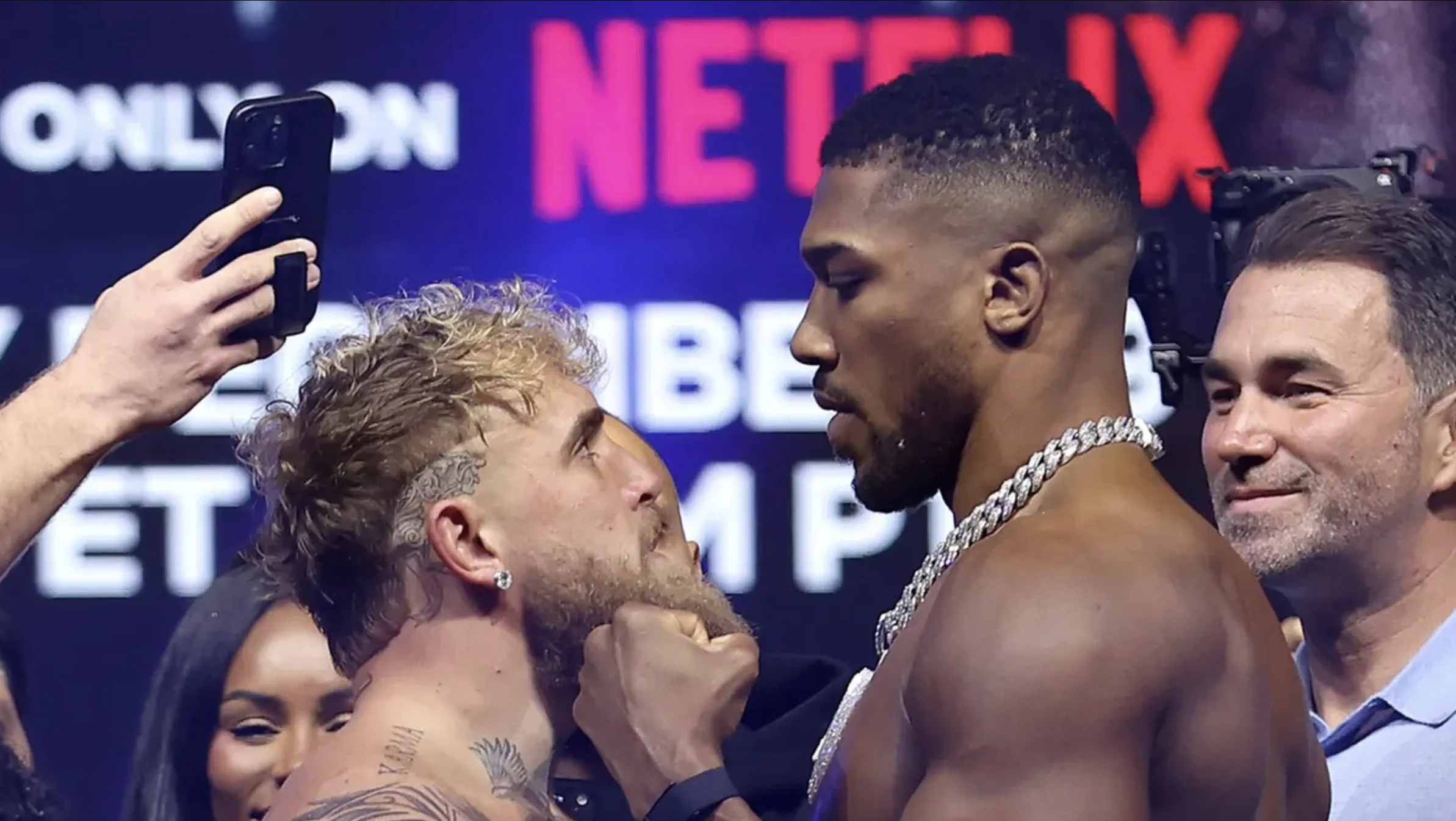
The value proposition was different here: rather than charging a separate pay-per-view fee, Netflix’s model banks on subscription value — a bet that a major fight could drive new sign-ups, reduce churn, and cement sports content as a strategic long-term differentiator in an increasingly crowded streaming market.
What They Actually Made
Reported purses for the fight were staggering. Multiple sources estimate that both Joshua and Paul were guaranteed near-equal footing, with each around £70 million (approximately $90–95 million) before deductions — a combined purse approaching £140 million (~$185 million).
Yet the headline figures are deceptive. Complex tax arrangements — including U.S. federal and state taxes, and UK tax liabilities for Joshua — could see him lose a reported up to £66 million once the final obligations are tallied. In other words, while headline news may tout “$90+ million paydays,” net earnings may be far more modest once governments and stakeholders take their share. Even so, these figures dwarf many historical heavyweight purses and reinforce how the mere talk of a fight can generate extraordinary value.
Revenue Beyond the Ring
The fight extended its commercial footprint far beyond ticket sales. Licensing, merchandise, branded content, social media amplification and third-party partnerships all contributed to a global commercial ecosystem. Celebrities in attendance — from sports stars to cultural icons — amplified its visibility. Even outside the ring, Paul’s post-fight social posts about his journey, injury, and mindset became part of the narrative playbook for influencer monetization.
Critics may deride the matchup as “not true boxing,” but from a monetization perspective, it succeeded in generating massive brand equity. Netflix reported record engagement metrics for the event, with user sessions hitting multi-year highs for sports content (internal data, not publicly disclosed).
Brand Amplification and the Attention Economy
Jake Paul, irrespective of the result, successfully reinforced the core tenet of his business model: attention is a currency. Even in defeat, Paul garnered mainstream headlines, social media virality, and brand partnerships that would make many traditional athletes envious. Post-fight, he shared painful injury updates, hospital recovery moments, and motivational angles — all content gold in the influencer playbook. This is a paradigm shift: victory isn’t the only metric of success — engagement and shareability are.
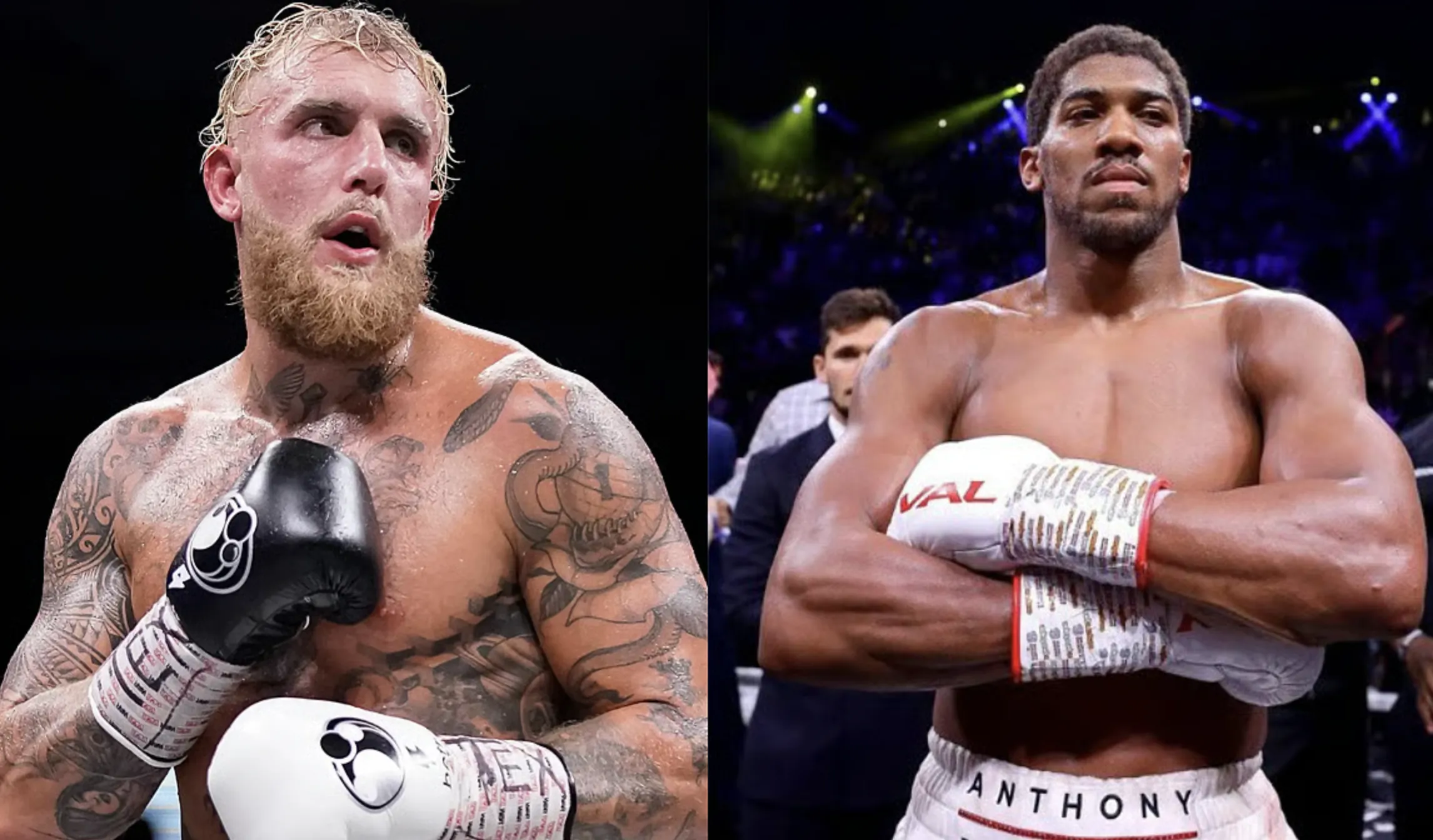
Joshua, for his part, navigated his brand with a mix of legacy seriousness and commercial savvy. He acknowledged the fight was “not his most successful performance,” yet he also recognized the opportunity it represented in reaffirming his relevance on the global stage.
Shifting Business Models in Boxing
This fight highlights several structural changes in how boxing will be packaged and sold:
1. Streaming as the New Pay-Per-View: The Netflix deal signals a pivot from traditional pricing structures to models where aggregate viewership matters more than single-event revenue. The upside — new subscribers and global exposure — may outweigh the downside of lower per-viewer prices.
2. Influencer Engines as Marketing Machines: Jake Paul’s value wasn’t just athletic; it was promotional. His ability to mobilize millions of followers turned boxing into a cultural event rather than a niche sporting contest.
3. Global Monetization vs. Local Taxation: Big payouts come with big tax surprises, as evidenced by Joshua’s reported multizone tax liabilities. Athletes and advisors now must plan global fight deals with as much care as multinational corporations.
What This Means for Boxing’s Future
The conversation around boxing’s commercial future will now hinge on platform value and audience engagement, not just champion names. Traditional promoters may find themselves renegotiating terms with streaming platforms that want ownership of direct-to-consumer distribution.
At the same time, purists fear dilution of competition if commercial value outweighs competitive parity in matchmaking. Yet business reality suggests that spectacle sells, and spectacle often requires creative crossovers.
For investors and rights holders, the takeaway is clear: boxing’s future lies at the intersection of sport, entertainment, technology and personality branding — and Netflix offered the blueprint.
Conclusion
The Joshua–Paul fight was not just another boxing event — it was a commercial experiment with historic implications. In redefining how boxing can be monetized, it demonstrated the power of streaming platforms, the unavoidable rise of influencer engines, and the economics of attention. In this new paradigm, the winner isn’t always the one with the championship belt — sometimes it’s the one who captures the world’s eyes.