From “Made in China” to “Autonomous by China”: Xiaomi’s Dark Factory Signals a New Era of Industrial Sovereignty

Xiaomi’s Dark Factory Signals a New Era of Industrial Sovereignty
Beijing – In a defining moment for global manufacturing, Chinese tech giant Xiaomi is pushing the boundaries of industrial automation with its so-called “dark factory,” a sprawling, fully automated production facility where robots and AI systems operate day and night without human intervention. While Western debates focus narrowly on job losses, the broader and more consequential story is China’s leap in precision, operational autonomy, and digital industrial control that could reshape competitive advantage in manufacturing for decades.
The Factory in Focus
According to multiple reports and corporate disclosures, Xiaomi’s smart factory occupies roughly 81,000 square meters and is built around a “lights-out” paradigm — literally no shop-floor lighting or human workers on the production line, as robotics, autonomous mobile vehicles and machine vision systems handle assembly, logistics, inspection and packaging.
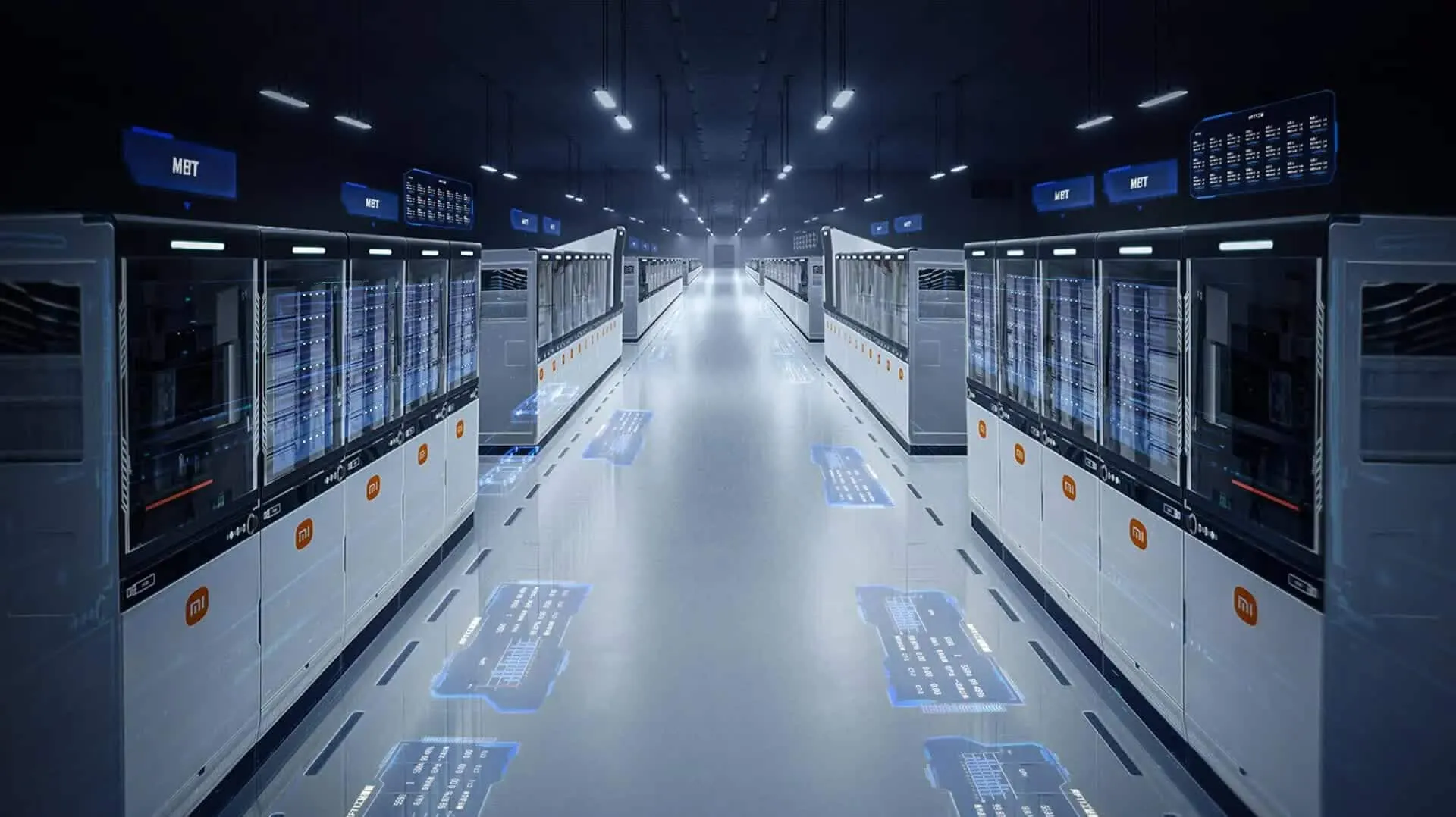
Central to the operation is Xiaomi’s proprietary Hyper Intelligent Manufacturing Platform (HyperIMP) — an integrated AI/ML-driven control system that monitors thousands of data points, predicts equipment faults, and dynamically adjusts operations to maintain throughput and quality. This approach goes beyond traditional programmable logic controllers toward a system that self-optimizes its production flows in real time.
While some mainstream reports broadly cite “one phone per second,” closer reporting suggests the facility’s practical annual capacity is in the 10–30 million unit range, depending on final throughput and models produced. Output claims vary across publications, some reporting a production cadence closer to one device every three seconds under current configurations.
What This Means for Manufacturing
For Xiaomi, the appeal is straightforward: drastically lower variable labor costs, tighter quality control, and uninterrupted production schedules. With no shift changes, lunch breaks, or safety constraints typical of human labor, the factory can theoretically run 24/7, year-round. Robots don’t tire; AI doesn’t clock out.
But the implications stretch well beyond Xiaomi’s balance sheet. China’s rapid rollout of “dark factories” feeds into a broader government and corporate strategy to dominate Industry 4.0 — the digitization and autonomous orchestration of industrial systems — giving the country both a technological and economic edge.
Efficiency as Sovereignty
In economic terms, efficiency has become a new form of sovereignty. Countries and companies that master AI-driven automation reduce unit costs, compress lead times, and lock in competitiveness. For China, this capability dovetails with national strategies to move up the value chain — from low-cost assembly to high-precision, high-data, high-value industrial platforms.
This isn’t merely about replacing workers with machines; it’s about embedding software and AI at the core of production intelligence. The result is not only faster and cheaper output but also massive data flows that can inform design, quality improvements and supply-chain decisions in ways unimaginable in traditional factories.
Job Displacement and Economic Realities
The automated factory model invites inevitable questions about employment. Job displacement in traditional roles — assemblers, line workers, logistics labor — is real and politically sensitive, especially in Western discourse that often frames automation as a direct threat to workers.
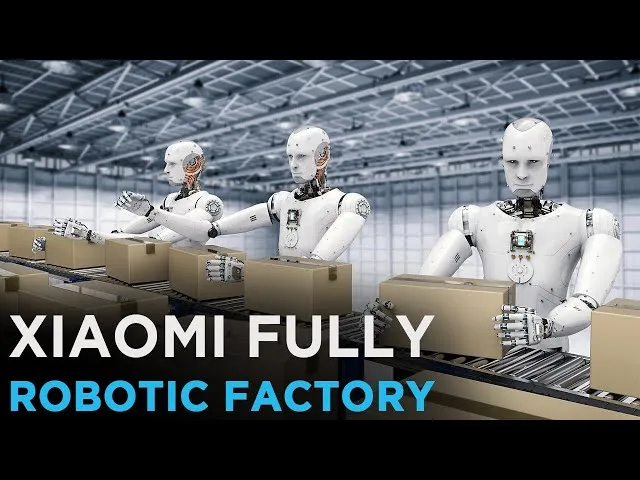
Yet history and economic research suggest a more nuanced outcome: automation often transforms labor rather than eliminates it entirely, creating demand for AI specialists, robotics engineers, maintenance technicians, and data analysts — roles that require different skill sets and educational backgrounds. Public policy, workforce retraining programs, and strategic investments will determine whether these opportunities offset displacement at scale.
Limitations and Hype
It’s also crucial to separate fact from hyperbole. Some online discussions note that claims such as “one phone per second” are averages rather than literal cycle times, and the term “AI” is sometimes applied loosely in marketing contexts. Achieving true, end-to-end autonomy — especially in final inspection and complex assembly — remains very challenging, and full replacement of human oversight is far from universal in manufacturing.
Still, even with conservative assumptions, the trend towards automation — particularly in China — is undeniable and accelerating.
A New World of Competitive Advantage
China’s automated manufacturing push reflects a broader strategic pivot. Instead of merely hosting low-cost labor for export production, Chinese firms are investing in digital infrastructure, robotics, AI platforms and industrial internet protocols that could become global standards. This shift challenges Western manufacturers to rethink competitiveness not just in terms of cost but in precision, resilience and autonomy.
As efficiency becomes a cornerstone of industrial sovereignty, companies and nations that fail to automate the mundane risk subsidizing their own obsolescence.