Aging in America: Why Income Drives Health, Outlook, and Retirement Prospects

How Income Shapes the Way Americans Experience Aging
Aging has always been a universal experience, but how Americans age is increasingly shaped by their income level. A new national survey highlights a stark truth: the economic divides present throughout life do not disappear in older adulthood—they often widen. The findings reveal that retirement expectations, day-to-day wellness, and overall life satisfaction are deeply intertwined with financial security, reshaping what it means to grow older in today’s America.
The Uneven Aging Experience
For higher-income older adults, aging is often associated with opportunity—time for travel, social connection, new hobbies, or personal reinvention. These individuals are significantly more likely to rate both their physical and mental health positively, suggesting that financial stability offers not just comfort but a meaningful buffer against the challenges of age.
In contrast, low-income adults often confront a different reality. Economic strain magnifies health challenges, limits access to medical care, and reduces the ability to participate in social or wellness-promoting activities. The result is a widening quality-of-life gap, in which financial constraints shape not only longevity but also the experience of living those later years.
Retirement Prospects Deepen the Divide
The new survey underscores a critical pressure point: retirement readiness is one of the clearest areas where income determines opportunity. Higher-income Americans approach retirement with confidence, buoyed by savings, pensions, or investment accounts. Lower-income individuals often anticipate working longer out of necessity—not choice—raising concerns about long-term well-being and resilience.
This divide is not simply financial; it affects emotional well-being, stress levels, and perceptions of aging itself. When retirement feels out of reach, the process of growing older can feel like a burden rather than a milestone.

Why These Findings Matter Now
The significance of this research extends far beyond describing disparities—it challenges how we think about aging policy, community support, and public health.
1. Aging Is No Longer a Uniform Narrative
The findings reinforce that aging in America is not a single story. Instead, it reflects the intersection of lifelong economic factors, access to care, and accumulated opportunity. Recognizing this prevents oversimplifying the challenges older adults face.
2. Health Is Deeply Linked to Income—Even in Later Life
The strong correlation between income and self-reported wellness underscores how social determinants of health continue influencing people well past retirement age. This insight has major implications for healthcare planning, preventive services, and community health strategies.
3. Retirement Security Is Becoming a Public Health Issue
When large segments of older adults cannot retire comfortably, the strain affects mental health, physical well-being, intergenerational families, and even the broader economy. The survey highlights the urgency of strengthening retirement systems and addressing long-standing inequities.
4. A Call for Rethinking Support Structures
From affordable housing to community-based health programs, the data invites a re-evaluation of how society supports an aging population—especially those most at risk of poor outcomes.
In Summary
For readers encountering this issue for the first time, the takeaway is simple but profound: aging is not just a biological process—it’s a socioeconomic one. Income shapes access to healthcare, the ability to rest, the freedom to enjoy later life, and even how people perceive their own aging journey.
The survey’s findings are not just statistics; they reflect real people navigating deeply unequal pathways into older adulthood. As America’s population ages faster than ever, understanding these disparities is critical for building more equitable systems—so that aging can be a dignified, healthy, and fulfilling experience for everyone, regardless of income.
You may Also Like
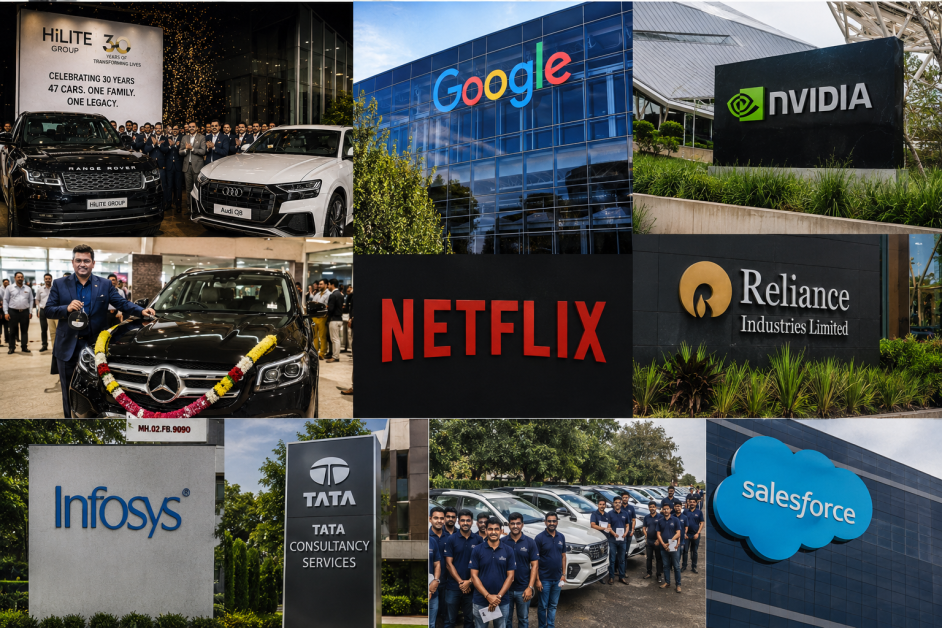
HiLITE Group’s ₹20 Crore Employee Car Gifts Put Kerala Firm Alongside Google, NVIDIA and Reliance

Trump’s China Visit 2026: Xi Summit, AI Talks, Taiwan Tensions and Top CEOs in Beijing