10 Private Islands Owned by Billionaires That Redefine Luxury Living
Inside the Billionaire Mindset: What Jesse James West’s Videos Reveal About Private Island Living
In recent months, Jesse James West’s YouTube channel has offered something rare: an unfiltered glimpse into spaces most people will never encounter. From ultra-private gyms to nine-figure homes, his content has become an accidental study in modern wealth. His latest visit to Richard Branson’s Necker Island marks a turning point — not just showcasing luxury, but revealing how billionaires design entire worlds for themselves.
What emerges from these videos is not excess for excess’s sake, but intentional living at an unprecedented scale. For the ultra-wealthy, the private island is no longer a novelty; it is the ultimate architectural statement — one that merges landscape, sustainability, privacy, and legacy.
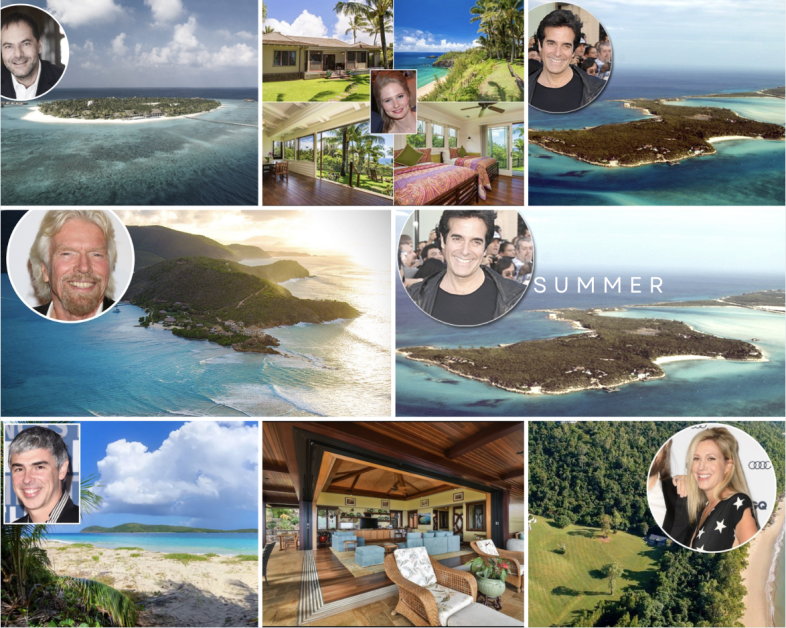
Below, inspired by this renewed cultural fascination with billionaire access, we explore ten private islands owned by billionaires, examining their architecture, amenities, origins of wealth, and the deeply personal possessions that define life on these secluded estates.
1. Necker Island — Richard Branson
British Virgin Islands
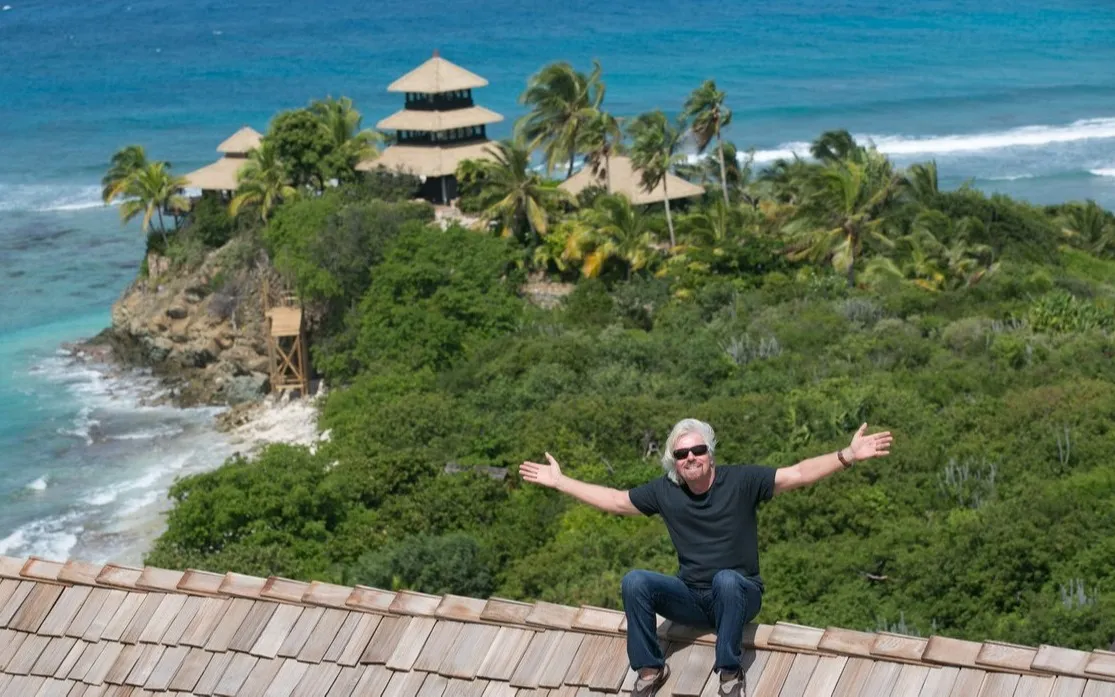
Few private islands are as instantly recognizable as Necker Island. Purchased by Richard Branson in the 1970s for a then-modest sum, the island has since evolved into a masterclass in resort-style residential architecture.
Balinese-inspired villas sit lightly atop the terrain, their open-plan designs dissolving boundaries between indoors and out. Natural materials — stone, reclaimed timber, thatched roofs — dominate, creating a sense of barefoot luxury that feels intentional rather than ornamental.
Branson’s journey from a dyslexic school dropout to founder of the Virgin Group is well documented, and Necker Island reflects that ethos: playful, social, and deeply experiential. Beyond its tennis courts, spas, and infinity pools, the island serves as a gathering space for global leaders, entrepreneurs, and creatives.
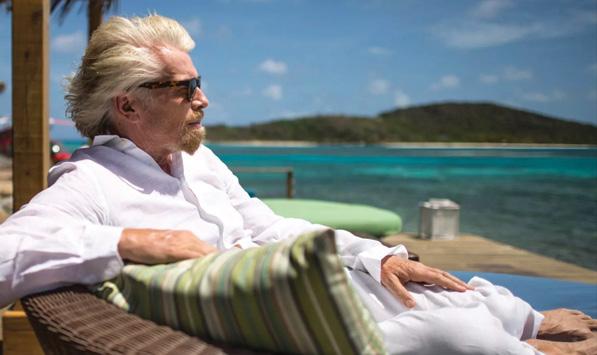
Signature possessions: private yachts, seaplanes, and curated wildlife sanctuaries that reflect Branson’s lifelong interest in conservation.
2. Lānaʻi — Larry Ellison
Hawaii
Larry Ellison’s ownership of nearly the entire island of Lānaʻi represents something altogether different: infrastructure as architecture. Rather than a singular estate, Lānaʻi functions as a living laboratory for sustainability-driven luxury.
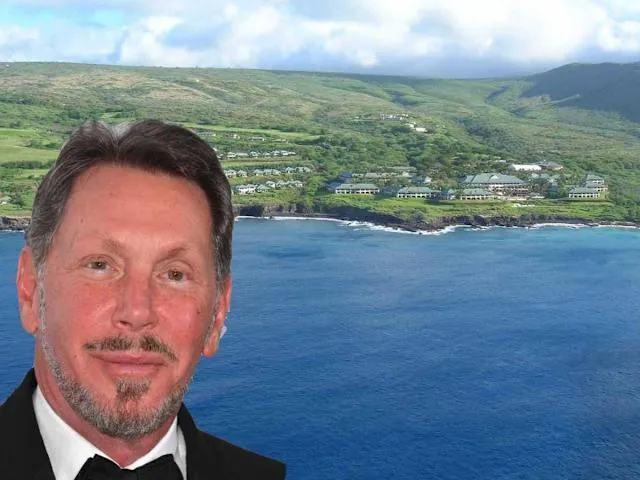
Ellison, who grew up with limited means and taught himself computer science before founding Oracle, has approached the island with a technologist’s mindset. Solar arrays, water recycling systems, organic farms, and high-end hospitality coexist seamlessly.
The island’s architecture is restrained, favoring modern Hawaiian vernacular over ostentation. Resorts, residences, and community spaces emphasize wellness, privacy, and environmental integration.

Signature possessions: helicopter fleets, championship golf courses, and one of the most technologically advanced private sustainability systems in the world.
3. Musha Cay — David Copperfield
Bahamas
Musha Cay is less a residence and more a theatrical stage, befitting its owner. David Copperfield, who rose from a modest upbringing to become the highest-paid magician in history, has transformed this Bahamian island into an immersive experience.
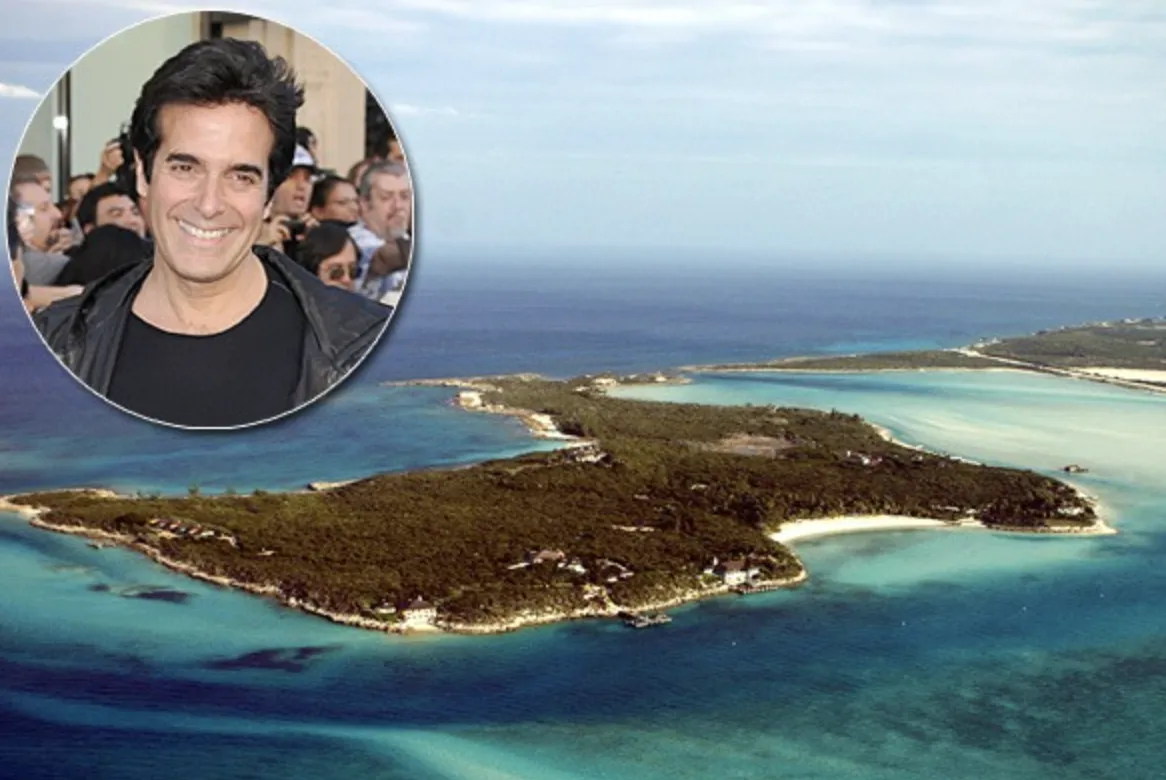
Each pavilion is designed for complete privacy, with architecture that blends Caribbean colonial influences with modern luxury. Guests encounter curated moments — treasure hunts, fire-lit beach dinners, and custom-built performance spaces.
Signature possessions: private illusion theaters, rare magical artifacts, and hidden architectural surprises designed to evoke wonder.
4. Skorpios — Ekaterina Rybolovleva
Greece
Once the private retreat of Aristotle Onassis, Skorpios carries an undeniable historical weight. Now owned by Ekaterina Rybolovleva, the island is being thoughtfully reimagined for a new era of discreet luxury.
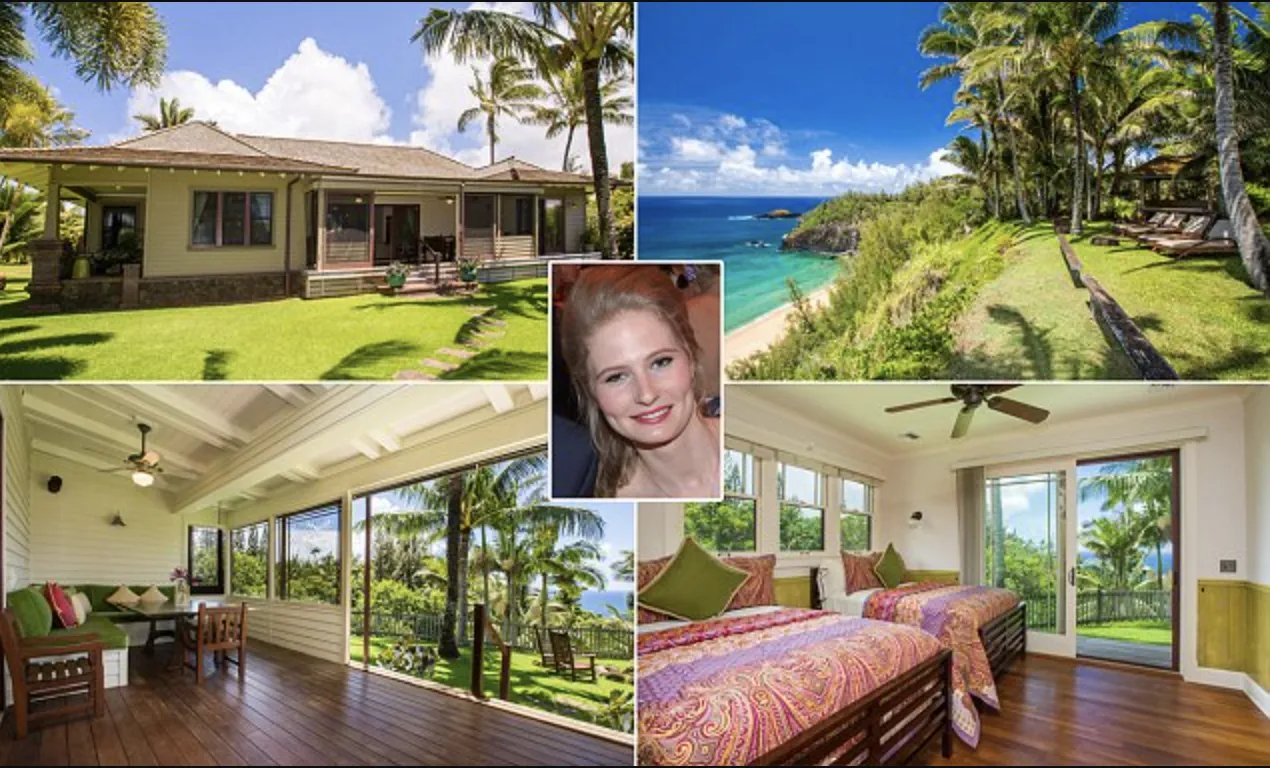
Plans emphasize low-density development, spa-focused architecture, and ecological sensitivity. The island’s structures are designed to recede into the landscape, allowing olive groves, coastline, and sea views to dominate.
Signature possessions: mega yachts, equestrian facilities, and curated art collections reflective of European aristocratic tastes.
5. Velaa Private Island — Jiří Šmejc
Maldives
Velaa Private Island is architectural minimalism taken to its zenith. Overwater villas float above crystalline lagoons, their clean lines and muted palettes allowing the ocean to remain the focal point.
Jiří Šmejc, who built his fortune through strategic investments in Central Europe, envisioned Velaa as a sanctuary of controlled perfection. Every element — from the private golf academy to the underwater dining spaces — is meticulously orchestrated.

Signature possessions: bespoke art commissions, rare wines, and one-of-a-kind design objects integrated directly into the architecture.
6. Mosquito Island — Richard Branson
British Virgin Islands
Less public than Necker, Mosquito Island offers a more introspective counterpart. Private estates are scattered across the landscape, designed for solitude rather than spectacle.
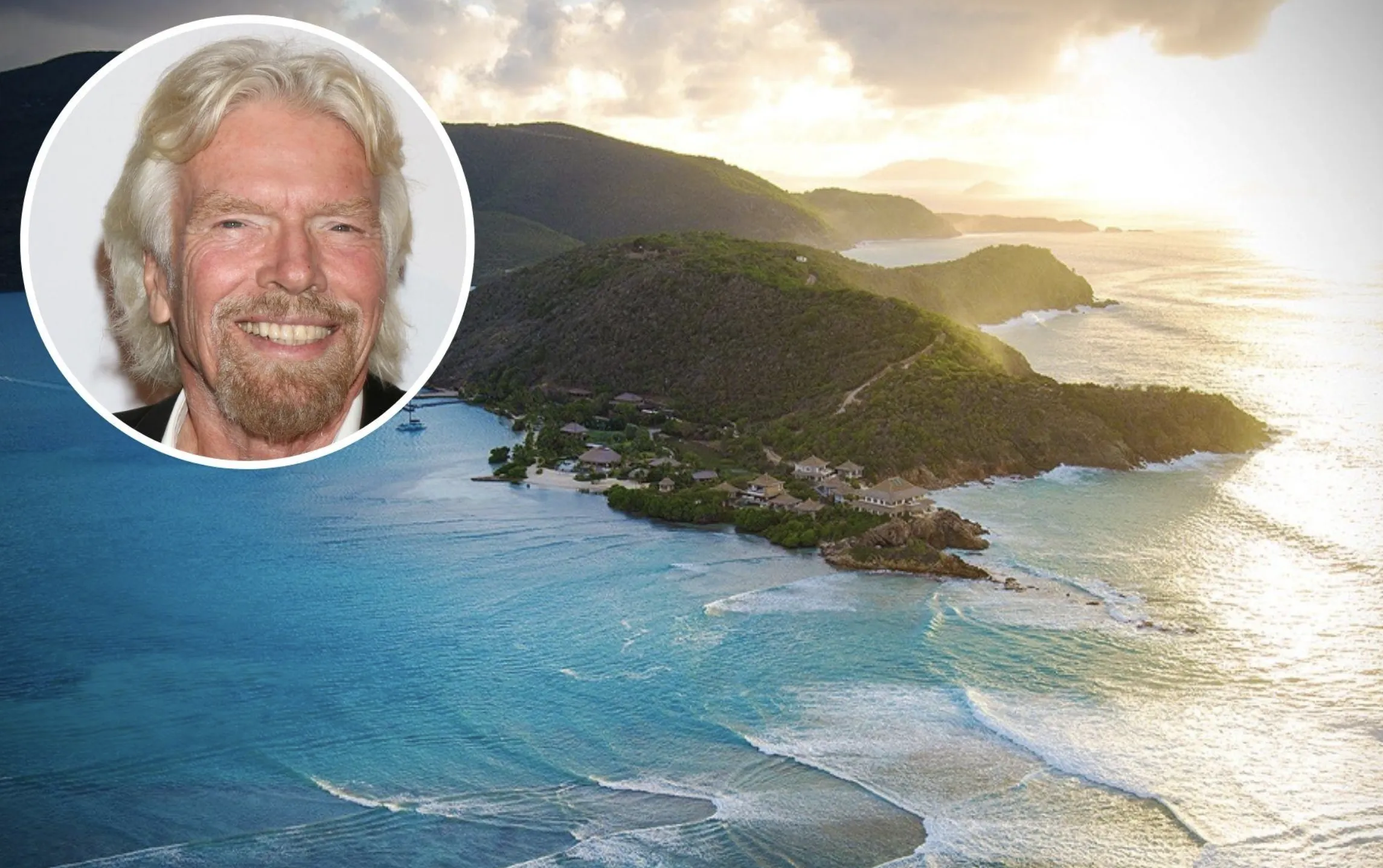
Sustainability drives the architectural narrative, with off-grid systems and minimal visual disruption.
7. Bell Island — Aga Khan IV
Bahamas
Bell Island exemplifies understated elegance. Development is minimal, favoring vast open spaces and marine access over architectural dominance.
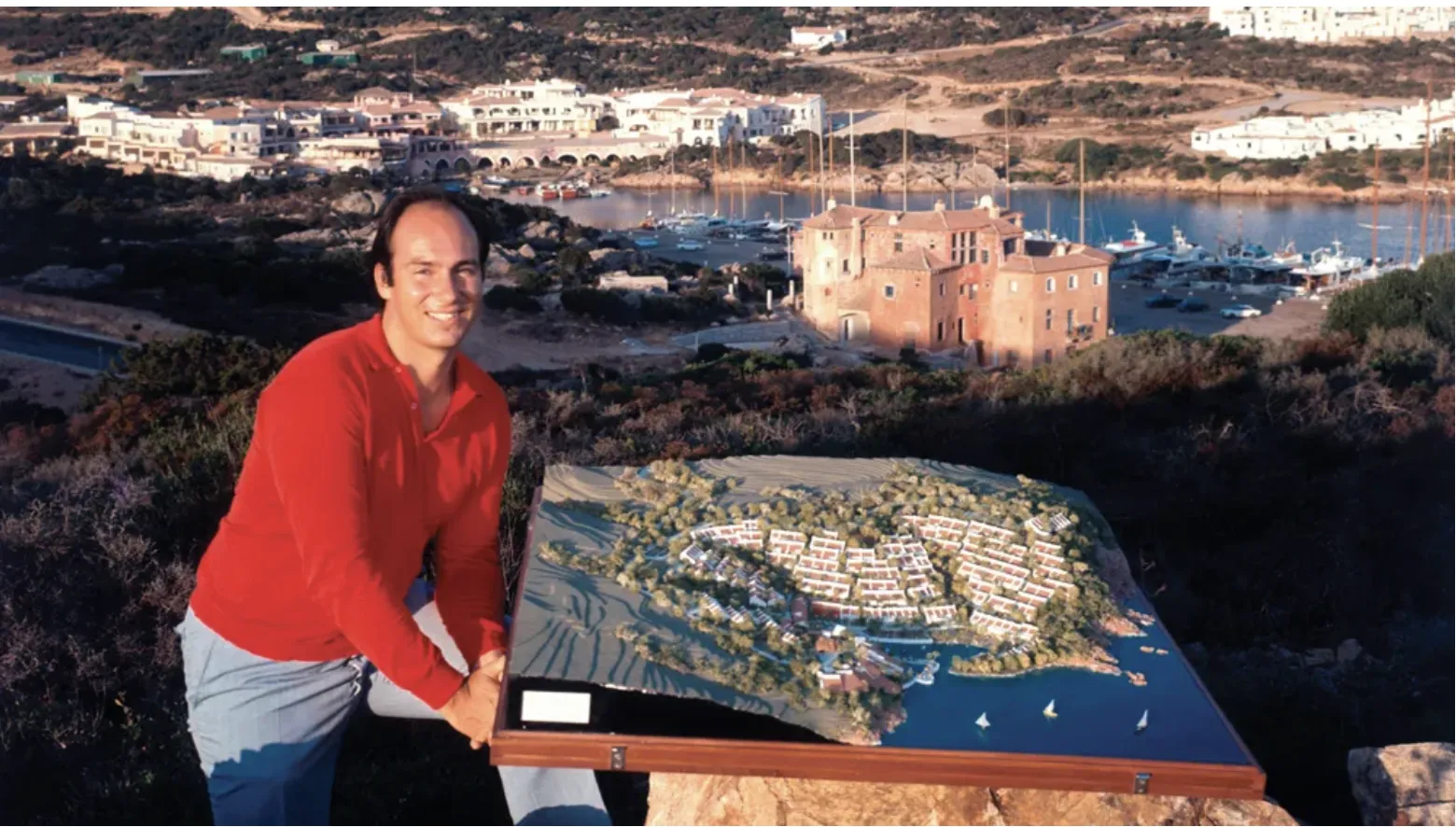
The Aga Khan’s wealth, rooted in both inheritance and global philanthropy, manifests here as restraint rather than indulgence.
8. Dunk Island — Mike Cannon-Brookes
Australia
Purchased by Atlassian co-founder Mike Cannon-Brookes, Dunk Island is being reimagined as an eco-conscious retreat. Architecture emphasizes resilience, renewable energy, and integration with the surrounding reef ecosystem.
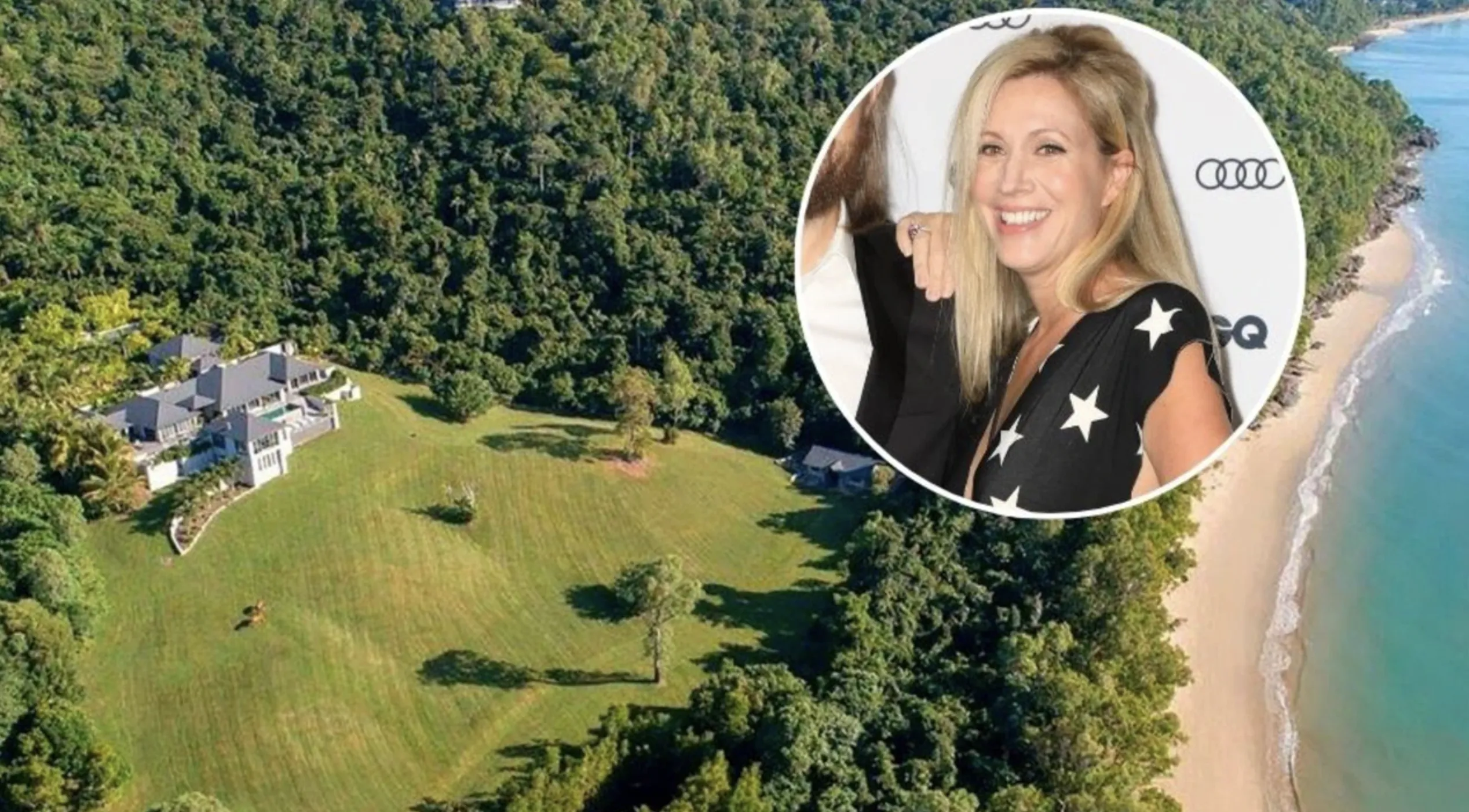
Cannon-Brookes’ journey from student entrepreneur to tech billionaire is mirrored in the island’s forward-thinking design philosophy.
9. Great St. James Island — Stephen Deckoff
U.S. Virgin Islands
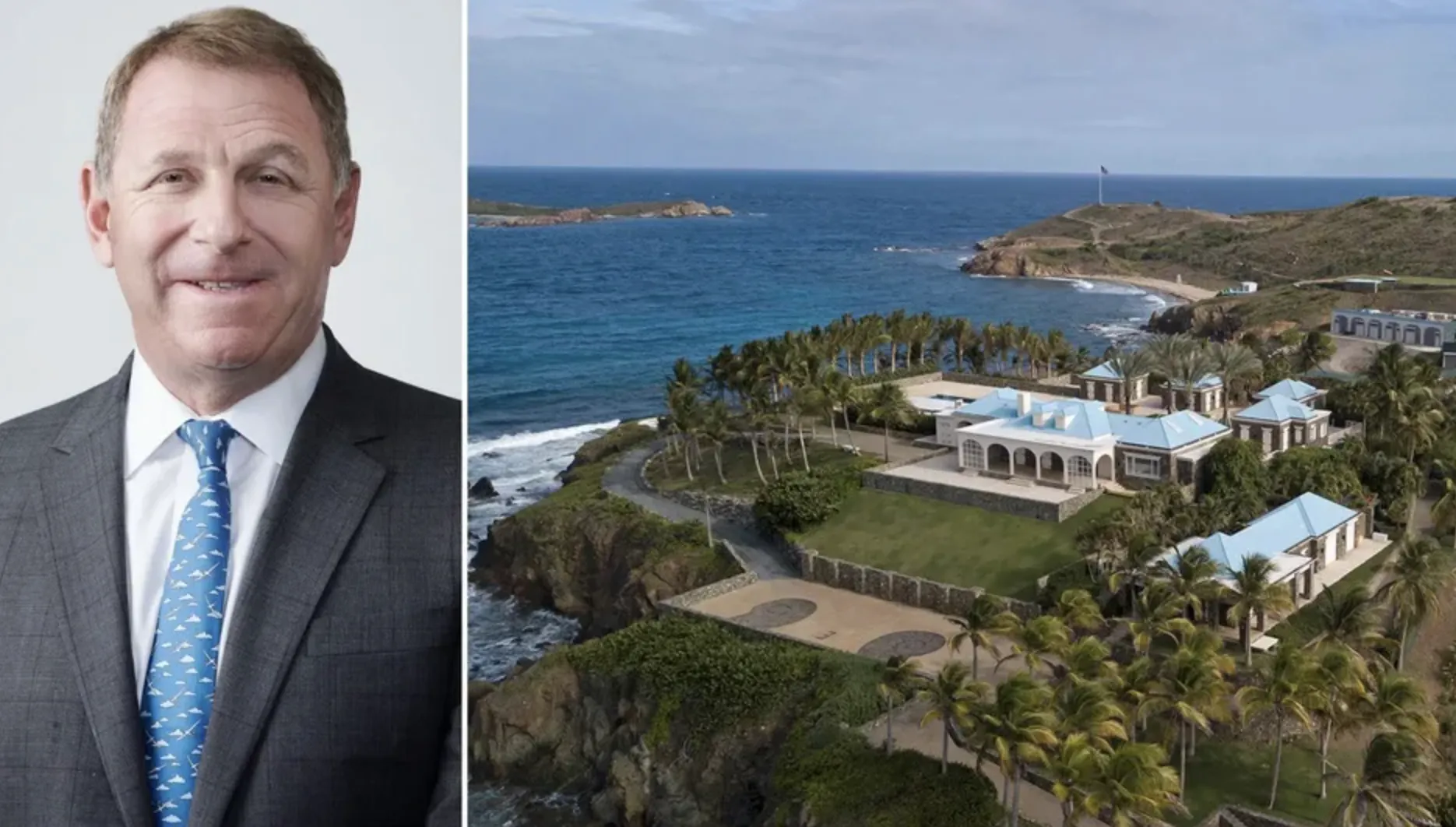
Here, architecture serves security and privacy above all else. Low-profile structures, private marinas, and controlled access points define the island’s built environment.
10. Hans Lollik & Cayo Norte — Larry Page
Caribbean
Larry Page’s islands function less as homes and more as think spaces. Architecture is sparse, designed to support uninterrupted work, experimentation, and reflection.
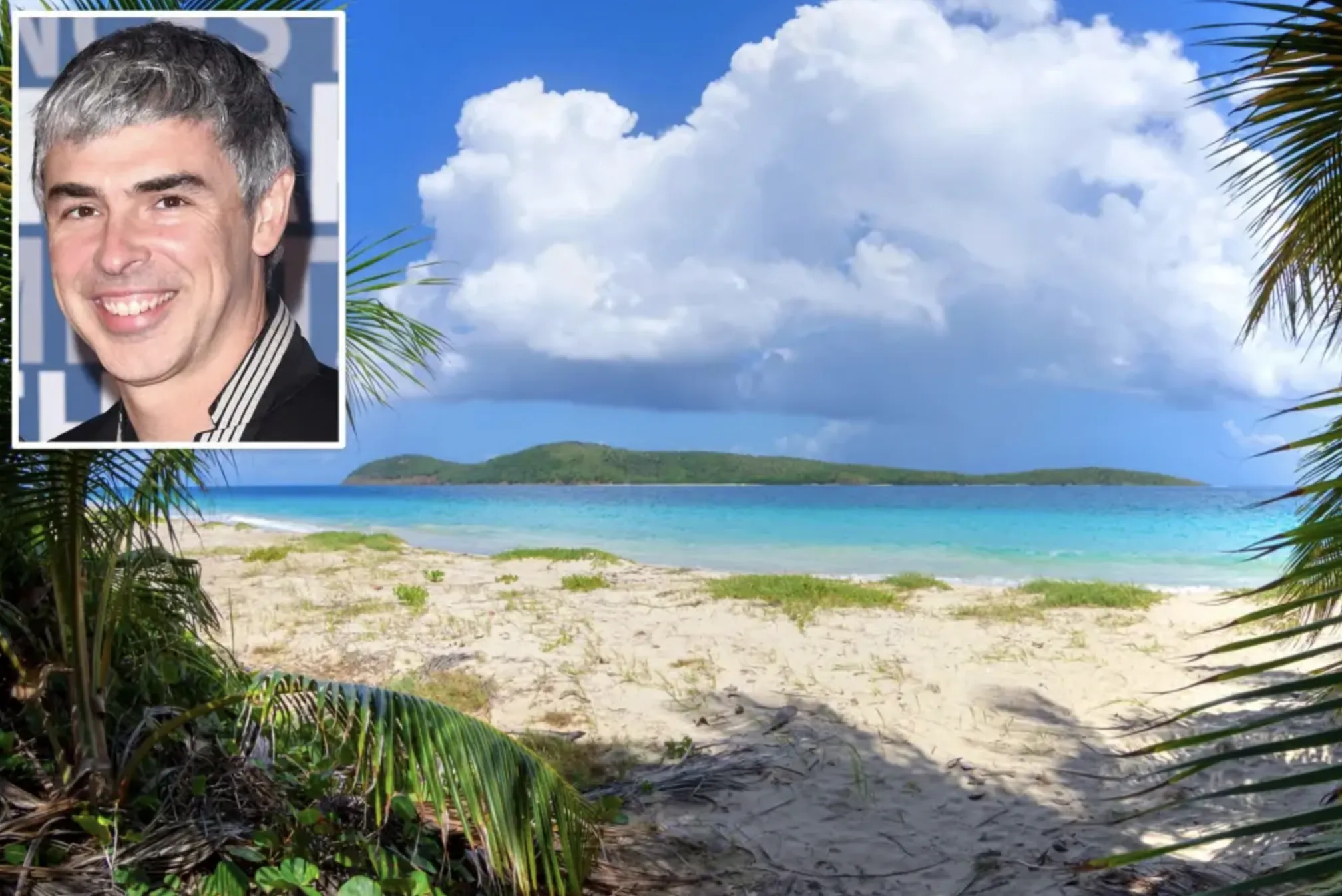
High-speed connectivity, renewable infrastructure, and marine conservation dominate the planning.
A New Definition of Luxury
What Jesse James West’s videos inadvertently capture — and what these islands confirm — is that modern luxury has evolved. It is no longer about ornamentation, but ownership of space, time, and silence.
Private islands are not escapes from reality.
They are carefully designed realities of their own.
And in that sense, they are perhaps the most revealing architectural statements of our time.
You may Also Like

Trump’s China Visit 2026: Xi Summit, AI Talks, Taiwan Tensions and Top CEOs in Beijing

Understanding a Rally Stock: How Triveni surprised Investors